Key takeaways
- Recline geometry: A “lay flat” mechanism that approaches horizontal, or a zero-gravity position that lifts your knees above your heart, reduces lumbar compression and takes pressure off the diaphragm. Deep-but-not-flat recliners force a slouch that restricts breathing — the fastest way to wake up stiff.
- Independent power headrests: This is the single most overlooked feature. Your head should stay neutral, not pitched forward. Adjustable headrests let you fine-tune neck angle for reading versus dozing, which is the difference between a refreshing nap and a morning of trapezius knots.
- Upholstery breathability: Core body temperature needs to fall slightly for sleep to begin. Genuine or top-grain leather sheds heat better than dense vinyl; if you run warm, favor perforated or breathable-finish materials and skip heavy synthetic wraps.
- Light discipline: LED accents and reading lamps are useful only if they’re warm-toned and separately switchable. Cool blue light within two hours of bed suppresses melatonin, so look for dimmable or amber lighting you can kill without unplugging the whole unit.
- Wall clearance and motor noise: Wall-hugger designs recline within a few inches of the wall — essential for apartments, RVs, and small dens. Also check that the motor is quiet; a loud actuator jolts a half-asleep person fully awake.
What's inside
Most people shop for a reclining loveseat the way they shop for a coffee table — by looks, footprint, and price. Then, six months later, they realize the truth: that loveseat has quietly become the single most-used piece of sleep furniture in the house. Evening naps land there. Post-dinner drowsiness lands there. On rough nights, an aching back or a partner’s snoring sends someone there at 2 a.m. From a sleep-wellness standpoint, that matters, because a chair that lets you drift off in a folded, unsupported position teaches your body all the wrong lessons about rest — shallow breathing, neck strain, and a groggy wake-up that bleeds into the next day.
This guide looks at 2026’s best power reclining loveseats through that lens: how flat they actually lay, whether the headrest supports your cervical spine instead of shoving your chin toward your chest, how much heat the upholstery traps, and whether the built-in tech helps you wind down or lights up your living room like a runway at midnight. Below you’ll find the current standouts, followed by a buyer’s checklist, short expert notes on each pick, and answers to the questions I hear most from clients trying to build a genuinely restorative evening routine.
As an Amazon Associate we earn from qualifying purchases.




🛒 Best Price Today on Amazon
Prime members get fast, free shipping on everything above, plus member-only deals. New members get a 30-day free trial — cancel anytime.
How to Choose a Power Reclining Loveseat (2026)
- Recline geometry: A “lay flat” mechanism that approaches horizontal, or a zero-gravity position that lifts your knees above your heart, reduces lumbar compression and takes pressure off the diaphragm. Deep-but-not-flat recliners force a slouch that restricts breathing — the fastest way to wake up stiff.
- Independent power headrests: This is the single most overlooked feature. Your head should stay neutral, not pitched forward. Adjustable headrests let you fine-tune neck angle for reading versus dozing, which is the difference between a refreshing nap and a morning of trapezius knots.
- Upholstery breathability: Core body temperature needs to fall slightly for sleep to begin. Genuine or top-grain leather sheds heat better than dense vinyl; if you run warm, favor perforated or breathable-finish materials and skip heavy synthetic wraps.
- Light discipline: LED accents and reading lamps are useful only if they’re warm-toned and separately switchable. Cool blue light within two hours of bed suppresses melatonin, so look for dimmable or amber lighting you can kill without unplugging the whole unit.
- Wall clearance and motor noise: Wall-hugger designs recline within a few inches of the wall — essential for apartments, RVs, and small dens. Also check that the motor is quiet; a loud actuator jolts a half-asleep person fully awake.
The Best Power Reclining Loveseats (2026), Reviewed
Watson & Whitely Genuine Leather Lay Flat Power Reclining Loveseat
This is my first recommendation for anyone who actually falls asleep in their loveseat: the near-flat recline plus adjustable power headrests produces a neutral spine and open airway rather than a taco-shaped compromise. Genuine leather also breathes far better than coated alternatives, which keeps night sweats in check.
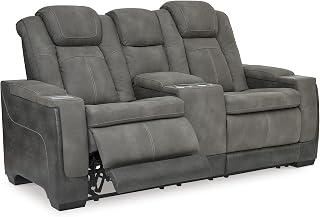
Signature Design by Ashley Power Reclining Loveseat with Console
The zero-gravity position here is the standout — elevating the legs above the heart eases venous return and settles restless legs, a common complaint in people who sit for long workdays. Water-resistant Durapella and the Easy View headrest make it a practical family pick that still supports genuine rest.
Signature Design by Ashley Boyington Power Reclining Loveseat
Heat and air massage aren’t gimmicks when used correctly: ten to fifteen minutes of gentle warmth before bed encourages the peripheral vasodilation that precedes sleep onset. Just switch the heat off before you doze, since sleeping on a heated surface can fragment deeper sleep stages.
Power Reclining Sofa Set with LED Reading Light and Storage Drawer
The best-value option if you’re furnishing a whole room, and the dedicated reading light is smarter than overhead lighting for evening wind-down — a small pool of warm light signals the brain that the day is closing. Bluetooth speakers are a bonus for low-volume white noise or a sleep podcast.
RV Loveseat Recliner Wall Hugger
Purpose-built for tight footprints, with removable armrests and hidden storage that let you reclaim inches in an RV, guest room, or narrow den. The wall-hugger mechanism means you get full recline without the awkward mid-room float that ruins small-space layouts.
Frequently Asked Questions
Is sleeping in a power recliner bad for you?
Occasionally, no — and for people with acid reflux, sleep apnea, or post-surgical recovery, a slight incline can genuinely help. The caveat is support: sleep only in a near-flat or zero-gravity position with the headrest set neutral, and avoid making it your permanent bed.
Do massage and heat features actually improve sleep?
Indirectly, yes. Warmth and light massage lower muscular tension and nudge your body toward its natural pre-sleep temperature drop. Use them as a pre-sleep ritual, not an all-night setting.
Leather or faux leather for a bedroom-adjacent space?
Leather regulates temperature better and ages gracefully; faux leather wins on cleanability and price. If someone in your household sleeps hot, prioritize the more breathable material.
How much wall clearance do I need?
Standard power recliners want six to twelve inches behind them, while wall-hugger models often need three to four. Measure before you buy — a blocked recline is the top reason these end up unused.
Final Thoughts
If restorative rest is your priority, the Watson & Whitely lay-flat leather loveseat is the strongest all-around choice thanks to its near-horizontal recline and adjustable headrests. The Ashley Power Reclining Loveseat with Console is the better everyday pick for families who want zero-gravity comfort with easy-clean upholstery, while the Ashley Boyington earns its place if you want heat and massage built into a nightly wind-down routine.