
Key takeaways
- Recommended Uses For Product: Indoor
- Material: Metal
- Handle Material: Aluminum
The cheapest exercise bike I ever owned wobbled so badly on a hardwood floor that my downstairs neighbor knocked on the door twice. The most expensive one we’ve compared cost more than my first car’s transmission rebuild and still needed a subscription to feel worth it. Somewhere between those two extremes sits the bike that actually belongs in your spare bedroom — and finding it comes down to three unglamorous questions: how the resistance is applied, how quiet the drivetrain is, and whether you’ll still climb on it when nobody’s watching.
Prices for home cycles now stretch from roughly $250 to well past $2,400, and the gap isn’t mostly about pedaling quality. It’s about screens, streaming ecosystems, incline motors, and how finely you can dial resistance. A $300 friction-brake spin bike and a $2,500 connected bike can both give you a punishing 45-minute interval session. What separates them is how much the machine does to keep you interested. Below are six bikes that cover realistic budgets and body types, followed by a buying framework that should save you from the wobble-and-knock phase entirely.
Our top picks
 YOSUDA Exercise Bike
- Recommended Uses For Product: Indoor
- Material: Metal
- Handle Material: Aluminum
 MERACH Exercise Bike
- Recommended Uses For Product: Body Shaping, Indoor, Weight Loss
- Material: Alloy Steel
- Handle Material: Rubber
 Exercise Bike
- Power Source: Battery Powered
- Recommended Uses For Product: Indoor
- Material: Alloy Steel
| Product | Key specs | |
|---|---|---|
| YOSUDA Exercise Bike | Recommended Uses For Product: Indoor Material: Metal Handle Material: Aluminum | Check price |
| MERACH Exercise Bike | Recommended Uses For Product: Body Shaping, Indoor, Weight Loss Material: Alloy Steel Handle Material: Rubber | Check price |
| Exercise Bike | Power Source: Battery Powered Recommended Uses For Product: Indoor Material: Alloy Steel | Check price |
 Recumbent Exercise Bike for Home Use Recumbent Exercise Bike for Home Use | Power Source: Pedal-powered (non-electric) Recommended Uses For Product: Indoor Material: Metal | Check price |
 Exercise Bike Exercise Bike | Recommended Uses For Product: Indoor & Home Gym Material: Alloy Steel Power Source: Battery Powered | Check price |
 NEWBULIG Exercise Bike with APP NEWBULIG Exercise Bike with APP | Recommended Uses For Product: Indoor Power Source: Battery Powered Resistance Mechanism: Magnetic | Check price |
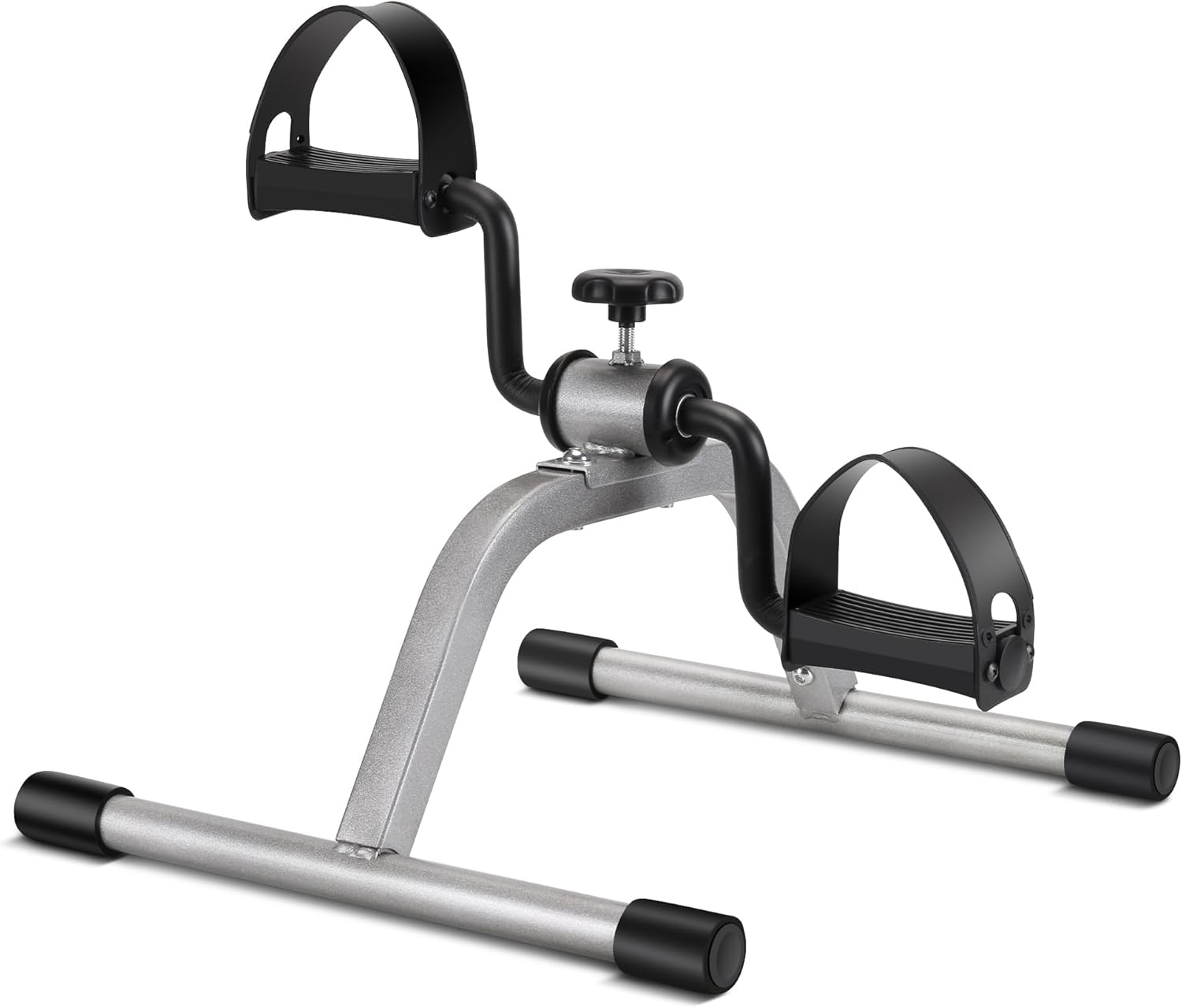 RYGEO Pedal Exerciser Mini Exercise Bike for RYGEO Pedal Exerciser Mini Exercise Bike for | Controls Type: Knob Handle Type: handlebar Number of Resistance Levels: 5 | Check price |
 pooboo Folding Exercise Bike pooboo Folding Exercise Bike | 【4-IN-1 Folding Exercise Bike for Home Workouts】Upright mode… 【Bottle Holder】A bottle holder is included with this… 【Compact Design & Easy to Move】This folding exercise… | Check price |
As an Amazon Associate we earn from qualifying purchases at no extra cost to you.
As an Amazon Associate we earn from qualifying purchases.
Quick Comparison
| Model | Best For | Resistance Type | Flywheel | Screen / App | Approx. Price |
|---|---|---|---|---|---|
| YOSUDA Indoor Cycling Bike | First-time buyers on a tight budget | Friction (felt pad) | ~35 lb | Basic LCD + tablet holder | $250–$320 |
| Sunny Health & Fitness SF-B1002 | Heavy standing sprints, no frills | Friction (felt pad) | ~49 lb chrome | None | $300–$400 |
| Schwinn IC4 | Best overall value | Magnetic, 100 micro-levels | ~40 lb | Bluetooth to third-party apps | $700–$900 |
| Echelon Connect EX-5s | Class junkies who want a screen | Magnetic, 32 levels | Weighted, belt drive | 22″ built-in display | $1,200–$1,600 |
| Peloton Bike+ | Instructor-led motivation | Magnetic, auto-adjusting | Weighted, belt drive | 24″ rotating touchscreen | ~$2,495 |
| Schwinn 270 Recumbent | Bad knees, back pain, seniors | Magnetic, 25 levels | Perimeter-weighted | Dual LCD + Bluetooth | $700–$900 |
How to Choose
- Match the frame to your posture, not your ambition. Upright spin bikes put you in an aggressive forward lean that rewards core strength and punishes stiff hips. Recumbent bikes support the lower back and let you read or watch TV. If you have disc issues or limited hip mobility, the recumbent isn’t the lesser choice — it’s the one you’ll actually use.
- Prefer magnetic resistance if you can afford it. Felt pads work fine and cost little, but they wear down, squeak when damp, and offer no repeatable numbers. Magnetic systems are silent, maintenance-free, and let you return to “level 14” months later and know it means the same thing.
- Check the weight capacity and the seat post range before anything else. Budget bikes often cap out near 270–300 lb, and inseams under 28″ or over 36″ get squeezed out. A bike that doesn’t fit is a $300 clothes rack.
- Decide about subscriptions before you buy the hardware. A screen-equipped bike without an active membership loses most of its value. Budget the recurring cost — often $12 to $44 monthly — as part of the purchase price, or buy a Bluetooth-capable bike and pair it with a cheaper app.
- Measure the room, then add clearance. Most bikes need roughly a 4′ × 2′ footprint plus a foot of standing room on each side for mounting and towel-flailing. Note whether the transport wheels actually roll on carpet before you plan on tucking it into a closet.
Top Picks Reviewed
YOSUDA Indoor Cycling Bike — Best Under $300
This is the bike I recommend to people who aren’t yet sure they’ll stick with cycling. The roughly 35-pound flywheel and belt drive are quiet enough for an apartment, the four-way adjustable seat fits a surprising range of riders, and assembly takes about half an hour with the included tools. The LCD console tracks time, distance, speed, and calories with generous optimism, and the tablet shelf covers your streaming needs. Downsides: the felt brake pad is a wear item, and the stock saddle is punishing past twenty minutes. Budget $30 for a gel cover.
Sunny Health & Fitness SF-B1002 — Best Heavy Flywheel on a Budget
The 49-pound chrome flywheel is the headline here, and it changes how the bike feels. Momentum carries you smoothly through the dead spot at the top of each pedal stroke, which matters enormously if you like standing climbs. The steel frame is genuinely stable, and there’s no console to break — you bring your own phone and app. Chain drive means it’s louder than belt-driven rivals and needs occasional lubrication. Buy this if you want mechanical durability over data.
Schwinn IC4 — Best Overall Value
The IC4 is the sweet spot of the category. Magnetic resistance with 100 micro-adjustable levels gives you fine control without a subscription lock-in, and Bluetooth broadcasting means you can ride with Zwift, Peloton’s app on a tablet, or Kinomap — your choice, switchable anytime. Dual-sided pedals accept both toe cages and clipless SPD cleats, the small dumbbell set and tablet holder are included, and the tilting console is legible mid-effort. There’s no built-in screen, which is exactly why it stays useful as apps come and go.
Echelon Connect EX-5s — Best Screen Without Peloton Money
If a big display is what gets you on the bike, the EX-5s delivers a 22-inch panel and a deep on-demand class library for meaningfully less than the category leader. Thirty-two magnetic resistance levels cover everything from recovery spins to standing sprints, the belt drive is nearly silent, and the handlebars are broad enough for comfortable forearm rests during long endurance rides. The catch is ecosystem dependence: without a membership the screen becomes decorative, and the class production values sit a notch below the competition.
Peloton Bike+ — Best Connected Experience
Nothing else matches the instructor coaching and community pull. The 24-inch touchscreen rotates a full 180 degrees for floor workouts, Auto-Follow adjusts resistance to match the instructor so you can stop fiddling mid-interval, and the calibration is consistent enough that your output numbers mean something week to week. It’s expensive, the membership is mandatory for the good stuff, and the delivery-and-assembly experience is a commitment. But adherence data is brutally clear: people ride these more often, for longer.
Schwinn 270 Recumbent — Best for Joint Pain and Rehab
The step-through frame and supportive seat back make this the pick for anyone recovering from surgery, managing arthritis, or simply unwilling to perch on a racing saddle. Twenty-five magnetic resistance levels and a deep library of built-in programs cover progressive rehab work, and dual displays plus Bluetooth export keep your data organized. The ventilated seat resists the sweaty-back problem common to recumbents. It’s bulky and won’t tuck away, so plan for a permanent spot.
Frequently Asked Questions
Do I need a subscription to use these bikes?
Only the screen-equipped models require one for full function. The YOSUDA, SF-B1002, IC4, and Schwinn 270 all work perfectly as standalone machines. If you want structured classes on those, free options like the Peloton app trial tier or one-time-purchase apps such as Kinomap give you most of the benefit for a fraction of the cost.
How much noise will my neighbors hear?
Belt-driven magnetic bikes are the quietest — quiet enough for late-night sessions in an apartment. Chain-driven models add a mechanical hum, and any bike transmits vibration through hard floors. A dense rubber mat under the frame solves most complaints and also protects your flooring from sweat corrosion.
What’s the real difference between friction and magnetic resistance?
Friction brakes press a pad against the flywheel, creating heat, wear, and gradual inconsistency. Magnetic systems move magnets closer to the flywheel with no contact at all, which means no wear parts, no noise, and repeatable numbered levels you can trust across workouts. Magnetic costs more upfront and saves money over years of use.
How long before a home bike pays for itself?
Against a $50 monthly gym membership, a $300 bike breaks even in about six months and an $800 bike in roughly sixteen. The larger saving is time: eliminating a 20-minute round trip makes short sessions viable, and short sessions you actually do beat long ones you skip.
Final Thoughts
Buy for the version of yourself who is tired, unmotivated, and short on time — not the one who just watched a cycling documentary. If that person needs an instructor shouting encouragement, the Bike+ or EX-5s earns its price. If that person just needs a stable machine and a podcast, the Schwinn IC4 is the smartest money in the category, and the YOSUDA gets you riding tomorrow for the cost of two months at a gym. Whatever you choose, set it up somewhere you walk past daily. Visibility beats willpower.
Best Electric Unicycles for Commuting and Fun
The best electric unicycles for commuting are usually the InMotion V11Y or...
Best Ski Erg Machines for Home Cardio
Best Ski Erg Machines for Home Cardio: Quick Picks by Room and...
Best Premium Carbon Fiber Road Bikes for Serious Cyclists
The best premium carbon fiber road bikes for serious cyclists are the...
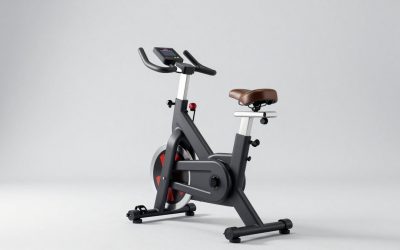
Best Mini Exercise Bikes for Seniors
The best mini exercise bikes for seniors are low-profile pedal exercisers with...
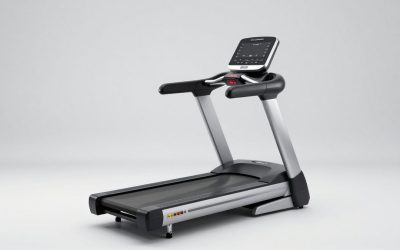
Best High-End Incline Treadmills for Intense Workouts
Best High-End Incline Treadmills for Intense Workouts The NordicTrack X24 Treadmill is...
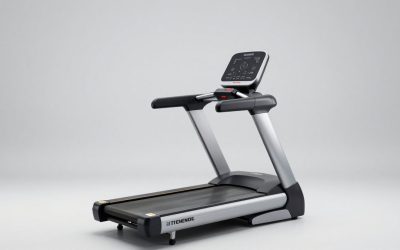
Best Commercial Treadmills for Home Use
The best commercial treadmills for home use are the Sole F85 for...
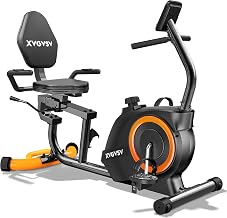
6 Best Recliner Bikes (2026)
Most sleep advice arrives with an asterisk: move your body during the...
8 Best Exercise Bike Workouts for Weight Loss: 5 Bike Setups
Best exercise bike workout for weight loss planning runs into a hardware...
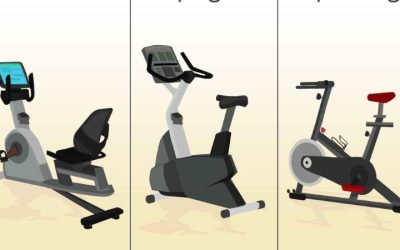
8 Best Exercise Bikes for Weight Loss: 5 Consoles Compared
Best exercise bike for weight loss listings advertise app connectivity while many...
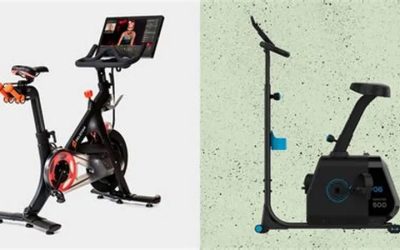
8 Best Exercise Bikes for Losing Weight: 5 Models Compared
Exercise bike best for losing weight shortlists rarely mention the two things...
Write Your Review
No reviews yet. Be the first to share your experience!