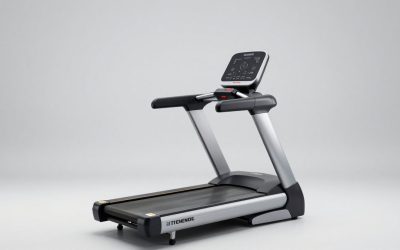
Best High-End Incline Treadmills for Intense Workouts
The NordicTrack X24 Treadmill is the best all-around choice for high-end incline training, while the Bowflex Treadmill 22 suits runners who want a steep decline option, and the Sole TT8 is a strong pick for a durable, non-subscription-focused setup. Compare the machines by usable incline, speed, motor, cushioning, user capacity, room fit, assembly, and programming—not by incline percentage alone.
At a glance: three options for different training needs
| Model | Incline and decline | Top speed | Motor | Maximum user weight | Best fit |
|---|---|---|---|---|---|
| NordicTrack X24 | Up to 40% incline; up to 6% decline | 12 mph | 4.25 CHP | 400 lb | Steep hiking intervals and guided workouts |
| Bowflex Treadmill 22 | Up to 20% incline; down to 5% decline | 12 mph | 4.0 CHP | 400 lb | Incline and downhill training with a large screen |
| Sole TT8 | Up to 15% incline; down to 6% decline | 12 mph | 4.0 CHP | 400 lb | Frequent running without a required workout subscription |
Specifications can vary by model year and market, so confirm the exact version before buying. CHP means continuous horsepower, but motor figures alone do not predict how a treadmill feels underfoot; frame stability, belt dimensions, maintenance, and the manufacturer’s warranty matter too.
Our top picks
 Sunny Health & Fitness Auto Incline/Decline Treadmill
- 【CONNECT TO YOUR SMART TV】Link your treadmill to…
- 【HIGH-SPEED PERFORMANCE w/4HP MOTOR】Reach speeds up to 12…
- 【22-LEVEL AUTO INCLINE & DECLINE】 Simulate real-world terrain…
 EviTrend 0-16% Auto Incline Treadmill
- 【12-LEVEL AUTO INCLINE, 0–16% RANGE】
- 【FOLDS FLAT IN ~10 SECONDS, 90% PRE-ASSEMBLED】
- 【LARGE LED DISPLAY WITH BUILT-IN HOLDERS】
 WELLFIT Auto Incline Treadmill
- 4.5HP Powerful & Quiet Brushless Motor: Brushless motor…
- User-Friendly Console: The treadmill console features 13 easy-to-use…
- Adjustable LED Display and APP: The Large LED…
| Product | Key specs | |
|---|---|---|
| Sunny Health & Fitness Auto Incline/Decline Treadmill | 【CONNECT TO YOUR SMART TV】Link your treadmill to… 【HIGH-SPEED PERFORMANCE w/4HP MOTOR】Reach speeds up to 12… 【22-LEVEL AUTO INCLINE & DECLINE】 Simulate real-world terrain… | Check price |
| EviTrend 0-16% Auto Incline Treadmill | 【12-LEVEL AUTO INCLINE, 0–16% RANGE】 【FOLDS FLAT IN ~10 SECONDS, 90% PRE-ASSEMBLED】 【LARGE LED DISPLAY WITH BUILT-IN HOLDERS】 | Check price |
| WELLFIT Auto Incline Treadmill | 4.5HP Powerful & Quiet Brushless Motor: Brushless motor… User-Friendly Console: The treadmill console features 13 easy-to-use… Adjustable LED Display and APP: The Large LED… | Check price |
 LONTEK 18% Incline Treadmills for Home with LONTEK 18% Incline Treadmills for Home with | 𝙈𝘼𝙓𝙄𝙈𝙐𝙈 𝟭𝟴% 𝙈𝘼𝙉𝙐𝘼𝙇 𝙄𝙉𝘾𝙇𝙄𝙉𝙀:The treadmills for home equipped… 𝘾𝙇𝙀𝘼𝙍 𝙇𝙀𝘿 𝘿𝙄𝙎𝙋𝙇𝘼𝙔 𝙎𝘾𝙍𝙀𝙀𝙉: The clear LED display… 𝟳-𝙇𝘼𝙔𝙀𝙍 𝙎𝙃𝙊𝘾𝙆-𝘼𝘽𝙎𝙊𝙍𝘽𝙄𝙉𝙂 𝘽𝙀𝙇𝙏: Enjoy a comfortable running experience… | Check price |
As an Amazon Associate we earn from qualifying purchases at no extra cost to you.
Choose by workout, not by headline incline
For very steep power hikes: NordicTrack X24
The X24’s 40% maximum incline is far steeper than the 15–20% maximum on the other two machines here. That makes it the clearest choice for short, demanding uphill intervals or hiking-style sessions. Its 12 mph top speed also leaves room for running, and the 400 lb capacity is substantial for a home treadmill. The trade-off is that its large interactive display and guided-training ecosystem make it a better fit for buyers who will actually use connected programming, rather than those seeking a simple console.
For incline and downhill variety: Bowflex Treadmill 22
With a 20% incline and 5% decline, the Treadmill 22 covers a wider range of terrain-style sessions than a machine that only inclines. Decline work can change how a run loads the legs, but it is not a substitute for outdoor downhill technique. Its 12 mph speed and 400 lb user limit suit a broad range of home training. Check the display and subscription terms before purchase: a large screen is useful only if the workout service and ongoing costs suit your routine.
For regular running with fewer digital commitments: Sole TT8
The TT8 offers a 15% incline, 6% decline, 12 mph top speed, and a 400 lb user capacity. It is less steep than the X24, but still supports hard hill sessions. Sole’s console and workout approach may appeal to buyers who prefer a conventional machine over a screen-led training experience. Compare the current warranty, dimensions, and service arrangements for the specific TT8 version available in your region; these details can change.
Room fit: allow space for movement and maintenance
A treadmill’s listed footprint is only the equipment’s base, not the space you need to use it safely. As a planning rule, leave about 24 inches clear on each side and 78 inches behind the belt, then follow the manufacturer’s more specific clearance instructions. The rear space matters most: it gives you room to step off safely if you stumble. Keep the front accessible for cleaning and servicing, and avoid placing the machine where a door, cabinet, or other furniture blocks an exit.
Measure the assembled footprint and the route into the room, including hallway turns, stair landings, and door openings. A treadmill may fit a 10 × 12 ft room, but that does not guarantee comfortable placement: a desk, bed, or sofa can eliminate the required rear clearance. For a compact room, draw the footprint and clearance zone on the floor with painter’s tape before ordering. Also verify ceiling height for your tallest runner at the steepest incline; the belt lifts the user’s body, so a room that works for flat running may feel low on a climb.
Construction and comfort: what the specs do—and don’t—tell you
| Feature | What to check | Practical trade-off |
|---|---|---|
| Deck cushioning | Whether cushioning is adjustable, fixed, or described only in marketing terms | More give can feel comfortable, but runners may prefer a firmer, predictable surface. Cushioning does not prevent injury. |
| Frame and rollers | Frame stability, roller size, and warranty coverage | A sturdy build can reduce unwanted movement during hard intervals, but often increases weight and moving difficulty. |
| Running belt | Usable belt width and length | A longer, wider belt gives tall runners and fast strides more room, but enlarges the machine’s footprint. |
| Motor and capacity | Continuous-duty rating and maximum user weight | Stay within the stated limit; a generous capacity does not compensate for poor maintenance or unsuitable use. |
Deck cushioning is not consistently measured across brands, so avoid treating a label such as “soft” as a comparable specification. If possible, try the model or check the return policy. For intense use, inspect belt lubrication requirements and warranty coverage for the motor, frame, deck, and labor. A treadmill used for frequent intervals puts more demands on the belt and drive system than occasional walking.
Assembly and moving: plan for a heavy delivery
High-end treadmills are bulky and heavy, and their shipping weight can exceed 300 lb. The carton may be longer and wider than the doorway it must pass through, so ask the seller for package dimensions and delivery details—not just the assembled measurements. Measure the narrowest doorway and tightest turn along the full route. Confirm whether delivery includes room-of-choice placement and assembly; “delivery” can mean curbside drop-off.
Assembly commonly involves attaching the uprights, console, and covers, with two adults recommended for lifting and alignment. A cramped room makes the job harder because the base is difficult to reposition once assembled. If you rent, protect floors with an appropriate equipment mat, but make sure the mat does not interfere with stability or ventilation. Do not assume a folding design makes a heavy treadmill easy to move; incline machines can still be awkward to tilt or roll.
Which one fits your situation?
| Your priority | Best starting point | Why |
|---|---|---|
| Steep uphill intervals | NordicTrack X24 | Its 40% maximum incline is the standout feature. |
| Both uphill and downhill sessions | Bowflex Treadmill 22 or Sole TT8 | Both include decline as well as incline. |
| Frequent running without screen-led training | Sole TT8 | Its conventional approach may suit buyers who do not want their workouts centered on a connected display. |
| Small room or difficult access route | Measure first; compare folded and assembled dimensions | All three are substantial machines; room and delivery fit may matter more than the feature list. |
| Multiple users with different training levels | Compare capacity, console profiles, and quick controls | A high user-weight limit is helpful, but easy speed and incline changes matter for shared use. |
Programming and buying checklist
Workout programming ranges from manual speed-and-incline control to built-in interval plans and subscription-based coaching. Before paying extra for a screen, check whether workouts remain available without a subscription, whether the console supports multiple users, and whether you can quickly adjust incline during an interval. For hard sessions, simple controls you can operate safely may be more valuable than a large library of classes.
- Match the maximum incline and decline to the sessions you will actually do.
- Check belt dimensions, capacity, motor rating, warranty, and maintenance requirements for the exact model year.
- Confirm assembled and carton dimensions, delivery placement, assembly cost, and room clearances.
- Compare the total cost, including any optional workout subscription and delivery or setup fees. High-end incline treadmills commonly range from about $2,000 to $4,000 or more, depending on features and promotions.
For most buyers focused on demanding uphill work, the NordicTrack X24 is the strongest match because its incline range is unusually steep. Choose the Bowflex Treadmill 22 for a more balanced incline-and-decline feature set, or the Sole TT8 if you want substantial training capability without making a connected screen the centerpiece. The right purchase is the one that fits your training, room, delivery route, and ongoing maintenance—not simply the one with the biggest number on its spec sheet.