
Key takeaways
- Target Audience: Adult
- Recommended Uses For Product: Endurance, Exercise and Fitness, Speed
- Item Length: 280 Centimeters
The ceiling is the constraint nobody checks. A jump rope’s arc peaks roughly a foot above your head when you are mid-jump, which means the rope needs your standing height plus the height of your jump plus about twelve inches of clearance. For a five-foot-eight person jumping six inches off the floor, that is close to 92 inches — more than a standard eight-foot ceiling provides once you account for a light fitting. The result is a rope that clips the ceiling on every rotation, gouges the paint, and makes indoor skipping impossible.
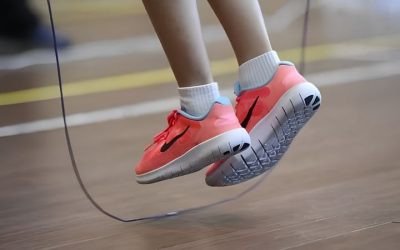
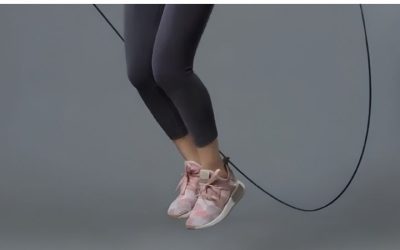
There are two ways around it. Shorten the rope, which tightens the arc and lowers its peak, and jump lower — a proper skipping jump should barely leave the ground, an inch or two at most. Together those changes can bring the arc under a standard ceiling for most people. Taller users, or anyone with a light fixture in the middle of the room, may need to move outdoors or into a garage. Do this arithmetic before you buy, because it also determines which rope length you need. Below are six options that suit different combinations of body size and room height.
Our top picks
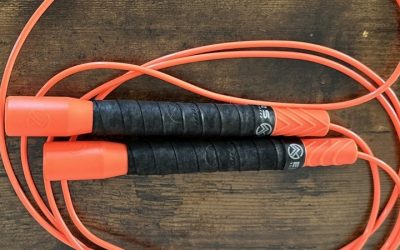
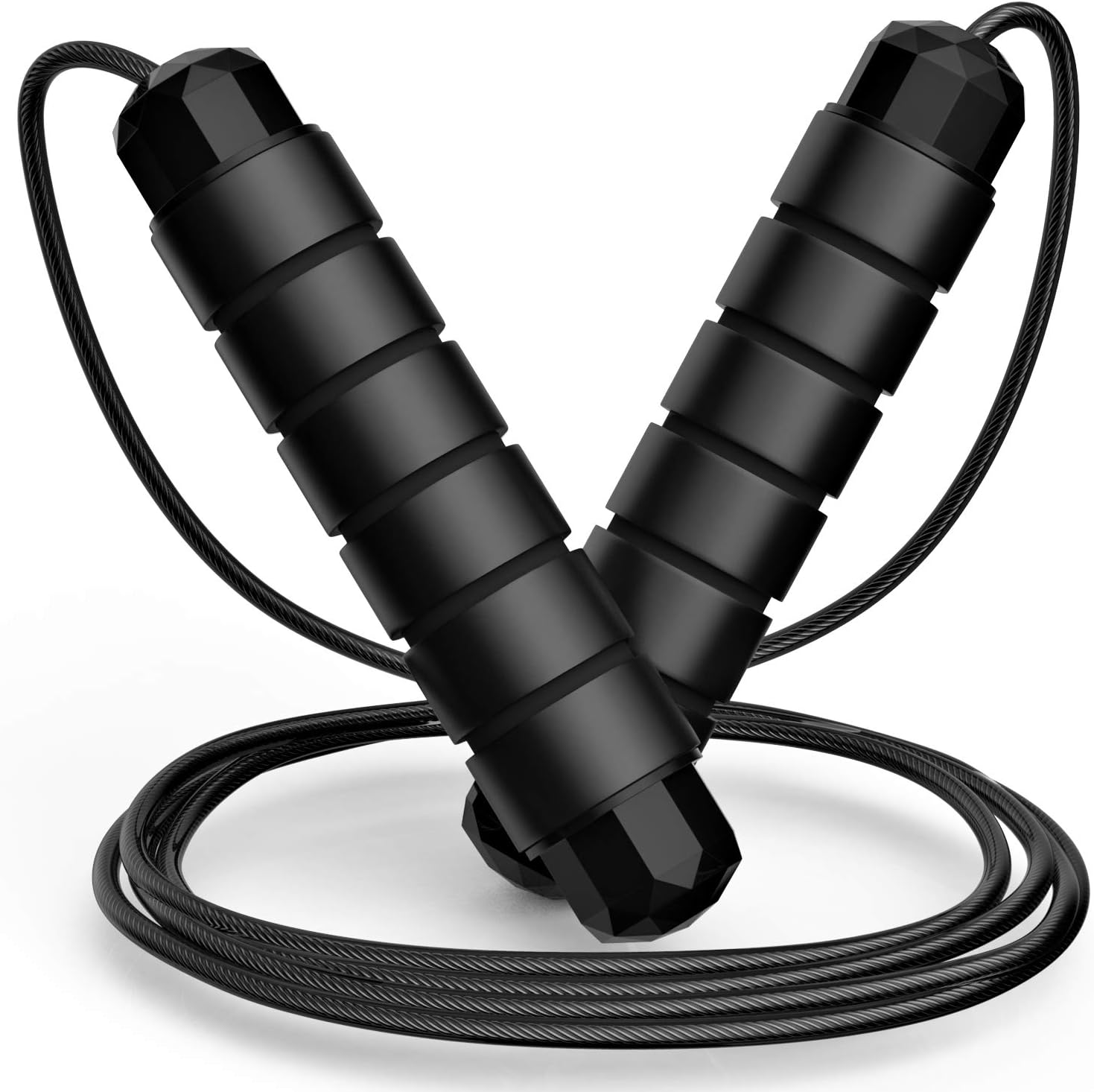 Jump Rope
- Target Audience: Adult
- Recommended Uses For Product: Endurance, Exercise and Fitness, Speed
- Item Length: 280 Centimeters
 BOOMIBOO Jump Rope
- Target Audience: Adult, Kid
- Recommended Uses For Product: Exercise and Fitness
- Item Length: 9.2 Feet
 Elite Jumps 6mm PVC Jump Rope
- Target Audience: Adult
- Recommended Uses For Product: Boxing, Exercise and Fitness
- Item Length: 10 Feet
| Product | Key specs | |
|---|---|---|
| Jump Rope | Target Audience: Adult Recommended Uses For Product: Endurance, Exercise and Fitness, Speed Item Length: 280 Centimeters | Check price |
| BOOMIBOO Jump Rope | Target Audience: Adult, Kid Recommended Uses For Product: Exercise and Fitness Item Length: 9.2 Feet | Check price |
| Elite Jumps 6mm PVC Jump Rope | Target Audience: Adult Recommended Uses For Product: Boxing, Exercise and Fitness Item Length: 10 Feet | Check price |
 YUEDONG Ultra-Soft Beaded Jump Rope with Tangle-Free YUEDONG Ultra-Soft Beaded Jump Rope with Tangle-Free | Check price | |
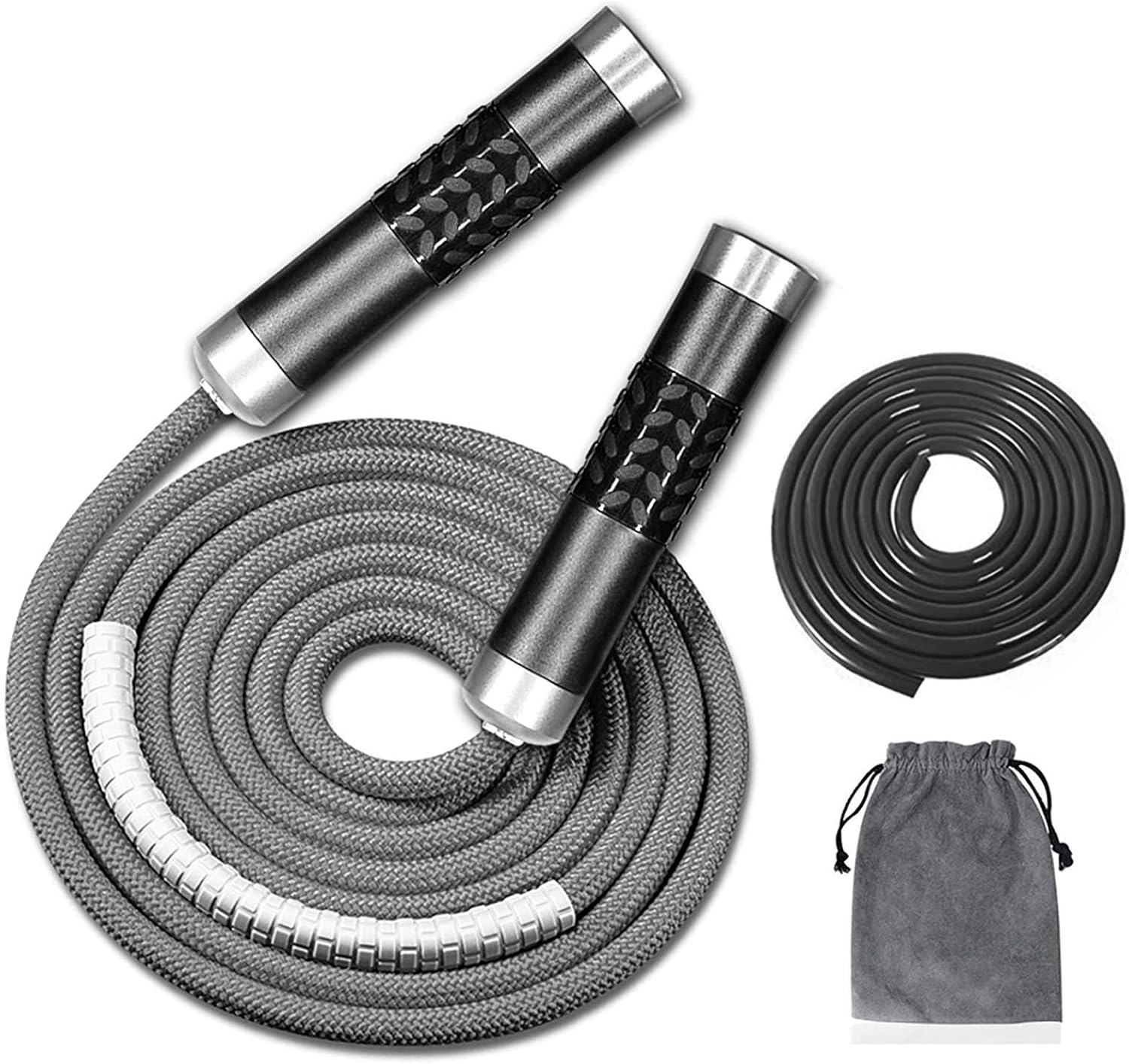 Redify Weighted Jump Rope for Workout Fitness Redify Weighted Jump Rope for Workout Fitness | Target Audience: Adult Item Length: 120 Inches Handle Diameter: 1 inches | Check price |
 YUEDONG Soft Beaded Jump Rope for Teens YUEDONG Soft Beaded Jump Rope for Teens | Check price | |
 SPORTBIT Adjustable Jump Rope for Fitness and SPORTBIT Adjustable Jump Rope for Fitness and | Check price | |
 SPORTBIT Adjustable Jump Rope for Fitness and SPORTBIT Adjustable Jump Rope for Fitness and | Check price |
As an Amazon Associate we earn from qualifying purchases at no extra cost to you.
Quick Comparison
| Product | Best For | Standout Feature | Watch Out For |
|---|---|---|---|
| Tangle-Free Speed Rope | Low ceilings, tight arc | Shortens easily for a compact arc | Trimmed cable cannot be undone |
| BOOMIBOO Adjustable Rope | Setting a precise length | Lock holds the adjustment | Slimmer handles |
| Elite Jumps 6mm PVC Rope | Garages and outdoor spaces | Non-kinking cord, tough handles | Thicker cord needs more clearance |
| YUEDONG Beaded Rope for Kids | Children in smaller rooms | Short arc suited to shorter jumpers | Handles sized for small hands |
| Redify Weighted Rope | Open spaces, no ceiling limit | 1 lb weight for a stable arc | Wide arc needs room |
| YUEDONG Beaded Rope for Adults | Freestyle and skill practice | Adjustable length, controlled arc | Beads are loud on hard floors |
How to Choose
- Do the ceiling arithmetic: Add your height, your jump height and about twelve inches. If that exceeds your ceiling, you need a shorter rope, a lower jump, or a different room.
- Shorten before you compromise: A rope set to chest height rather than armpit height produces a noticeably tighter arc. That single change often brings indoor skipping within reach.
- Jump lower than feels natural: Efficient skipping barely leaves the floor. Beginners jump far higher than necessary, which is both tiring and the main reason the rope hits the ceiling.
- Watch for light fittings and fans: A pendant light in the middle of a room removes several inches of usable height in exactly the spot where you would stand. Check the clearance where you actually plan to jump.
- Measure lateral space too: The arc extends sideways as well as up. You want roughly three feet clear on each side, which rules out skipping in a narrow hallway regardless of ceiling height.
Top Picks Reviewed
Best for Low Ceilings: Tangle-Free Rapid Speed Rope
The ability to shorten this rope substantially is what makes it viable in a room with limited height. A tighter arc peaks lower, and the ball-bearing handles keep the rotation smooth even as the cable gets short and fast.
If shortening involves trimming the cable, that is permanent. Take a small amount off, use it for a week, then trim again if needed — an over-shortened rope has no path back.
Best Length Control: BOOMIBOO Adjustable Jump Rope
When you have calculated exactly the length that fits under your ceiling, you need that setting to survive. This rope’s lock holds reliably, which means every session starts at the length you carefully worked out rather than one that has drifted longer.
The handles are slimmer than most, which suits some hands better than others. Worth considering if you have a larger grip.
Best for Garages: Elite Jumps 6mm PVC Jump Rope
Garages and outdoor spaces usually solve the ceiling problem, and there the priority shifts to durability. The 6 mm non-kinking cord survives concrete far better than thin coated cables, and the handles are genuinely tough.
The thicker cord traces a slightly wider arc than a thin cable at the same length, so it is a poor choice for a room where clearance is already marginal.
Best for Children: YUEDONG Beaded Rope for Kids
Shorter jumpers need shorter arcs, which means a child can often skip indoors in a room where an adult cannot. The soft TPU beads give an audible rhythm that helps with learning, and they sting far less than a cable on a mistimed rep.
The handles are proportioned for small hands, so this is genuinely a child’s rope and will feel cramped for an adult.
Best for Open Spaces: Redify Weighted Jump Rope
Where ceiling height is not a constraint — outdoors, a garage, a high-ceilinged basement — the added pound of weight gives a stable, predictable arc that is easier to time. It also raises the intensity considerably.
The heavier rope traces a wider arc and needs more room in every direction. In a confined space it is the wrong tool, and the weight will find your shoulders sooner than a light cable does.
Best for Skill Work: YUEDONG Beaded Rope for Teens and Adults
Freestyle and skill practice benefit from a beaded rope because you can feel and hear exactly where the rope is, which is essential for crossovers and side swings. The adjustable length lets you tune the arc to your room and your level.
Beads are loud on a hard floor and can mark laminate over time. On a mat or outdoors that is a non-issue; in a flat above someone else it is worth thinking about.
Frequently Asked Questions
What ceiling height do I need to jump rope indoors?
Roughly your height plus your jump height plus about twelve inches for the arc. Most people need somewhere between 90 and 100 inches, which is more than a standard eight-foot ceiling provides unless you shorten the rope and jump low.
How can I skip in a room with a low ceiling?
Shorten the rope toward chest height and keep your jumps to an inch or two off the floor. That combination reduces the arc peak significantly and makes many standard rooms workable.
How much floor space does jumping rope need?
About three feet clear on each side and a similar amount front to back. A narrow hallway will not work even with adequate ceiling height, because the arc extends sideways as the rope passes.
Are beaded ropes suitable for indoor use?
They work well but they are loud, and on hard flooring the beads can leave marks over time. A mat under your jumping spot addresses both problems.
Final Thoughts
In a room with limited height, the Tangle-Free Rapid Speed Rope shortens down to a tight arc better than anything else here. If your space is a garage or a yard, the Elite Jumps 6mm PVC Jump Rope trades arc size for durability that thin cables cannot match. And for skill practice where you need to feel every rotation, the YUEDONG Beaded Rope for Teens and Adults gives the clearest feedback — just put a mat down first.

Write Your Review
No reviews yet. Be the first to share your experience!