
Key takeaways
- Orientation: Portrait
- Item Shape: Rectangular
- Theme: Building
Back day with dumbbells fails for three boring reasons, and none of them are your lats. Your fingers give out before your mid-back does. Your torso wobbles on a bench that’s too soft or too high, so half the row turns into a hip snatch. And eventually the heaviest dumbbell in the house stops being heavy — you’re doing sets of fifteen with 50 pounds and calling it hypertrophy when it’s really just cardio with knurling. Grip, support, and load ceiling. Fix those three and a pair of dumbbells will build a back that looks like it was trained on a machine rack.
This kit is built around that diagnosis rather than around a brand. Six pieces: two ways to solve the weight ceiling depending on your budget and floor space, two ways to take your grip out of the equation, one bench that actually holds a 30-degree chest-supported angle, and one mat so you can set a heavy dumbbell down without apologizing to your downstairs neighbor. Pick the ceiling solution that matches your ambition, then treat the other four as non-negotiable. Total footprint is roughly a 6×6 foot square, which fits in a spare bedroom corner.
Our top picks
 Palace Learning Dumbbell Workout Exercise Poster
- Orientation: Portrait
- Item Shape: Rectangular
- Theme: Building
 goremote Dumbbell Workout Poster Set
- Orientation: Portrait
- Item Shape: Rectangular
- Theme: Workout
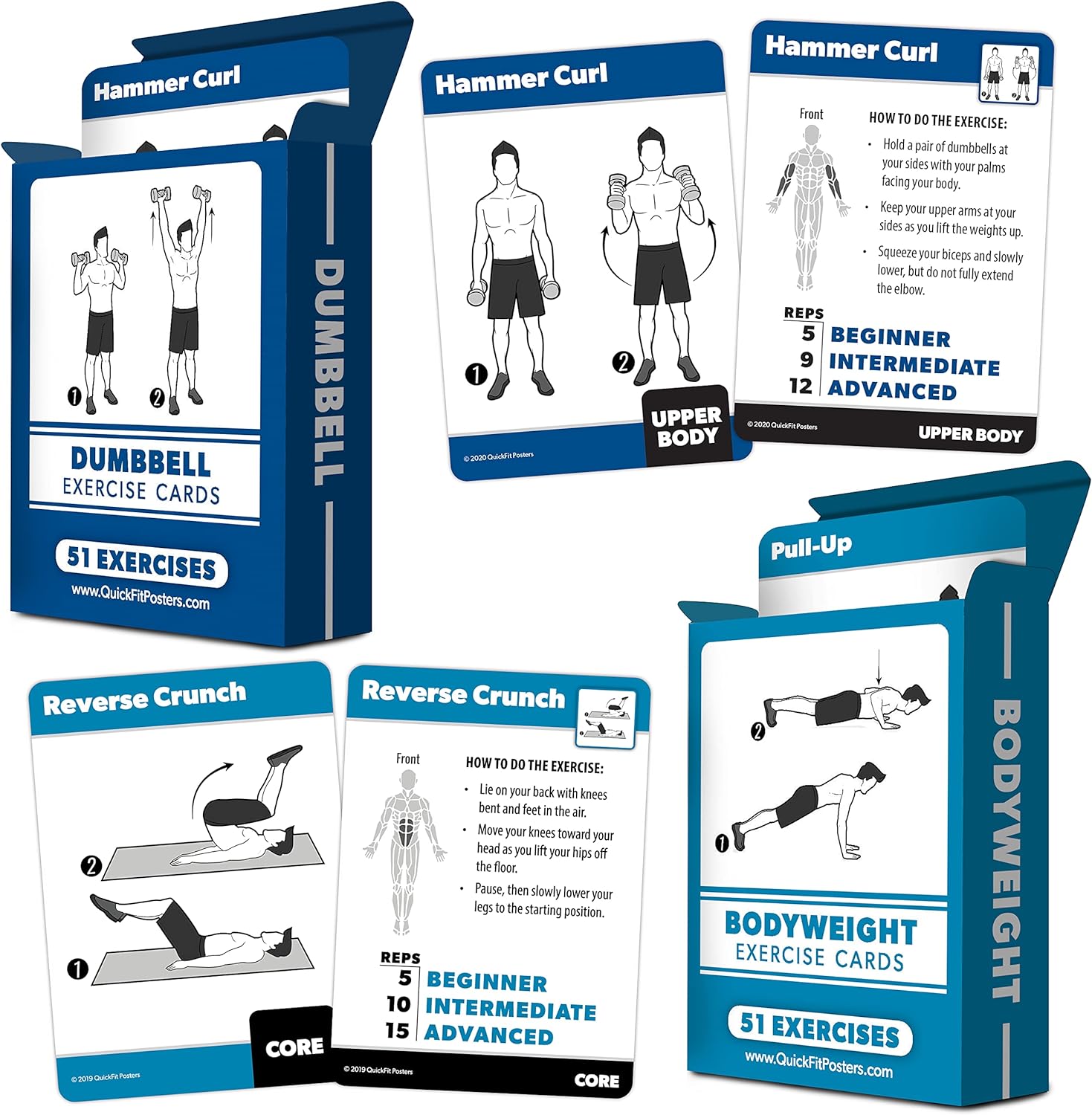 2 Pack
- Educational Objective: Physical Fitness Skills
- Age Range Description: Adult
- Number of Pieces: 200
| Product | Key specs | |
|---|---|---|
| Palace Learning Dumbbell Workout Exercise Poster | Orientation: Portrait Item Shape: Rectangular Theme: Building | Check price |
| goremote Dumbbell Workout Poster Set | Orientation: Portrait Item Shape: Rectangular Theme: Workout | Check price |
| 2 Pack | Educational Objective: Physical Fitness Skills Age Range Description: Adult Number of Pieces: 200 | Check price |
 Amazon Basics Neoprene Dumbbell Hand Weights for Amazon Basics Neoprene Dumbbell Hand Weights for | Set Name: 3-Piece Dumbbell Set Item Dimensions L x W: 8.19"L x 6.69"W Handle Diameter: 1.25 | Check price |
 Dumbbell Workout Chart Poster Dumbbell Workout Chart Poster | Dumbbell Workout Poster For Gym: A structured and… Full Body Training Chart Layout: Includes categorized sections… Clear Exercise Illustrations And Labels: Features detailed movement… | Check price |
 75 Dumbbell Workout Cards 75 Dumbbell Workout Cards | Educational Objective: Motor Skills Set Name: 75 Dumbbell Workout Cards Item Dimensions L x W: 3.5"L x 2.5"W | Check price |
 Yes4All Neoprene Coated Dumbbell Hand Weight Sets Yes4All Neoprene Coated Dumbbell Hand Weight Sets | Check price | |
 POCAZONE Dumbbell Workout Posters POCAZONE Dumbbell Workout Posters | Check price |
As an Amazon Associate we earn from qualifying purchases at no extra cost to you.
As an Amazon Associate we earn from qualifying purchases.

Quick Comparison
| Component | Problem It Solves | Key Spec | Best For |
|---|---|---|---|
| Dial-Adjust Dumbbell Pair | Load ceiling, fast | 5–52.5 lb per hand, 2.5 lb steps | Small rooms, drop sets, mixed training |
| Loadable Dumbbell Handles | Load ceiling, unlimited | Takes standard plates past 100 lb | Heavy rowers who already own plates |
| Figure-8 Lifting Straps | Grip failure on rows | Closed loop, no wrapping technique | Heavy single-arm and chest-supported rows |
| Liquid Chalk | Sweat slip, thick handles | Dries in ~10 seconds, no dust | Pull-ups, shrugs, apartment gyms |
| Adjustable FID Bench | Torso support and angle | 17–19 in pad height, locking incline | Chest-supported and prone rows |
| High-Density Drop Mat | Floor, noise, dumbbell wear | 3/4 in rubber, 4×6 ft coverage | Upstairs rooms, garage concrete |
How to Choose
- Match the ceiling to your row strength, not your curl strength. Rowing is the strongest dumbbell movement most people own. If you can already do eight clean reps at 50 pounds per hand, a 52.5 lb set is a dead end within two months. Plate-loadable handles or a 90 lb adjustable set are the honest choice.
- Demand small increments. A 10 lb jump on a single-arm row is enormous. Dials that move in 2.5 lb steps, or handles you can nudge with 1.25 lb plates, keep progressive overload possible instead of theoretical.
- Check pad height before pad plushness. For chest-supported rows you need clearance for the dumbbell to travel below the pad. A bench sitting 17–19 inches off the floor gives you that on a low incline; anything shorter turns into a partial rep.
- Pick a grip aid per exercise, not one for everything. Straps belong on heavy rows where you want zero forearm involvement. Chalk belongs on pull-ups and shrugs where you still want to train grip but not slide off the bar. Owning both costs less than one good dumbbell.
- Account for the set-down. Heavy dumbbell work involves lowering 80 to 200 pounds of iron to the floor while fatigued. Without a mat you’ll either dent the subfloor or start compromising the last two reps to protect it.
Top Picks Reviewed
Dial-Adjust Dumbbell Pair (5–52.5 lb)
The strongest argument for dial dumbbells is drop sets. Row your eight reps at 50, twist the dial to 35, keep going. That takes four seconds and requires no plate math, which matters when your heart rate is at 160. The tradeoff is a longer handle-to-plate profile that feels bulky in a tight bent-over row, plus the honest limit of the mechanism — treat 52.5 as a plateau you’ll eventually train past rather than a lifetime tool.
Loadable Dumbbell Handles with Plate Set
Unglamorous and effectively unlimited. Two knurled handles with collars, loaded from whatever plates you own, will carry you to 100+ pounds per hand for rows and shrugs. Loading takes 30 seconds per side, so program straight sets rather than drop sets. The compact 12-inch handles are worth seeking out; longer bars clang into the bench pad on the top half of a chest-supported row.
Figure-8 Lifting Straps
Traditional straps require a wrap technique that’s awkward one-handed. Figure-8s are a closed loop: foot through, hand through, done, and the strap physically cannot unravel mid-set. For heavy single-arm rows this is the single highest-leverage purchase in the kit. Your mid-back can usually handle two or three more reps than your fingers can, and these hand them back to you.
Liquid Chalk
Block chalk is banned in most shared gyms and hated by most spouses. Liquid chalk gives you the same friction with no cloud, dries in about ten seconds, and lives in a jacket pocket. Use it for pull-ups, farmer’s carries, and shrugs — anywhere you want the grip work to count. One 8 oz bottle lasts several months of three-day-a-week training.
Adjustable FID Bench
The bench is what converts dumbbells into a real back program. Set it to a low incline, lie prone, and you get chest-supported rows that eliminate lower-back fatigue and cheating entirely — the same movement pattern a commercial T-bar machine sells you. Look for a locking ladder or pin adjustment rather than a friction hinge, a firm pad that doesn’t compress under your ribs, and a flat setting for single-arm rows with a knee up.
High-Density Drop Mat
Three-quarter-inch rubber, ideally in interlocking tiles so you can size the platform to your corner. It kills the impact noise of a set-down, protects hardwood and dumbbell end caps, and gives you a defined training zone that stays clear of clutter. Air it out for a few days after unboxing — new rubber has a smell.
Frequently Asked Questions
Won’t straps make my grip weak?
Only if you strap everything. Grip strength responds to dedicated work — carries, holds, chalked pull-ups — not to being the accidental limiting factor on rows. Strap the heavy pulls, then finish with a two-minute loaded carry and your forearms will be stronger than they were when you were failing at rep six.
Are adjustable dumbbells safe for heavy rows?
Quality dial systems are, within their rating. What they don’t tolerate is being dropped from waist height onto a hard floor, which can misalign the selector plates. Lower them under control onto the mat and they’ll last years. If your training style involves genuine drops, plate-loadable handles are the more durable answer.
What bench angle is best for chest-supported rows?
Around 30 degrees for most people. Steeper than 45 and the movement drifts toward a shrug with your traps taking over; flatter than 20 and the dumbbells hit the floor before you reach full stretch. Set the angle so your arms hang fully extended with two or three inches of clearance at the bottom.
Can dumbbells alone build a complete back?
Yes, with one addition: a vertical pull. Rows in three variations — chest-supported, single-arm, and a wide-elbow row for upper back — cover horizontal pulling thoroughly, and shrugs and pullovers handle the rest. Add a doorway or wall-mounted pull-up bar for lat work in the vertical plane and the program is genuinely complete.
Final Thoughts
Order the bench and the straps first if you’re buying in stages, because they immediately improve every rep you’re already doing with the dumbbells you already own. The mat follows, then the ceiling upgrade once you notice your top set stopped being hard. What you’ll end up with isn’t a compromise version of a gym back workout — it’s a setup where the only limiting factor is how much effort you bring on a given morning, which is exactly where the limit belongs.
8 Best Ab Workouts with Dumbbells: 6 Support Picks Compared
Best ab workouts with dumbbells are limited more often by position than...
Best Budget Adjustable Dumbbell: 6 Picks and Trade-Offs
Best budget adjustable dumbbell shopping is really a question about what you...
Best Abs Exercise with Dumbbells: 6 Picks by Coating Type
Best abs exercise with dumbbells movements rest the weight against your chest,...
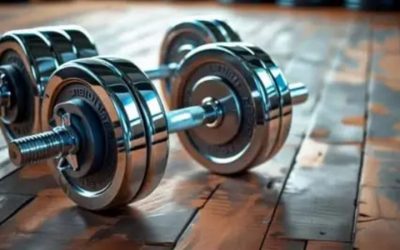
Best Abs Workout with Dumbbells: 6 Picks for Fast Circuits
Best abs workout with dumbbells formats are almost always circuits, and circuits...
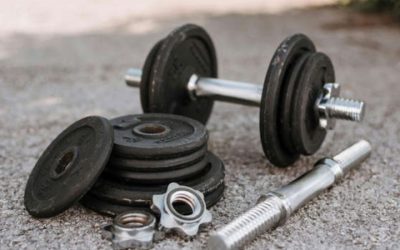
Best at Home Dumbbells: 6 Picks for Sharing a Household
Best at home dumbbells guides assume one user. Most households have two,...
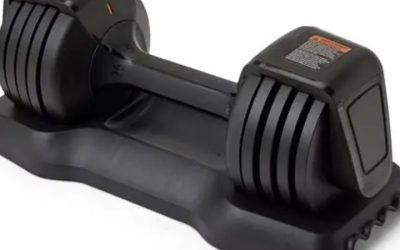
Best Dumbbells Home Gyms Use: 6 Picks Ranked by Delivery
Best dumbbells home buyers compare weight ranges and then discover the real...
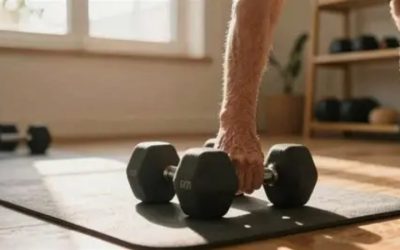
8 Best Ab Exercises with Dumbbells: 6 Floor-Friendly Picks
Best ab exercise with dumbbells options are mostly done lying down, which...
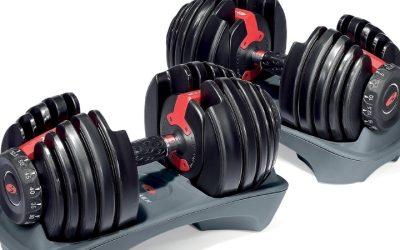
Best Dumbbell Set for Home Gym: 5 Picks Ranked by Space
Best dumbbell set for home gym shopping starts with a definition problem....
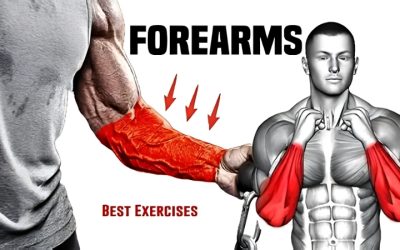
8 Best Workouts for Forearms with Dumbbells: 5 Gear Choices
Best workout for forearms with dumbbells depends less on the exercise list...
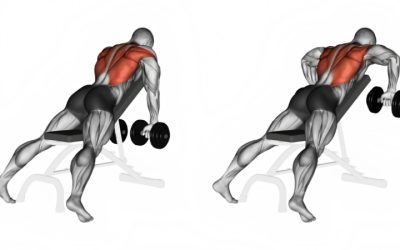
Best Lat Exercises Dumbbells: 6 Picks for Heavy Row Work
Best lat exercises dumbbells face a problem arm work never does: the...
Write Your Review
No reviews yet. Be the first to share your experience!