Key takeaways
- Cooling mechanism: Passive PCM and Arc-Chill fabrics feel instantly cool to the touch and are ideal if you run warm at bedtime but stabilize overnight. If you wake drenched from night sweats, menopause, or medication side effects, only an active water- or air-circulating system will move enough heat to help.
- Breathability over plushness: A thick pillow-top adds pressure relief but can insulate. Look for open, low-density fills, 3D spacer knits, or cotton and bamboo-derived rayon face fabrics that wick moisture instead of holding it against your skin.
- Waterproofing trade-off: Any membrane blocks airflow to some degree. If you need protection, choose a pad engineered with air-permeable or 3D fabric layers rather than a standard laminated vinyl backing, which will undo your cooling gains.
- Pocket depth and fit: Measure your mattress including any existing topper. Pads listed at 18–20 inches accommodate most modern beds, and a snug fit matters because a shifting pad creates hot creases and wrinkles that concentrate heat.
- Maintenance and noise: Confirm the pad is machine washable, and for active systems check the decibel rating and reservoir refill interval. A cooler that hums audibly or needs topping off nightly will get unplugged by week three.
Overheating at night isn’t a comfort quibble — it’s a physiological roadblock. Core body temperature has to drop roughly one to two degrees for sleep to consolidate, and a mattress that traps metabolic heat keeps that thermostat pinned. The result is the pattern I hear about constantly in consultations: falling asleep fine, then surfacing at 2 a.m. damp, restless, and unable to settle. Memory foam layers, tightly woven sheets, and shared beds all compound the problem, and cranking the AC lower rarely fixes it because the heat is trapped between you and the sleep surface, not floating around the room.
A cooling mattress pad sits exactly where that heat accumulates, which is why it tends to outperform pricier interventions. This guide separates the three approaches worth your money — phase-change fabrics that pull heat on contact, breathable natural-fiber pads that let it escape, and active systems that circulate cooled water or air — and explains which one matches your particular kind of hot sleeping. Below you’ll find the models I’d point a client toward in 2026, followed by a buying framework and answers to the questions that come up most.
Our top picks



As an Amazon Associate we earn from qualifying purchases at no extra cost to you. Ratings are shown as listed on Amazon.
🛒 Best Price Today on Amazon
Prime members get fast, free shipping on everything above, plus member-only deals. New members get a 30-day free trial — cancel anytime.
How to Choose a Cooling Mattress Pad For Hot Sleepers (2026)
- Cooling mechanism: Passive PCM and Arc-Chill fabrics feel instantly cool to the touch and are ideal if you run warm at bedtime but stabilize overnight. If you wake drenched from night sweats, menopause, or medication side effects, only an active water- or air-circulating system will move enough heat to help.
- Breathability over plushness: A thick pillow-top adds pressure relief but can insulate. Look for open, low-density fills, 3D spacer knits, or cotton and bamboo-derived rayon face fabrics that wick moisture instead of holding it against your skin.
- Waterproofing trade-off: Any membrane blocks airflow to some degree. If you need protection, choose a pad engineered with air-permeable or 3D fabric layers rather than a standard laminated vinyl backing, which will undo your cooling gains.
- Pocket depth and fit: Measure your mattress including any existing topper. Pads listed at 18–20 inches accommodate most modern beds, and a snug fit matters because a shifting pad creates hot creases and wrinkles that concentrate heat.
- Maintenance and noise: Confirm the pad is machine washable, and for active systems check the decibel rating and reservoir refill interval. A cooler that hums audibly or needs topping off nightly will get unplugged by week three.
The Best Cooling Mattress Pad For Hot Sleepers (2026)s Reviewed
Elegear Arc-Chill 3.0 PCM Cooling Mattress Pad
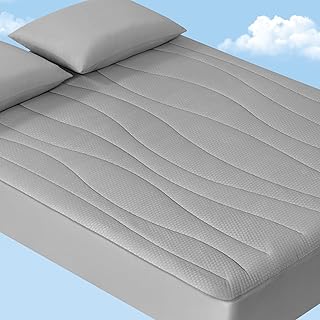
The Arc-Chill 3.0 surface delivers the most convincing instant-cool sensation in the passive category, and the phase-change layer keeps absorbing heat for the crucial first hour of sleep rather than warming up in minutes. With an 18-inch deep pocket and a washable construction that doubles as a protector, it’s my default recommendation for someone who wants meaningful relief without a plug or a pump.
Niagara Sleep Solution Bamboo Rayon Pillow Top Topper
This one solves two problems at once: the rayon-from-bamboo face fabric moves moisture efficiently while the pillow-top fill takes pressure off hips and lower back. Choose it if your overheating comes bundled with aches and a mattress that’s gone slightly too firm.
Niagara Sleep Solution 100% Cotton Top Cooling Topper
Cotton remains the most reliably breathable sleep surface for people who dislike the slick hand of engineered cooling fabrics, and this cloud-like pad gets the balance right — soft enough to feel like an upgrade, airy enough not to bank heat. The 20-inch pocket handles tall mattresses that defeat most competitors.
3D Air Fabric Cooling Waterproof Mattress Protector
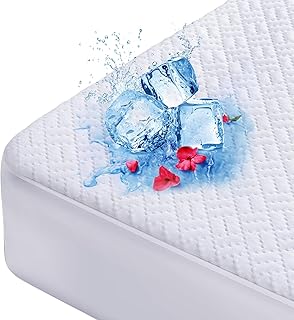
Waterproof protectors are usually where cooling goes to die, but the 3D air-fabric layer here maintains real airflow while staying quiet and crinkle-free. It’s the right pick for kids’ beds, guest rooms, and anyone protecting a warranty without sacrificing temperature.
B10 Bed Cooling System (Twin)
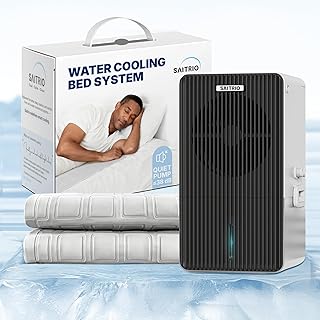
Actively dropping the surface 7–12°F puts this in a different league from any passive pad, and the four-speed remote lets you dial back as the night cools. For serious night sweats on a modest budget, it’s the most effective option on this list — just accept the equipment on your nightstand.
Frequently Asked Questions
Do passive cooling pads actually work, or is it just marketing?
They work within limits. PCM and Arc-Chill fabrics genuinely conduct heat away from skin and shorten sleep onset, but their capacity is finite — they buy you comfort at bedtime and through early sleep, not eight hours of active refrigeration.
Will a cooling pad help if my memory foam mattress is the problem?
Yes, and this is one of its best uses. A breathable pad creates a buffer between you and a heat-retaining foam core, though a thicker air-permeable topper will do more than a thin protector alone.
Are active cooling systems like the SAITRIO Air1 worth the extra cost?
If you wake up sweating rather than merely warm, yes. Hydro-powered designs like the Air1 sit ultra-thin under a fitted sheet and remove heat continuously, which no fabric can match — and partners who prefer different temperatures often find them worth it on their own.
Can I use a cooling pad with an electric blanket or heated mattress pad?
Don’t layer them. Combining heating and cooling elements is a fire and warranty risk, and seasonal swapping is the safer approach.
Final Thoughts
For most hot sleepers, the Elegear Arc-Chill 3.0 pad is the smartest first move — immediate cooling, easy care, no hardware. If back pain shares the bed with your overheating, the Niagara bamboo-rayon pillow top is the better-balanced buy, and if night sweats are waking you regularly, skip straight to the B10 cooling system and let active circulation do what fabric can’t.