Side sleeping concentrates your body weight onto two narrow pressure zones — the shoulder and the hip — which is why most sleepers on their side end up chasing a topper that cushions deeply. The trouble is that deep cushioning and cool sleeping tend to work against each other. Thick foam cradles the joints beautifully, then traps the metabolic heat your body sheds during the first sleep cycle, and you wake at 3 a.m. flipping the pillow. Add a bed partner radiating their own warmth a few inches away, and the problem compounds.
This guide approaches the problem the way I would in a sleep consultation: identify how much sinkage your shoulder actually needs, then choose a surface material and construction that moves heat and moisture away instead of holding it. Below you’ll find the toppers worth considering in 2026, a practical selection framework, and answers to the questions side sleepers ask most often. Every pick balances pressure relief against airflow rather than maximizing one at the expense of the other.
Our top picks


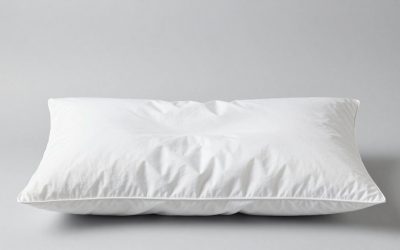
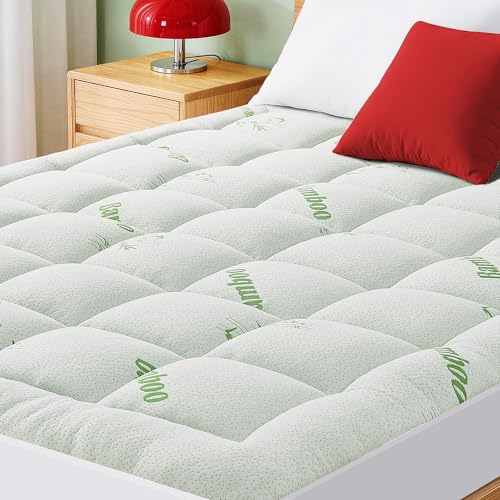 Mattress Pad Queen Size
- VISCOSE MADE FROM BAMBOO, COOLING SOFT - Made…
- FLUFFY FILLING, NO SHIFTING - Our pad filled…
- Made with viscose made from bamboo, our mattress…


As an Amazon Associate we earn from qualifying purchases at no extra cost to you.
🛒 Best Price Today on Amazon
Prime members get fast, free shipping on everything above, plus member-only deals. New members get a 30-day free trial — cancel anytime.
How to Choose a Cooling Mattress Topper For Side Sleepers (2026)
- Loft and sinkage: Side sleepers generally need 2–3 inches of give so the shoulder can drop and the spine stays level from neck to tailbone. Quilted pillow-top pads offer 1.5–2 inches of plush cushioning; solid foam slabs at 3 inches give deeper contouring for heavier frames or noticeably firm mattresses.
- Surface fiber over marketing claims: Rayon and viscose derived from bamboo genuinely outperform standard polyester on moisture transport, which is what actually makes a surface feel cool against skin. A cover that wicks sweat away beats one that merely feels cold for the first ninety seconds.
- Heat pathways in the fill: Ventilation holes, gel infusion, and open-cell structures all reduce heat retention in memory foam, but none eliminate it entirely. If you run genuinely hot, fiber-filled quilted construction breathes more freely than any solid foam block.
- Pocket depth and anchoring: Measure your mattress before ordering. A skirt rated 6–18 inches will float loosely on a 10-inch bed, and a topper that shifts overnight creates ridges exactly where your hip lands. Look for elasticated deep pockets in the 8–21 inch range if you use a thick hybrid.
- Washability and protection: Side sleepers perspire into a concentrated area. A machine-washable pad — or a waterproof model if you have children, pets, or night sweats — extends the useful life of both the topper and the mattress underneath.
The Best Cooling Mattress Topper For Side Sleepers (2026)s Reviewed
Niagara Sleep Solution Ultra Soft & Cooling Topper
The rayon-from-bamboo surface here is the standout: it draws moisture off the skin quickly, which is the mechanism that keeps a sleep surface feeling neutral rather than clammy through the night. The pillow-top loft is generous enough to soften a firm mattress at the shoulder, and the 20-inch pocket handles even tall pillow-top beds without straining the seams.
DOWNCOOL Waterproof Bamboo Viscose Topper
This is the pick for anyone who needs a moisture barrier without the crinkle and heat trap of a typical vinyl-backed protector — the waterproof membrane sits beneath a breathable viscose face fabric. The memory foam pillow-top gives real contouring at the hip, so it suits side sleepers on a mattress that has grown too firm rather than too soft.
Extra Thick Quilted Bamboo Viscose Topper
Notably plush construction, and the extra quilted thickness is what side sleepers with broader shoulders usually need to avoid that pinched, propped-up feeling. Airflow through the quilted fill is better than a solid foam equivalent, making it a sensible compromise for hot sleepers who still want cushioning.
SLEEP ZONE Zoned Cooling Mattress Topper
The zoned padding is the intelligent feature here: firmer support under the lumbar region with softer zones where the shoulder and hip press in, which addresses side-sleeper alignment more directly than uniform padding does. It runs thinner than the pillow-top options, so treat it as a comfort-and-protection layer rather than a fix for a genuinely too-firm bed.
BEDLORE Bamboo Viscose Pillow Top Pad
Thick, soft, and fitted with stretchable pockets that grip well across a 6–18 inch range, this one stays put — an underrated quality when your hip is pressing into the same spot for hours. The breathable viscose cover keeps surface temperature stable, and the loft is well judged for average-frame side sleepers wanting added cushioning without losing support.
Frequently Asked Questions
How thick should a topper be for side sleeping?
Two to three inches suits most side sleepers. Below two inches you get comfort and protection but little change in pressure relief; above three inches you risk sinking far enough that the mattress support beneath stops contributing and your spine sags.
Do cooling toppers actually work, or is it marketing?
Both, depending on the product. Genuine cooling comes from moisture management and airflow — wicking fibers, ventilated or gel-infused foam, breathable quilted fill. What doesn’t hold up is the expectation of an actively cold surface; the realistic goal is a surface that stays temperature-neutral instead of building up heat.
Will a topper fix shoulder pain from side sleeping?
It often helps considerably, because shoulder pain in side sleepers usually stems from a surface too firm to let the shoulder drop. Pair the topper with a pillow of the right height, though — a plusher bed changes the gap between your head and the mattress, and an over-lofted pillow will simply move the strain to your neck.
Can I put a cooling topper on a memory foam mattress?
Yes, and it’s a common way to add breathability to a foam bed that sleeps warm. Choose a quilted fiber pad rather than another foam layer so you’re introducing airflow rather than stacking two heat-retaining materials.
Final Thoughts
For most side sleepers, the Niagara Sleep Solution topper is the strongest all-round choice — the bamboo-derived surface handles moisture properly and the loft is well matched to shoulder-and-hip pressure relief. If you need waterproofing without sacrificing breathability, the DOWNCOOL is the smarter buy, and sleepers who want targeted alignment support over sheer plushness should look at the SLEEP ZONE zoned pad.