Most people who shop for a massage chair aren’t chasing luxury — they’re chasing sleep. They come home with a spine that has been compressed by ten hours of sitting, a knot under the shoulder blade that won’t release, and a nervous system still running at commuter speed. Then they lie down and wonder why their brain won’t switch off. Muscular tension and sleep onset are tightly linked: when the paraspinal muscles stay contracted, the body reads that signal as vigilance, and vigilance is the opposite of sleep pressure. The frustration is that the fix is usually mechanical, not medical, and a good chair does mechanically what your body can’t do for itself at 9 p.m.
The trouble is that the category has become almost impossible to read. Track lengths, airbag counts, “4D” claims and voice assistants are stacked into product titles until the specifications that actually affect your back and your sleep get buried. This guide sorts that out. Below you’ll find the models worth considering in 2026, a short list of the specs that genuinely matter, honest notes on who each chair suits, and answers to the questions that come up most often once the box is open.
Our top picks
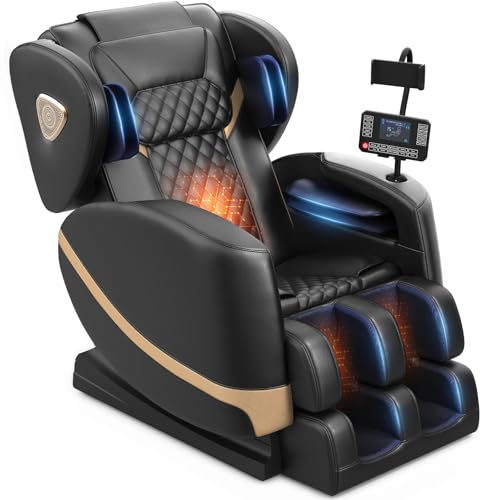 Massage Chair Full Body
- [FULL BODY MASSAGE CHAIR] Designed with input from…
- [14 SHIATSU ROLLERS]: This massage chairs full body…
- [DEEP TISSUE MASSAGE]: For targeted full body coverage,…


As an Amazon Associate we earn from qualifying purchases at no extra cost to you.
🛒 Best Price Today on Amazon
Prime members get fast, free shipping on everything above, plus member-only deals. New members get a 30-day free trial — cancel anytime.
How to Choose a Back Massage Chair in 2026
- Track shape and length: An SL-track follows the natural S-curve of the spine down into the glutes, which is where most lower-back tension actually terminates. Look for 53 inches or more — the 57-inch tracks reach further into the lumbar and sacral region, while shorter L-tracks stop before the work is finished.
- Roller depth over roller count: A chair advertising 14 fixed rollers isn’t necessarily beating a 4D mechanism with fewer heads. 4D means the rollers vary their protrusion and rhythm, so pressure can be dialled down for a light pre-bed session or driven deeper for a stubborn trapezius. Fixed-roller chairs are simpler and often more affordable, but you get one intensity profile.
- Targeted heat, not ambient heat: Lumbar and calf heating raises local tissue temperature, which improves tissue extensibility and helps trigger the peripheral vasodilation that precedes sleep onset. Whole-seat warming without zone control is far less useful, and heat that can’t be switched off will keep you awake in summer.
- Zero gravity that actually reclines far enough: A 160-degree recline redistributes body weight so the spine is unloaded and the roller pressure lands evenly instead of concentrating on whatever your posture pushes forward. If a chair calls itself zero gravity but only reaches 130 degrees, you’re getting a marketing term, not the biomechanics.
- Footprint, wall clearance and assembly: Measure the depth you’ll need when the chair is fully reclined, not when it’s upright. Several 2026 models ship pre-assembled, which matters more than buyers expect — these units are heavy, and a two-person build in a narrow hallway is a genuinely bad evening.
The Best Back Massage Chairs Reviewed
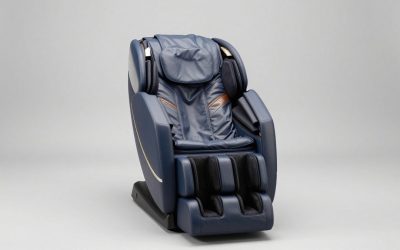
4D Full Body Massage Chair, 53.5″ SL-Track
The most capable back-focused option here: adjustable 4D depth over an extended SL-track means you can run a firm shiatsu session for chronic tightness or a gentle pass for winding down. Core heating and 22 airbags round out a chair that suits people with real, persistent back complaints rather than occasional stiffness.
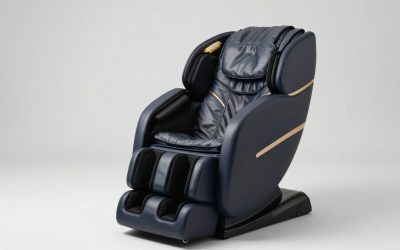
4D Zero Gravity Recliner, 57.1″ SL-Track
The longest track in this group, and the one I’d point toward for sacral and glute tension that other chairs simply can’t reach. The 40 airbags deliver broad compression across the arms and legs, though the voice control is a convenience feature rather than a reason to buy.
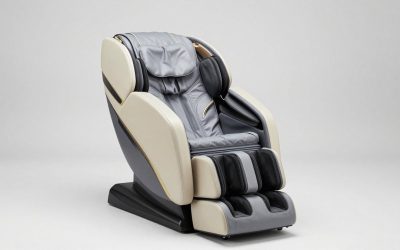
TLIFE Full Body 160° Zero Gravity SL-Track
A well-judged all-rounder: genuine 160-degree recline, body scan to map roller travel to your torso length, and lumbar plus calf heat. The no-assembly delivery and straightforward touchscreen make it the easiest recommendation for older users or anyone who doesn’t want to learn a menu system.
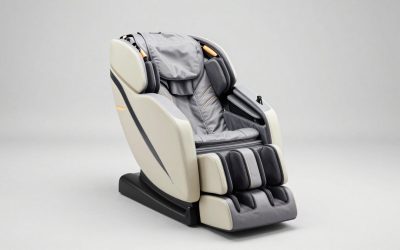
Culanta Full Body 53″ SL-Track Shiatsu
Culanta’s dual armrest-and-pad controls are more thoughtful than they sound — you can adjust intensity mid-session without sitting up and undoing the relaxation you just built. Six techniques and zoned heat over a 53-inch track cover the essentials with no wasted complexity.
FURNIMAT Zero Gravity Recliner, 2026 Version
Fourteen shiatsu rollers with heat and foot massage at a friendlier price point, aimed squarely at neck and upper-back pain. Fixed rollers mean fixed intensity, so try to gauge whether firm pressure suits you before committing.
Frequently Asked Questions
How long before bed should I use a massage chair?
Aim for 60 to 90 minutes before you intend to sleep, using a lighter programme with heat. That window lets core body temperature drift downward after the warming session, which is the physiological cue that supports sleep onset. Intense deep-tissue work immediately before bed can be stimulating rather than sedating.
Can I fall asleep in the chair overnight?
Napping through a programme is common and harmless, but these chairs aren’t designed as beds and most auto-shutoff after 15 to 30 minutes. Sleeping a full night semi-reclined tends to leave the neck unsupported and the back stiffer than when you started.
Are 4D chairs worth the extra cost?
If you have chronic back pain or several people of different builds using one chair, yes — adjustable depth is the single most useful upgrade. For general relaxation and mild stiffness, a good SL-track fixed-roller chair delivers most of the benefit.
Should I use one if I have a diagnosed spinal condition?
Check with your clinician first. Massage chairs are generally unsuitable during acute flare-ups, and conditions such as osteoporosis, disc herniation, recent surgery or pregnancy warrant specific guidance before you use roller pressure or heat.
Final Thoughts
For serious, long-standing back tension the 57.1-inch 4D zero gravity recliner offers the most spinal coverage of anything on this list, with the 53.5-inch 4D SL-track chair a close and slightly more compact alternative. If your priority is a chair that arrives ready to use and works reliably as part of an evening wind-down routine, the TLIFE 160-degree SL-track model is the smartest balance of comfort, heat placement and simplicity — and consistency, more than specification, is what actually improves how you sleep.