Key takeaways
- Track length and shape: An SL-track that runs 53 to 55 inches follows the natural S-curve of your spine and continues under the seat to the glutes, where a huge amount of sitting-related tension accumulates. Shorter tracks stop at the tailbone and leave that area untouched.
- 4D versus 3D rollers: 3D rollers adjust depth; 4D rollers also vary rhythm and speed, which produces a slower, more kneading sensation. For evening use, that variable tempo matters — a monotonous mechanical rhythm keeps the brain alert, while irregular, hand-like pressure invites it to switch off.
- Targeted heat placement: Look for heat in the lumbar region and calves rather than a single vague back pad. Warming the periphery encourages blood to move outward from the core, and that gentle drop in core temperature is one of the most reliable physiological triggers for sleep onset.
- Fit before features: Body scan is standard now, but scanning cannot compensate for a frame that is too short. If you are over six feet, prioritize extendable calf rests and taller backrests over airbag counts. A chair that pinches your knees will never relax you.
- Quiet operation and simple controls: Compressor noise and a bright touchscreen both work against a wind-down routine. Favor chairs with dimmable screens, voice or app control, and a genuinely quiet air pump so you can use them in a dark room without re-engaging your visual system.
Most people shopping for a massage chair are not chasing luxury — they are chasing sleep. After a decade of working with clients on sleep hygiene and evening wind-down routines, I can tell you the pattern is remarkably consistent: the body is exhausted, but the nervous system is still running at office speed. Shoulders stay bunched, the lower back aches from eight hours of sitting, and the mind keeps replaying the day. That mismatch between physical fatigue and neurological arousal is what keeps people staring at the ceiling at 11:40 p.m. A well-chosen chair is one of the few pieces of home equipment that can reliably shift the body toward parasympathetic dominance — the “rest and digest” state that precedes real sleep.
The trouble is that the sub-$3000 category has exploded, and spec sheets have become an arms race of airbag counts and mode numbers that tell you very little about how a chair actually feels at the end of a long day. This guide cuts through that. Below you will find the features that genuinely matter for recovery and sleep quality, followed by honest assessments of the strongest full-body 4D and 3D chairs currently available under $3000 — including which body types and complaints each one suits best.
Our top picks




As an Amazon Associate we earn from qualifying purchases at no extra cost to you. Ratings are shown as listed on Amazon.
🛒 Best Price Today on Amazon
Prime members get fast, free shipping on everything above, plus member-only deals. New members get a 30-day free trial — cancel anytime.
How to Choose a Massage Chair Under $3000 (2026)
- Track length and shape: An SL-track that runs 53 to 55 inches follows the natural S-curve of your spine and continues under the seat to the glutes, where a huge amount of sitting-related tension accumulates. Shorter tracks stop at the tailbone and leave that area untouched.
- 4D versus 3D rollers: 3D rollers adjust depth; 4D rollers also vary rhythm and speed, which produces a slower, more kneading sensation. For evening use, that variable tempo matters — a monotonous mechanical rhythm keeps the brain alert, while irregular, hand-like pressure invites it to switch off.
- Targeted heat placement: Look for heat in the lumbar region and calves rather than a single vague back pad. Warming the periphery encourages blood to move outward from the core, and that gentle drop in core temperature is one of the most reliable physiological triggers for sleep onset.
- Fit before features: Body scan is standard now, but scanning cannot compensate for a frame that is too short. If you are over six feet, prioritize extendable calf rests and taller backrests over airbag counts. A chair that pinches your knees will never relax you.
- Quiet operation and simple controls: Compressor noise and a bright touchscreen both work against a wind-down routine. Favor chairs with dimmable screens, voice or app control, and a genuinely quiet air pump so you can use them in a dark room without re-engaging your visual system.
The Best Massage Chairs Under $3000 (2026) Reviewed
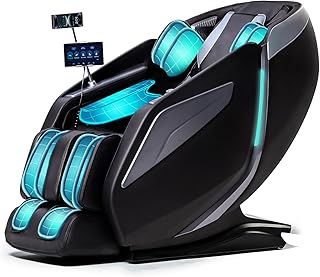
MT398 4D Full Body Massage Chair, 55″ SL Track
This is the most complete package in the group for anyone whose primary complaint is lower-back stiffness: the 55-inch track plus combined lumbar and calf heating hits exactly the two zones that matter for downshifting at night. Voice control is genuinely useful here, since you can adjust intensity without opening your eyes or fumbling for a remote.
4D Zero Gravity SL-Track Shiatsu Recliner with Core Heating
With 20 techniques and a deep yoga stretch sequence, this is the chair for people who feel physically compressed rather than sore — desk workers, drivers, and anyone who has lost mobility through the hips and thoracic spine. The core heating is noticeably more focused than typical back pads, which suits chronic tension rather than casual use.
4D 53″ SL Track Recliner with Body Scan and Bluetooth
A well-balanced mid-category option that pairs back and calf heat with a competent shiatsu foot roller and clear HD controls. The 53-inch track is slightly shorter than the flagships, making it a sensible pick for average-height users and smaller rooms without giving up glute coverage.
3D SL-Track Shiatsu with Rocking Sleep Mode
The rocking sleep mode is not a gimmick — slow rhythmic motion has a measurable calming effect on the vestibular system, which is precisely why it works on infants and, frankly, on adults too. Add the extended calf and knee section and this becomes my default recommendation for taller users who want a sleep-first chair rather than a deep-tissue machine.
FURNIMAT Full Body Zero Gravity Recliner (2026 Version)
With 14 shiatsu rollers, 10 airbags, and five straightforward auto modes, this is the least intimidating chair on the list — an advantage if it will be shared by a household with mixed tolerance for intensity. It trades 4D nuance for reliability and ease of use, and does so at the friendliest end of the range.
Frequently Asked Questions
Can I actually fall asleep in a massage chair?
Many people do, and short chair naps are generally harmless. For overnight sleep, though, a bed remains better for spinal alignment and thermoregulation — use the chair as the transition, not the destination.
How long should a session last?
Fifteen to twenty minutes is the sweet spot, and most chairs default to that for good reason. Longer sessions at high intensity can leave muscles inflamed and sore, which is counterproductive an hour before bed.
Is zero gravity worth prioritizing?
Yes. Elevating the legs above the heart reduces spinal load and eases venous return, and the resulting sense of weightlessness makes roller pressure feel deeper without increasing intensity.
Will a chair under $3000 hold up long term?
Increasingly, yes — the mechanics in this bracket now mirror what cost twice as much a few years ago. Longevity depends more on upholstery care, avoiding overuse at maximum intensity, and registering your warranty than on price alone.
Final Thoughts
If sleep quality is your main motivation, the 3D SL-Track model with rocking sleep mode is the most purpose-built choice here, especially for taller users. For broader recovery from chronic lower-back tension, the MT398 55-inch 4D chair offers the strongest combination of track length and targeted heat, while the FURNIMAT 2026 version remains the most sensible entry point for households that value simplicity over specification.