Key takeaways
- Replacement vs. add-on: A full T-square system (new rails, new head, new fence) fixes drift and deflection at the source but requires drilling and alignment. An extension-style fence clamps or bolts to your existing fence and adds length, tracks, and accessory mounting without touching the rails. Diagnose whether your problem is the mechanism or the face before you buy.
- Rip capacity you’ll actually use: 30 inches handles a full sheet ripped to a cabinet side; 50-plus inches lets you break down plywood on the saw without a helper. Long rails need a matching extension wing and outfeed support, and they add roughly two feet to your saw’s footprint — measure your shop before you commit.
- Lock repeatability: The number that matters is whether the fence lands in the same place twice. Look for a cam-over lock that clamps front and rear, and check that the head registers against a machined rail rather than a rolled edge. Anything that shifts when you lean on it will show up in your case sides.
- T-track and accessory integration: Multiple T-slots let you mount featherboards, stop blocks, and hold-downs where you need them instead of where the fence allows. Kits that ship with featherboards included generally cost less than buying the fence and hardware separately, and the mounting geometry is already sorted out.
- Special modes: High/low fence positions let you rip thin stock safely with a push stick clearing the fence. An L-fence configuration supports edge jointing and thin ripping without trapping the offcut against the blade. If you build small parts, these features earn their keep quickly.
What's inside
Most woodworkers blame their saw when a rip cut wanders, but the blade is rarely the culprit. The fence is. Factory fences on contractor and jobsite saws are typically stamped steel riding on a single rail, and after a few hundred cuts they develop the three flaws that ruin joinery: deflection under hand pressure, drift out of parallel when locked, and a face that isn’t quite square to the table. You compensate by pushing harder, feeding slower, and cleaning up every edge at the jointer — which is a lot of work to fix a problem that costs less than a decent router bit to solve permanently.
An aftermarket fence system replaces the rails, the fence body, or both, and turns a mediocre saw into one that cuts repeatable, glue-ready edges. This guide covers the systems worth installing in 2026, from full T-square rail upgrades for cabinet and hybrid saws to bolt-on extension fences that add capacity, T-track, and integrated featherboards to the fence you already own. We look at rip capacity, lock repeatability, squareness of the fence face, and how much fitting work each kit actually demands once the box is open.
As an Amazon Associate we earn from qualifying purchases.


🛒 Best Price Today on Amazon
Prime members get fast, free shipping on everything above, plus member-only deals. New members get a 30-day free trial — cancel anytime.
How to Choose an Aftermarket Table Saw Fence System (2026)
- Replacement vs. add-on: A full T-square system (new rails, new head, new fence) fixes drift and deflection at the source but requires drilling and alignment. An extension-style fence clamps or bolts to your existing fence and adds length, tracks, and accessory mounting without touching the rails. Diagnose whether your problem is the mechanism or the face before you buy.
- Rip capacity you’ll actually use: 30 inches handles a full sheet ripped to a cabinet side; 50-plus inches lets you break down plywood on the saw without a helper. Long rails need a matching extension wing and outfeed support, and they add roughly two feet to your saw’s footprint — measure your shop before you commit.
- Lock repeatability: The number that matters is whether the fence lands in the same place twice. Look for a cam-over lock that clamps front and rear, and check that the head registers against a machined rail rather than a rolled edge. Anything that shifts when you lean on it will show up in your case sides.
- T-track and accessory integration: Multiple T-slots let you mount featherboards, stop blocks, and hold-downs where you need them instead of where the fence allows. Kits that ship with featherboards included generally cost less than buying the fence and hardware separately, and the mounting geometry is already sorted out.
- Special modes: High/low fence positions let you rip thin stock safely with a push stick clearing the fence. An L-fence configuration supports edge jointing and thin ripping without trapping the offcut against the blade. If you build small parts, these features earn their keep quickly.
The Best Aftermarket Table Saw Fence Systems (2026) Reviewed
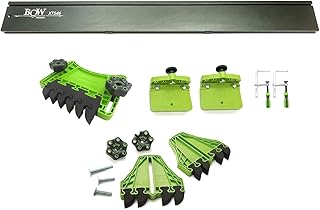
BOW Products Ultimate Table Saw XTENDER & Safety Kit
The 46-inch XT XTENDER bolts onto an existing fence and turns it into a long, dead-flat auxiliary face with eight feet of usable T-track, plus support feeds that stop the fence from tipping under a wide panel. The bundled FeatherPRO and FencePRO featherboards make this the most complete safety-plus-accuracy package here for a cabinet or hybrid saw you don’t want to re-rail.
Delta T3 Fence System, 30 in.
A genuine T-square replacement with cast head, machined rails, and a lock that returns to the same reading cut after cut — this is the upgrade that fixes drift rather than masking it. Thirty inches of rip is the sweet spot for shops that build furniture rather than break down full sheets.
O’SKOOL Table Saw Rip Fence System, 46 in.
Eight T-slots and three configurations (high, low, and L-fence) make this the most versatile extension kit for thin ripping and edge jointing, and the included featherboards cover the setups most people actually use. Fit and finish trail the Delta systems slightly, but the value is hard to argue with.
Peachtree Uni Style Table Saw Fence with Sacrificial Face
The replaceable sacrificial face is the real selling point: you can run the fence into a dado blade or bury a bit without ruining anything expensive. A sensible choice for shops doing repetitive rabbets and grooves.
BOW Products Ultimate Jobsite Saw XTENDER & Safety Kit
Same 46-inch XTENDER platform tuned for portable saws, with a dedicated FP5 featherboard sized for jobsite fence profiles. If your DeWalt or SawStop jobsite saw is your only saw, this is the fastest route to cabinet-saw cut quality.
Frequently Asked Questions
Will an aftermarket fence fit my saw?
Full rail systems are model-specific — the Delta T3 kits are built for Delta contractor and 5000 Series tables, and mounting holes rarely line up on other brands without drilling. Extension fences are far more forgiving because they clamp to whatever fence you already have.
How do I align a new fence?
Set the miter slot as your reference, not the table edge. Square the blade to the slot first, then adjust the fence head so the face reads identical front and back with a dial indicator or a known-good combination square. Toe the outfeed end two or three thousandths away from the blade if your saw is prone to burning.
Do I still need a featherboard with a better fence?
Yes. A good fence controls where the stock goes; a featherboard keeps it pressed there and resists kickback if you lose grip. The kits that include them are bundling a genuine safety improvement, not a throw-in.
Is a 50-inch rail worth it in a small shop?
Only if you have the run-off room to the right of the blade and an outfeed table. Otherwise you gain capacity you can’t use and lose walking space. Most furniture makers are better served by 30 inches of rip plus a track saw for sheet goods.
Final Thoughts
For most furniture shops, the BOW Products Ultimate Table Saw XTENDER kit delivers the biggest accuracy gain per dollar because it upgrades the fence face, adds T-track, and includes the featherboards you should already be using. If your fence mechanism itself is the problem, the Delta 30 in. T3 System is the honest fix — a real T-square that locks parallel every time. Jobsite saw owners should go straight to the BOW Ultimate Jobsite XTENDER kit for the same benefits in a portable-friendly package.