Key takeaways
- Fiber over foam: Cotton and bamboo-derived rayon or viscose wick perspiration away and let air pass through; solid memory foam does the opposite. If a topper uses foam, make sure it’s gel-infused, perforated, or confined to a thin support layer beneath a breathable cover.
- Loft with a purpose: Two to three inches of pillow-top fill cushions hips and shoulders without swallowing you. Deeper isn’t automatically better — the more material surrounding your body, the less surface area is free to release heat.
- Pocket depth you’ve measured: Check your mattress height including any protector, then buy a skirt that clears it. A 20-inch deep pocket handles almost any modern build; shallow elastic on a thick mattress means constant corner pops and bunching.
- Quilting pattern and fill weight: Tight box or diamond stitching keeps fill from migrating into lumps after a few washes. Ask about GSM if it’s listed — mid-weight fill breathes better than an overstuffed panel.
- Waterproofing trade-off: A membrane protects the mattress but adds a heat barrier. If you need it for kids, pets, or night sweats, choose a design that pairs the barrier with a bamboo-derived face fabric rather than plain polyester.
What's inside
Overheating at night isn’t a comfort preference — it’s a physiological roadblock. Core body temperature has to drop roughly one to two degrees Fahrenheit for sleep to consolidate properly, and anything that traps that heat against your skin works directly against the process. That’s why so many hot sleepers describe the same pattern: falling asleep fine, then surfacing at 2 or 3 a.m. damp, restless, and unable to settle again. In most of the bedrooms I’ve assessed, the culprit isn’t the thermostat or the pajamas. It’s a dense, heat-hoarding sleep surface — usually memory foam — with nowhere for warmth or moisture to go.
A well-chosen topper is the cheapest meaningful fix available. Swap the layer closest to your body for something breathable and moisture-moving, and you change the microclimate at the skin without replacing a mattress. Below I’ve gathered the toppers I’d actually point a hot sleeper toward this year, followed by the specifications that matter, honest notes on each pick, and answers to the questions I hear most often in consultations.
As an Amazon Associate we earn from qualifying purchases.


🛒 Best Price Today on Amazon
Prime members get fast, free shipping on everything above, plus member-only deals. New members get a 30-day free trial — cancel anytime.
How to Choose a Mattress Topper For Hot Sleepers (2026)
- Fiber over foam: Cotton and bamboo-derived rayon or viscose wick perspiration away and let air pass through; solid memory foam does the opposite. If a topper uses foam, make sure it’s gel-infused, perforated, or confined to a thin support layer beneath a breathable cover.
- Loft with a purpose: Two to three inches of pillow-top fill cushions hips and shoulders without swallowing you. Deeper isn’t automatically better — the more material surrounding your body, the less surface area is free to release heat.
- Pocket depth you’ve measured: Check your mattress height including any protector, then buy a skirt that clears it. A 20-inch deep pocket handles almost any modern build; shallow elastic on a thick mattress means constant corner pops and bunching.
- Quilting pattern and fill weight: Tight box or diamond stitching keeps fill from migrating into lumps after a few washes. Ask about GSM if it’s listed — mid-weight fill breathes better than an overstuffed panel.
- Waterproofing trade-off: A membrane protects the mattress but adds a heat barrier. If you need it for kids, pets, or night sweats, choose a design that pairs the barrier with a bamboo-derived face fabric rather than plain polyester.
The Best Mattress Toppers For Hot Sleepers (2026) Reviewed
Niagara Sleep Solution Ultra Soft & Cooling Topper (Bamboo, Queen)
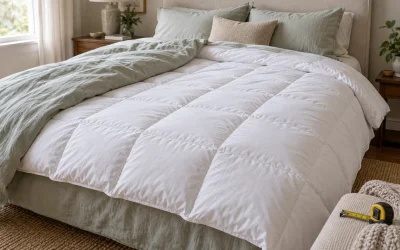
The rayon-from-bamboo face fabric here has that cool-to-the-touch quality that genuinely registers when you first lie down, and the 20-inch pocket means it stays put on tall hybrid builds. This is my default recommendation for someone who runs hot and also wants noticeable pressure relief at the hips.
Cotton Extra Thick Pillow Top Mattress Pad (Queen)
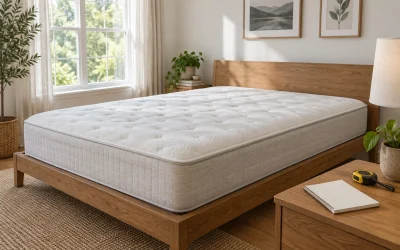
A 100% cotton top is the most reliably breathable surface you can put under yourself, and this one delivers a plush pillow-top feel without the sink-in warmth of foam. Best suited to sleepers who want extra softness on a firm mattress while keeping airflow high.
Niagara Sleep Solution 100% Cotton Top Cooling Topper (Queen)
Essentially the cotton counterpart to the bamboo version above, with the same generous deep pocket and a cloud-like loft that flattens less than most in this price range. Choose this if you prefer a crisp, dry natural-fiber feel over the slicker hand of bamboo viscose.
DOWNCOOL Waterproof Bamboo Topper (Queen)
Rare combination: a fully waterproof barrier paired with a viscose-from-bamboo pillow top, so you get spill protection without the clammy plastic sensation. Expect slightly less breathability than a non-waterproof pick — a fair exchange if night sweats or a child’s accidents are the actual problem.
BEDLORE Bamboo Pillow Top Topper (Queen)
The stretchable pockets fitting 6 to 18 inches make this the most forgiving option for odd mattress depths or a guest bed you’re not going to measure. Thick, soft, and quietly supportive, with a dark gray finish that hides wear better than white quilting.
Frequently Asked Questions
Does a topper make a mattress hotter?
It can — any added layer between you and the mattress affects heat transfer. Fiber-filled cotton or bamboo toppers generally sleep cooler than the foam surface underneath them, while solid memory foam toppers usually make things worse.
Is bamboo actually cooler than cotton?
Bamboo-derived rayon and viscose feel cooler on contact and move moisture slightly faster; cotton breathes exceptionally well and dries more comfortably over a full night. Both outperform polyester, so pick based on the hand-feel you prefer.
How thick should it be?
Two to three inches suits most hot sleepers. Go thinner if your mattress already feels right and you only want a cooler surface; go thicker only if you need real cushioning over a too-firm bed.
How do I wash it?
Cold or warm machine wash, gentle cycle, then tumble dry low with dryer balls to redistribute the fill. Skip fabric softener — it coats fibers and reduces wicking, which is the whole point.
Final Thoughts
For most hot sleepers, the Niagara Sleep Solution bamboo topper is the strongest all-around choice: cool to the touch, deep-pocketed, and plush enough to fix a firm mattress. Prefer natural fibers? The Niagara cotton-top version breathes beautifully and holds its loft. And if you need protection alongside cooling, the DOWNCOOL waterproof bamboo topper is the least stifling barrier option I’ve tested.