Key takeaways
- Thickness matched to your mattress: A 2–3 inch topper refines a mattress that’s still structurally sound; 4–5 inches is for beds that have gone too firm or developed a shallow hip dip. Thicker isn’t automatically better — too much soft loft over a sagging base lets the pelvis sink further.
- Density over plushness: Look for high-density or gel-infused foam rather than airy, low-density fill. Density is what maintains lumbar contact through the night; low-density foam bottoms out within an hour and leaves your back unsupported precisely when it matters.
- Sleep position: Side sleepers generally need deeper contouring at the shoulder and hip. Back and stomach sleepers benefit from firmer, shallower toppers that keep the lumbar spine from hyperextending into a soft surface.
- Heat management: Traditional memory foam traps warmth, and overheating fragments sleep — which measurably lowers pain tolerance the next day. Bamboo viscose covers, ventilated foam, and mesh side panels all help.
- Secure anchoring: A topper that slides creates uneven support and forces micro-adjustments all night. Four-way elastic straps or a deep-pocket fitted skirt sized to your actual mattress depth are non-negotiable.
What's inside
Waking up with a stiff, aching lower back is rarely about how long you slept — it’s usually about what your spine was doing during those hours. When a mattress has softened unevenly or was too firm to begin with, the pelvis tilts, the lumbar curve loses its support, and the small stabilizing muscles around the spine spend the night working instead of recovering. That’s why so many people feel worse at 7 a.m. than they did at 11 p.m., and why replacing a mattress outright often isn’t the first thing worth trying.
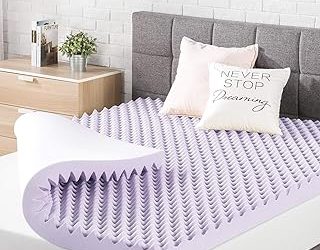
A well-chosen memory foam topper can redistribute pressure at the hips and shoulders while keeping the lumbar region cradled rather than collapsed — for a fraction of the cost of a new bed. This guide looks at the toppers most worth considering in 2026 for back pain specifically, covering thickness, density, cooling construction, and strap systems, plus honest notes on where each one fits (and where it doesn’t).
As an Amazon Associate we earn from qualifying purchases.




How to Choose a Memory Foam Mattress Topper For Back Pain (2026)
- Thickness matched to your mattress: A 2–3 inch topper refines a mattress that’s still structurally sound; 4–5 inches is for beds that have gone too firm or developed a shallow hip dip. Thicker isn’t automatically better — too much soft loft over a sagging base lets the pelvis sink further.
- Density over plushness: Look for high-density or gel-infused foam rather than airy, low-density fill. Density is what maintains lumbar contact through the night; low-density foam bottoms out within an hour and leaves your back unsupported precisely when it matters.
- Sleep position: Side sleepers generally need deeper contouring at the shoulder and hip. Back and stomach sleepers benefit from firmer, shallower toppers that keep the lumbar spine from hyperextending into a soft surface.
- Heat management: Traditional memory foam traps warmth, and overheating fragments sleep — which measurably lowers pain tolerance the next day. Bamboo viscose covers, ventilated foam, and mesh side panels all help.
- Secure anchoring: A topper that slides creates uneven support and forces micro-adjustments all night. Four-way elastic straps or a deep-pocket fitted skirt sized to your actual mattress depth are non-negotiable.
The Best Memory Foam Mattress Toppers For Back Pain (2026), Reviewed
WhatsBedding 5 Inch Memory Foam Topper (Queen)
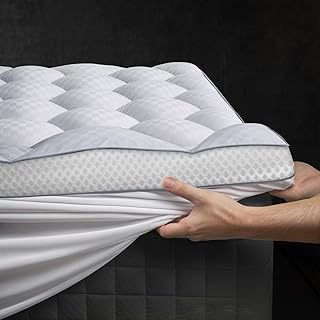
This is the option I’d point toward when a mattress has clearly aged out — five inches of foam plus a lofty pillow-top layer effectively rebuilds the comfort surface without a new bed. The soft upper stuffing suits side and combination sleepers; strict back sleepers may find it more yielding than they’d like.
SHOUREN 5 Inch Gel Memory Foam Topper (Queen)
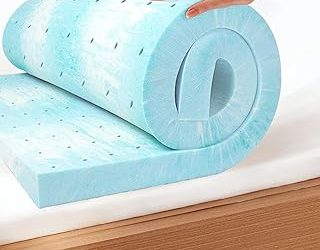
The most support-oriented of the thick picks: gel-infused foam gives firmer pushback under the hips, so pressure relief doesn’t come at the cost of spinal alignment. The four-way strap system is a genuine advantage, since a five-inch layer is exactly the kind that tends to creep out of position overnight.
Ultra-Fluffy 3 Inch Pillow-Top Topper (Queen)
A sensible middle path for a mattress that’s a little too firm rather than genuinely worn out, with breathable mesh side panels that keep the foam from becoming a heat trap. The 6–21 inch deep pocket also means it stays put on tall hybrid mattresses, which many toppers won’t manage.
SINWEEK 3 Inch Gel Memory Foam Topper (Queen)
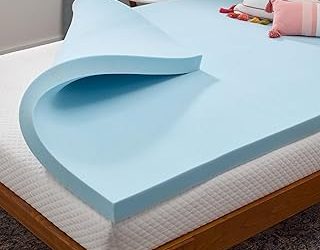
The most clinically straightforward choice here: ventilated high-density foam, CertiPUR-US certified, with no extra plush loft to muddy the support. Back and stomach sleepers who want firmer alignment — and a removable, washable cover — should start here.
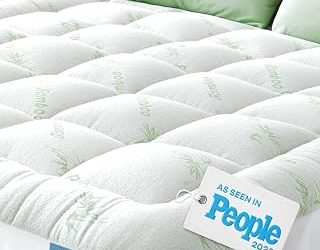
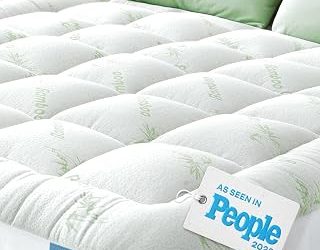
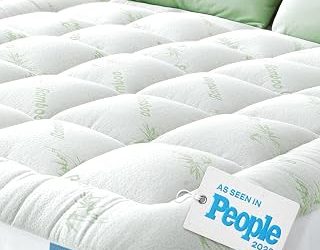
WhatsBedding 5 Inch Bamboo Viscose Topper (Full)
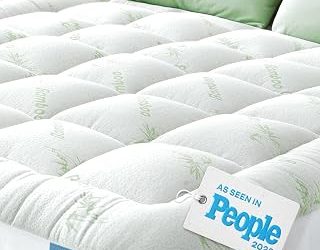
The same deep cushioning as the queen version, adapted for full-size beds and wrapped in a bamboo viscose air layer that handles moisture and warmth noticeably better than standard poly covers. A strong pick for warm sleepers who still need substantial thickness.
Frequently Asked Questions
Will a topper fix a sagging mattress?
It can mask mild softening, but not structural failure. If you can see a visible dip or feel springs, a topper will simply follow that contour — replace the mattress instead.
How firm should a topper be for back pain?
Medium-firm suits most people. Research on chronic low back pain consistently favors medium-firm surfaces over very firm ones, which reduce contact area and increase pressure at the hips and shoulders.
How long before my back feels better?
Allow two to four weeks. Foam needs a few nights to fully expand, and your body needs an adjustment period as postural habits shift — early stiffness isn’t necessarily a bad sign.
Do memory foam toppers sleep hot?
Older formulations did. Gel infusions, ventilation channels, mesh side panels, and bamboo viscose covers have largely addressed this, though very thick toppers still retain more heat than thin ones.
Final Thoughts
For most back-pain sufferers, the SINWEEK 3 Inch Gel Topper offers the best balance of firm, high-density support and value, while the SHOUREN 5 Inch Gel Topper is the stronger answer for an aging mattress that needs real rebuilding. Warm sleepers who want deep cushioning without the heat should look to the WhatsBedding 5 Inch Bamboo Viscose model — and whichever you choose, give it a few weeks before judging the results.