Key takeaways
- Padding density over padding thickness: A thick layer of loose fiberfill compresses to nothing within months. High-density foam or firm sponge in the 1.5–3 inch range gives you genuine lumbar and cervical support when you sit upright, and it keeps its shape after thousands of leans.
- Height above the mattress, not total height: Measure your mattress plus any topper, then subtract that from the headboard’s stated height. You want at least 20–24 inches of usable panel above the sleep surface if you read, work, or nurse in bed. Adjustable-leg models let you dial this in after the fact.
- Mounting method: Bed-frame-mounted headboards move with the bed and suit renters who reposition furniture. Wall-mounted panels eliminate the gap where pillows disappear and cannot rock or knock, but they require studs and a permanent commitment to one wall.
- Fabric behavior, not just fabric name: Chenille and boucle feel plush but trap dust and body oils near the pillow line. Linen and tight-weave polyester breathe better and vacuum clean easily — worth prioritizing if you have allergies or sleep hot.
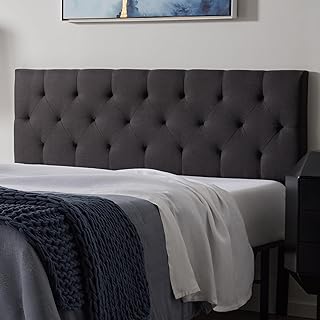
- Tufting depth: Deep diamond tufting is visually striking but creates seams that catch hair and crumbs. Shallow stitched tufting or a smooth curved panel is the lower-maintenance choice for a headboard you’ll actually touch nightly.
What's inside
Most people shopping for a padded headboard are actually shopping for a solution to something else: the crick in the neck after an hour of reading in bed, the cold plaster wall behind the pillows in winter, the drywall scuffs from years of pillows sliding upward. A headboard is one of the few bedroom purchases that touches both the look of a room and the mechanics of how you rest in it, which is why the wrong one gets noticed every single night — too short to lean against, too firm to be comfortable, or wobbling every time you shift your weight.
As a sleep-wellness consultant, I evaluate headboards the way I evaluate pillows: by support geometry, surface density, stability, and how well they hold up to daily contact. Below you’ll find the padded headboards I recommend for 2026, spanning adjustable-height budget models, wall-mounted king designs, and one classic wingback for anyone who wants the bedroom to feel finished. Each one is judged on lean-back comfort first and aesthetics second.
As an Amazon Associate we earn from qualifying purchases.


🛒 Best Price Today on Amazon
Prime members get fast, free shipping on everything above, plus member-only deals. New members get a 30-day free trial — cancel anytime.
How to Choose a Padded Headboard (2026)
- Padding density over padding thickness: A thick layer of loose fiberfill compresses to nothing within months. High-density foam or firm sponge in the 1.5–3 inch range gives you genuine lumbar and cervical support when you sit upright, and it keeps its shape after thousands of leans.
- Height above the mattress, not total height: Measure your mattress plus any topper, then subtract that from the headboard’s stated height. You want at least 20–24 inches of usable panel above the sleep surface if you read, work, or nurse in bed. Adjustable-leg models let you dial this in after the fact.
- Mounting method: Bed-frame-mounted headboards move with the bed and suit renters who reposition furniture. Wall-mounted panels eliminate the gap where pillows disappear and cannot rock or knock, but they require studs and a permanent commitment to one wall.
- Fabric behavior, not just fabric name: Chenille and boucle feel plush but trap dust and body oils near the pillow line. Linen and tight-weave polyester breathe better and vacuum clean easily — worth prioritizing if you have allergies or sleep hot.
- Tufting depth: Deep diamond tufting is visually striking but creates seams that catch hair and crumbs. Shallow stitched tufting or a smooth curved panel is the lower-maintenance choice for a headboard you’ll actually touch nightly.
The Best Padded Headboards of 2026, Reviewed
Tufted Beige Queen Headboard with Adjustable Solid Wood Legs
The 37-to-51-inch adjustment range is the widest here, which makes this the safest pick if you own a thick hybrid mattress or plan to add a topper later. Solid wood legs give it noticeably less flex than the particleboard-legged competition, and the button diamond pattern reads traditional without looking fussy.
Upgraded One-Piece Curved Chenille Headboard (Queen)
A one-piece construction means no center seam digging into your spine, and the gentle curve wraps slightly toward the sleeper — a small ergonomic detail that pays off during long reading sessions. Adjustable in both height and width, so it transitions between full and queen frames if your setup changes.
Furpopup Linen Upholstered Headboard (King/Cal King)
My top recommendation for larger beds: the high-density sponge core resists the flattening that plagues cheaper king panels, and the linen surface stays cool against bare shoulders. Dual wall-mount and frame-mount hardware makes it unusually adaptable for a panel this size.
Madison Park Amelia Wingback Headboard (Queen)
The wings do real work here, blocking drafts and lateral light while creating an enclosed, cocooning feel that many light sleepers respond well to. Nail-head trim and button tufting put it firmly in the “design statement” category, and the build quality justifies the step up in price.
Linen Stitched Tufted Queen Headboard, Gray
Stitched tufting instead of deep buttons means fewer crevices and a flatter, more supportive backrest — the one I point people toward when they specifically mention working from bed. The non-slip base design keeps it from creeping away from the wall, a common annoyance with lightweight adjustable models.
Frequently Asked Questions
Does a padded headboard actually improve sleep quality?
Indirectly, yes. It insulates against a cold exterior wall, reduces the noise reflection you get off bare drywall, and eliminates the pillow-gap that causes people to wake up reaching for support. It also makes upright reading comfortable enough that many people cut screen time before bed, which has a measurable effect on sleep onset.
Wall mount or bed frame mount — which is better?
Wall mounting is more stable, silent, and gap-free, and it’s the better choice for heavy king panels like the Furpopup. Frame mounting wins for renters, frequent rearrangers, and anyone who can’t locate studs at the right height. Models such as the Lucid Mid-Rise support both.
How do I clean upholstered headboards?
Vacuum the seams monthly with a brush attachment, then spot-clean with a barely damp microfiber cloth and a drop of mild detergent, blotting rather than rubbing. Avoid soaking the fabric — moisture trapped in foam is how headboards develop odor. A washable pillow protector behind your pillows dramatically reduces oil transfer.
What height should I choose for reading in bed?
Aim for a panel that rises 22 to 26 inches above your mattress surface, which supports the shoulders and lower neck rather than stopping at the mid-back. Adjustable options like the Lucid (34–46 inches) or the beige tufted queen (37–51 inches) let you fine-tune this once the bed is assembled.
Final Thoughts
For most bedrooms, the Tufted Beige Queen Headboard with adjustable solid wood legs offers the best combination of support, stability, and fit flexibility at a reasonable price. King-size sleepers should go with the Furpopup Linen Upholstered Headboard for its dense sponge padding and dual mounting options, while anyone prioritizing a finished, enveloping look will get years of comfort from the Madison Park Amelia wingback.