Key takeaways
- Thickness versus body weight: Two inches softens a firm surface without changing its geometry. Three inches genuinely rebuilds contour and is the better call for side sleepers, heavier sleepers, or a mattress that has already developed a body impression. Anything past four inches tends to swallow rather than support.
- Foam density, not marketing softness: Low-density foam collapses to the mattress underneath within months, which is why a topper can feel plush in week one and irrelevant by week twelve. Look for stated density figures and CertiPUR-US certification, which confirms low emissions and no ozone depleters or heavy metals.
- How the cooling actually works: Gel infusion absorbs heat until it saturates; ventilated or open-cell structures move air continuously. The strongest performers pair both, plus a breathable, removable cover. Sleepers who run genuinely hot should prioritize airflow architecture over gel branding.
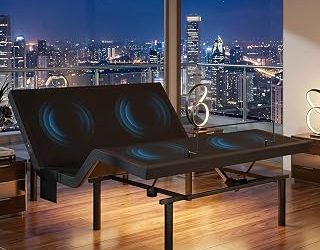
- Anchoring system: Foam slabs migrate. Elastic corner straps handle most beds; a fitted skirt with a deep pocket is essential for mattresses in the 14-to-21-inch range, and non-negotiable on adjustable bases.
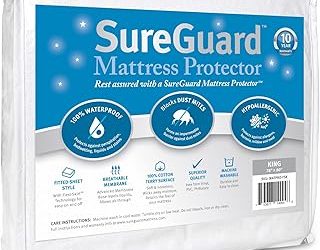
- Protection layer, if you need one: Memory foam cannot be laundered. If moisture is a realistic risk, plan on a waterproof quilted protector above the foam rather than hoping for a machine-washable miracle.
What's inside
Most people don’t shop for a memory foam mattress cover because they’re curious — they shop because something has gone wrong. The hips sink too far. The shoulders wake up sore. A mattress that felt like a cloud in the showroom has quietly compressed into a hammock, and replacing it outright costs more than a month of rent. A three-inch foam layer sits in the gap between “live with it” and “buy new,” and when it’s matched correctly to the sleeper, it can reset a bed’s entire feel overnight.
The catch is that “memory foam topper” describes a very wide range of products, from dense visco-elastic slabs engineered to distribute load to thin gel-dusted pads that flatten by spring. This guide separates the two. Below you’ll find the models worth spending on in 2026, what density and thickness actually do for your spine, how cooling technology holds up under a real body for eight hours, and which cover style you need if spills, kids, or dorm-issued mattresses are part of your equation.
As an Amazon Associate we earn from qualifying purchases.


How to Choose a Memory Foam Mattress Cover (2026)
- Thickness versus body weight: Two inches softens a firm surface without changing its geometry. Three inches genuinely rebuilds contour and is the better call for side sleepers, heavier sleepers, or a mattress that has already developed a body impression. Anything past four inches tends to swallow rather than support.
- Foam density, not marketing softness: Low-density foam collapses to the mattress underneath within months, which is why a topper can feel plush in week one and irrelevant by week twelve. Look for stated density figures and CertiPUR-US certification, which confirms low emissions and no ozone depleters or heavy metals.
- How the cooling actually works: Gel infusion absorbs heat until it saturates; ventilated or open-cell structures move air continuously. The strongest performers pair both, plus a breathable, removable cover. Sleepers who run genuinely hot should prioritize airflow architecture over gel branding.
- Anchoring system: Foam slabs migrate. Elastic corner straps handle most beds; a fitted skirt with a deep pocket is essential for mattresses in the 14-to-21-inch range, and non-negotiable on adjustable bases.
- Protection layer, if you need one: Memory foam cannot be laundered. If moisture is a realistic risk, plan on a waterproof quilted protector above the foam rather than hoping for a machine-washable miracle.
The Best Memory Foam Mattress Covers (2026) Reviewed
Tempur-Pedic TEMPUR-Adapt + Cooling 3-Inch Topper
This is the only topper on the list using proprietary TEMPUR material rather than generic visco-elastic foam, and the difference shows up in recovery: it contours slowly, holds alignment through position changes, and resists the shallow dished-out feel cheaper foam develops. The washable cover and medium profile make it the safest premium pick for chronic hip or lower-back complaints.
Saatva Graphite Memory Foam Topper
Graphite is a genuinely effective conductive filler, drawing heat laterally instead of storing it, and the organic cotton cover keeps the surface from feeling clammy. Add strong motion isolation and this is the standout for couples where one partner sleeps hot and the other wakes at every movement.
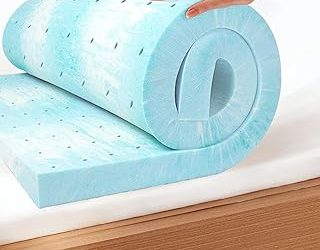
Lucid 3 Inch Memory Foam Topper
Lucid’s ventilated, gel-infused build delivers deep plush pressure relief at a fraction of the premium price, and the CertiPUR-certified foam is honest about what it is. Expect a pronounced sink-in feel — excellent for side sleepers, less ideal if you prefer sleeping on top of a surface rather than in it.
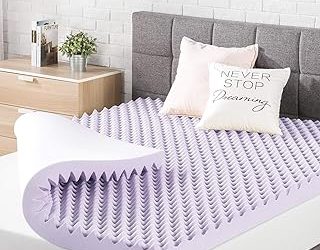
Best Price Mattress 3 Inch Ventilated Topper
The perforated core does real work here, keeping airflow moving through a thickness that would otherwise trap heat, and the value proposition for a queen is hard to argue with. It’s the sensible choice for guest rooms, dorm mattresses, and short-term setups where the mattress underneath is the actual problem.
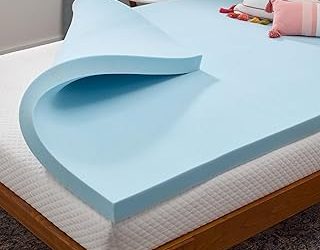
Serta ThermaGel 2 Inch Topper
At two inches, this is a comfort adjustment rather than a structural fix — ideal when a mattress is fundamentally sound but a touch too firm. The ThermaGel layer keeps the surface cool to the touch, and the slimmer profile means fitted sheets still behave.
Frequently Asked Questions
How long should a memory foam topper last?
Three to five years for quality foam, and roughly two for budget density. Rotate it head-to-foot every few months to distribute compression, and stop expecting support once a permanent impression forms.
Will a topper fix a genuinely sagging mattress?
No. Foam conforms to whatever sits beneath it, so a structural dip transfers straight through. Toppers correct firmness, not failed support cores.
What about the smell when it arrives?
Off-gassing from compressed foam is normal and typically clears within 48 to 72 hours in a ventilated room. CertiPUR-US certification means the emissions are tested and within safe limits.
Do I need a waterproof layer on top?
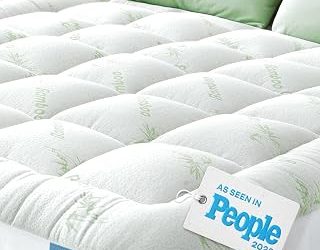
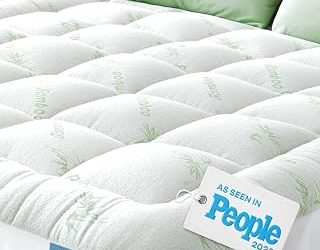
If children, pets, or bedside drinks are involved, yes. A quilted option like the Bedsure Twin XL waterproof topper with its 8-to-21-inch deep pocket sits over the foam and takes the abuse the foam can’t.
Final Thoughts
For durable, alignment-focused pressure relief, the Tempur-Pedic TEMPUR-Adapt + Cooling remains the benchmark, and the Saatva Graphite is the pick for couples fighting over the thermostat. If the budget is tighter, the Lucid 3 Inch delivers most of the contouring benefit for a fraction of the outlay — start there, and add a waterproof protector if your household demands one.