Key takeaways
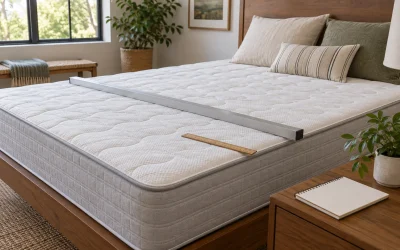
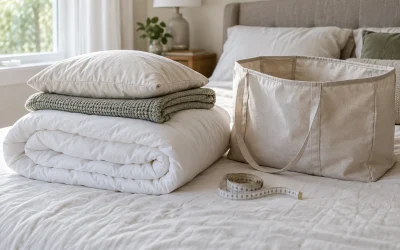
- Measure before you shop: RV sizing is nonstandard. A short queen is 60″ x 75″ — five inches shorter than a residential queen — and bunk cutouts vary by coach. Tape-measure the platform and any side rails, then subtract nothing; a mattress that needs to be forced into a frame will bow and lose support.
- Match firmness to sleep position: Side sleepers need enough surface compliance for the shoulder and hip to sink so the lumbar curve stays neutral. Back and stomach sleepers do better on a firmer core that resists pelvic drop. Flippable dual-firmness builds are a genuinely useful hedge when two people disagree.
- Take heat management seriously: RV bedrooms are small, poorly ventilated, and often over a wheel well. Look for open-cell or gel-infused foam, coil-and-foam hybrids that allow airflow through the support layer, and covers in breathable knits or ice-silk weaves. Core body temperature has to drop for sleep onset to happen efficiently.
- Verify foam certifications: CertiPUR-US and Oeko-Tex testing address emissions, heavy metals, and prohibited flame retardants. This matters more in a camper than a house because you are sleeping in a few hundred cubic feet of air with limited exchange. Fiberglass-free construction is also worth confirming.
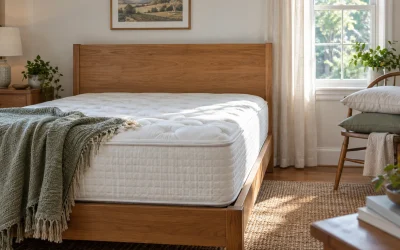
- Plan for thickness and access: A 12-inch mattress can block overhead storage, interfere with slide-outs, or make climbing into a rear bedroom awkward. Ten inches is the sweet spot for most main beds; three to four inches is realistic for bunks and cargo-area sleeping.
What's inside
RV beds are the last thing most people think about when they buy a rig, and the first thing they regret. Factory mattresses in campers and trailers are typically thin slabs of low-density foam sized to odd dimensions — short queen, three-quarter, bunk — chosen to save weight and cost rather than to hold a spine in neutral alignment. Add a plywood platform with no give, cold air pooling under the bed, and the vibration of highway travel, and you get the pattern I hear about constantly from clients: fine for one night, aching hips by night three, and a vacation spent tired.
The good news is that the aftermarket for RV-specific sleep surfaces has matured considerably. This guide walks through the mattresses and pads worth considering in 2026, what actually matters in a mobile sleep setup (support geometry, heat transfer, off-gassing, and packability), and how to match a product to your platform. A note on the title: “Consumer Reports” here reflects how shoppers search for vetted picks — these are our own independent recommendations, not selections published or endorsed by that organization.
As an Amazon Associate we earn from qualifying purchases.



🛒 Best Price Today on Amazon
Prime members get fast, free shipping on everything above, plus member-only deals. New members get a 30-day free trial — cancel anytime.
How to Choose a Consumer Reports Best Rv Mattress (2026)
- Measure before you shop: RV sizing is nonstandard. A short queen is 60″ x 75″ — five inches shorter than a residential queen — and bunk cutouts vary by coach. Tape-measure the platform and any side rails, then subtract nothing; a mattress that needs to be forced into a frame will bow and lose support.
- Match firmness to sleep position: Side sleepers need enough surface compliance for the shoulder and hip to sink so the lumbar curve stays neutral. Back and stomach sleepers do better on a firmer core that resists pelvic drop. Flippable dual-firmness builds are a genuinely useful hedge when two people disagree.
- Take heat management seriously: RV bedrooms are small, poorly ventilated, and often over a wheel well. Look for open-cell or gel-infused foam, coil-and-foam hybrids that allow airflow through the support layer, and covers in breathable knits or ice-silk weaves. Core body temperature has to drop for sleep onset to happen efficiently.
- Verify foam certifications: CertiPUR-US and Oeko-Tex testing address emissions, heavy metals, and prohibited flame retardants. This matters more in a camper than a house because you are sleeping in a few hundred cubic feet of air with limited exchange. Fiberglass-free construction is also worth confirming.
- Plan for thickness and access: A 12-inch mattress can block overhead storage, interfere with slide-outs, or make climbing into a rear bedroom awkward. Ten inches is the sweet spot for most main beds; three to four inches is realistic for bunks and cargo-area sleeping.
The Best Consumer Reports Best Rv Mattress (2026)s Reviewed
Celestial Sleep 10 Inch RV Short Queen
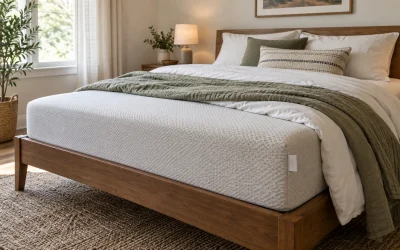
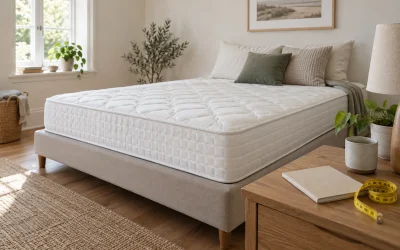
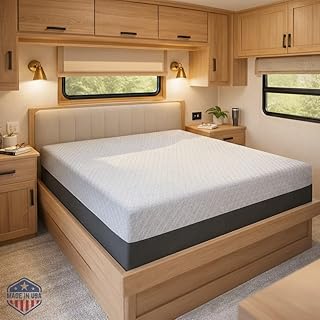
A well-executed all-foam short queen with a medium feel that suits the widest range of sleepers, and the certification stack — CertiPUR-US, Oeko-Tex, fiberglass-free — is exactly what I want to see in a confined sleeping space. The cooling layer is modest rather than dramatic, so pair it with breathable bedding in hot climates.
Firm RV Mattress 10 Inch Flippable
The dual-sided design solves a real problem: one side medium-firm, one side firm, so couples can negotiate without buying two mattresses. I’d steer back sleepers and anyone managing lumbar pain toward the firm face, and note that the removable ice-silk cover is a meaningful maintenance advantage on the road.
Short Queen 10″ RV Hybrid
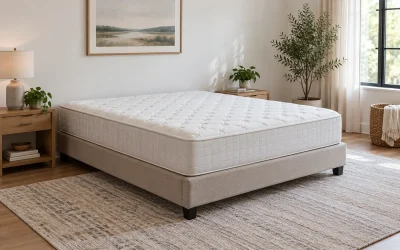
Coils in the support core give this one better edge stability and noticeably more airflow than comparable foam slabs, which pays off on humid nights and when you’re sitting on the perimeter to lace boots. The shock-absorbing construction also handles travel vibration well.
FoamRush 3-Inch Bunk RV Replacement
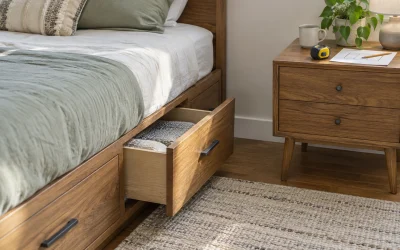
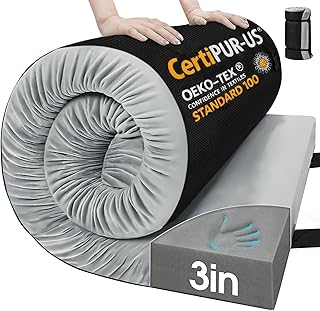
Bunk mattresses are usually the worst surface in the coach, and this is the most practical fix — cut for bunk dimensions with a choice of gel memory or high-density foam and two firmness levels. For growing kids and guests, the high-density firm option holds up longer.
Memory Foam Camping Mattress Pad, Roll-Up
For truck beds, dinette conversions, and floor sleeping, a rollable memory foam pad with a non-slip base delivers far better pressure relief than an inflatable. It stores compactly and, unlike air pads, won’t deflate at 3 a.m.
Frequently Asked Questions
Will a residential queen mattress fit my RV?
Almost never. Standard queens run 80 inches long versus 75 for a short queen, and the overhang will interfere with doors, dressers, or slide mechanics. Buy RV-sized.
How long should I let a new foam mattress off-gas?
Unbox it outside or with windows and roof vents open, and give it 24 to 72 hours before sleeping on it. Certified foams have low emissions, but ventilation is limited in a camper, so patience helps.
Why does my RV mattress feel damp underneath?
Condensation forms when warm, humid air meets a cold platform. Add a slatted base, a ventilated mesh underlay, or stand the mattress up periodically to dry, and run a vent fan or dehumidifier in cool weather.
Is a topper enough, or do I need a full replacement?
If the original mattress is intact but simply too hard, a two- to three-inch topper often resolves it. If you can feel the platform through it or see sagging, the support core has failed and a topper will only mask the problem.
Final Thoughts
For most main beds, the Celestial Sleep 10 Inch short queen is the safest all-around choice thanks to its balanced medium feel and thorough certifications, while couples with mismatched preferences should look hard at the flippable Firm RV Mattress. If your rig runs hot or you want stronger edge support, the 10″ hybrid short queen is the one I’d put on the list — and for bunks or floor setups, the FoamRush replacement and a roll-up foam pad round out a comfortable coach for a fraction of the cost of a new one.