Key takeaways
- Recline angle, not just “reclines”: Look for a chair that either locks flat-ish (roughly 150–170°) for genuine sleep or holds a stable 30–45° incline, which is the range that tends to help reflux and mild airway obstruction. Chairs that only manage a lazy mid-recline are the least useful for rest.
- Leg elevation above heart level: If evening ankle swelling or heavy, restless legs are part of your picture, prioritize a footrest that rises high rather than one that simply extends forward. Zero-gravity geometry does this by design.
- Seat depth and back height matched to your frame: Measure from the back of your knee to your buttock and compare it to seat depth; two fingers of clearance is the target. Then check that the headrest reaches at least mid-skull, not the base of your neck.
- Motion type and how alert it keeps you: Rockers and swivels are excellent for people who self-soothe with movement, but a locking mechanism matters if you intend to drift off. Power recliners let you adjust without breaking a relaxed state — a real advantage late in the evening.
- Surface breathability and thermoregulation: Core temperature needs to drop for sleep onset. Faux fur and dense foam feel wonderful in a cold room but can trap heat; chenille, textile weaves, and mesh manage moisture far better if you sleep warm.
What's inside
As a sleep-wellness practitioner, I spend a surprising amount of my day talking about chairs. The reason is simple: for a huge number of people, the recliner is where the transition from wakefulness to sleep actually begins — and for those managing reflux, sleep apnea, lower back pain, post-surgical recovery, or nighttime swelling in the legs, it’s sometimes where the whole night happens. The problem is that most recliner shopping advice treats these chairs as furniture first and physiology second. Buyers end up with a plush seat that collapses their lumbar curve, dangles their heels, or reclines to a half-angle that leaves the neck craned forward all evening.
This guide approaches the category through a rest-quality lens: recline geometry, leg elevation relative to the heart, head and neck support, seat depth versus your thigh length, and whether the chair’s motion helps you downshift or keeps you fidgeting. Below you’ll find the models worth shortlisting in 2026, a checklist to run before you buy, and answers to the questions I hear most often in consultations. One note on transparency: this is an independent roundup written from clinical and hands-on evaluation criteria, not a reproduction of any Consumer Reports testing or ranking, and we aren’t affiliated with that organization.
As an Amazon Associate we earn from qualifying purchases.




🛒 Best Price Today on Amazon
Prime members get fast, free shipping on everything above, plus member-only deals. New members get a 30-day free trial — cancel anytime.
How to Choose a Consumer Reports Best Recliner Chair (2026)
- Recline angle, not just “reclines”: Look for a chair that either locks flat-ish (roughly 150–170°) for genuine sleep or holds a stable 30–45° incline, which is the range that tends to help reflux and mild airway obstruction. Chairs that only manage a lazy mid-recline are the least useful for rest.
- Leg elevation above heart level: If evening ankle swelling or heavy, restless legs are part of your picture, prioritize a footrest that rises high rather than one that simply extends forward. Zero-gravity geometry does this by design.
- Seat depth and back height matched to your frame: Measure from the back of your knee to your buttock and compare it to seat depth; two fingers of clearance is the target. Then check that the headrest reaches at least mid-skull, not the base of your neck.
- Motion type and how alert it keeps you: Rockers and swivels are excellent for people who self-soothe with movement, but a locking mechanism matters if you intend to drift off. Power recliners let you adjust without breaking a relaxed state — a real advantage late in the evening.
- Surface breathability and thermoregulation: Core temperature needs to drop for sleep onset. Faux fur and dense foam feel wonderful in a cold room but can trap heat; chenille, textile weaves, and mesh manage moisture far better if you sleep warm.
The Best Consumer Reports Best Recliner Chair (2026)s Reviewed
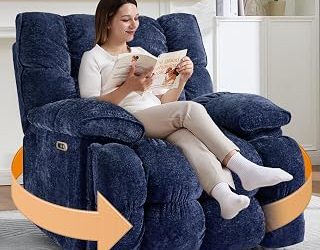
MCombo Swivel Recliner with Ottoman (4828)
The separate ottoman is the quiet advantage here: you set your own leg height instead of accepting a fixed footrest arc, which is genuinely useful for knee and hip comfort. The vibration massage is best treated as a wind-down cue rather than therapy, and the compact footprint suits RVs, bedrooms, and reading corners.
Oversized Zero Gravity Power Recliner (26″ Seat)
A rare combination of true zero-gravity positioning, a generous 26-inch seat, and powered adjustment, making it my default suggestion for larger frames who want legs above heart level without wrestling a lever. The faux fur is cozy but insulating — skip it if you run hot at night.
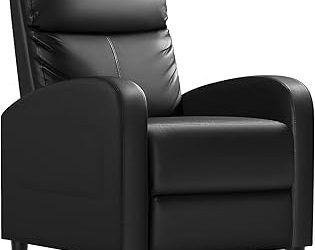
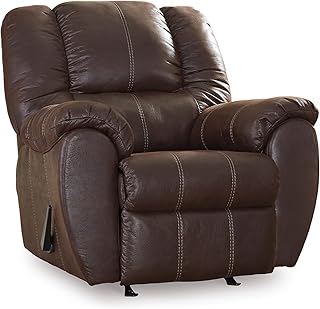
Ashley McGann Rocker Recliner
The 12-inch wall clearance solves the classic apartment problem, and the three-position manual mechanism is refreshingly predictable with nothing to fail electrically. Rocking motion suits people who settle through rhythm, though you’ll want it stationary once you’re actually dozing.
NEWBULIG Folding Zero Gravity Patio Recliner
Outdoor recliners belong in a sleep conversation because morning and late-afternoon daylight is the strongest lever you have on circadian timing. This one folds flat, carries easily, and its neutral-spine position makes a twenty-minute light break on the porch something you’ll actually repeat.
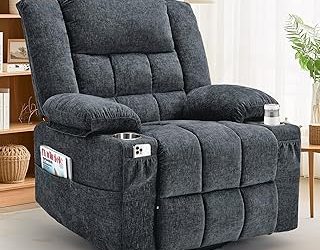
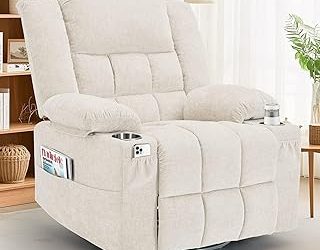
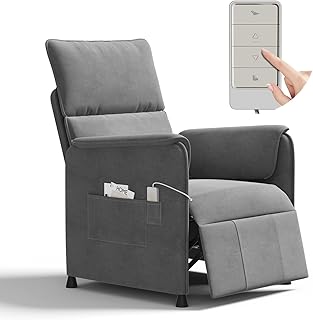
Electric Chenille Recliner with Remote
Chenille breathes noticeably better than bonded leather or plush fur, and remote-controlled adjustment means you can fine-tune your angle without sitting up and re-engaging your nervous system. The thick cushion is comfortable, so verify seat depth against your leg length before committing.
Frequently Asked Questions
Is sleeping in a recliner every night bad for you?
It isn’t inherently harmful, and for reflux, respiratory issues, or recovery it can be the better option. The risks worth managing are hip and knee stiffness from prolonged flexion and reduced circulation, so aim for a chair that opens to a near-flat or well-supported inclined position rather than a permanent V shape.
Does zero gravity positioning actually help sleep?
The elevated-leg, open-hip posture reduces pressure on the lumbar spine and can ease venous pooling in the lower legs, which many people find makes stillness easier to sustain. It’s not a treatment for a sleep disorder, but it removes physical friction from falling asleep.
Should I choose power or manual?
Power wins if you adjust often, sleep in the chair, or have limited grip and shoulder strength, because you can change position without fully rousing. Manual mechanisms are lighter, cheaper, and immune to motor failure, which suits occasional evening use well.
How do I stop my neck from aching in a recliner?
Neck pain usually means the headrest ends too low, pushing your chin toward your chest. Measure the back height against your seated shoulder-to-crown distance, and add a small cervical roll behind the neck rather than a thick pillow behind the head.
Final Thoughts
For most people prioritizing genuine rest, the Oversized Zero Gravity Power Recliner offers the strongest combination of leg elevation, seat width, and effortless adjustment, while the Electric Chenille Recliner is the smarter pick for warm sleepers in normal-sized rooms. If space is tight or you prefer mechanical simplicity, the Ashley McGann Rocker Recliner remains a dependable, wall-friendly choice.