Key takeaways
- Diagnose the problem first: A topper adds cushioning; it cannot fix a broken support core. If you can see a visible dip or feel springs, or if you sink at the hips regardless of position, that’s a support failure and a topper will only mask it for a few months. Toppers excel when the mattress is structurally sound but too firm, too flat, or too warm.
- Fiber-fill versus foam: Overfilled down-alternative and cotton or viscose pillow-tops give you immediate softness and a “sinking into the hotel bed” surface feel. Gel memory foam does something different — it redistributes weight across a broader contact area, which is what actually relieves shoulder and hip pressure for side sleepers. Choose by the sensation you’re missing.
- Take heat retention seriously: Core body temperature has to drop for sleep to consolidate, so a topper that traps heat can cost you more than a firm mattress does. Look for open-cell or ventilated foam, or breathable natural-fiber tops. Viscose derived from bamboo and 100% cotton both move moisture well; dense solid foam without perforation is the riskiest bet for hot sleepers.
- Measure your mattress depth: Deep-pocket skirts are advertised in ranges — 6″ to 18″, or up to 20″ — and a skirt that’s too shallow will pop off nightly while one that’s too generous bunches. Measure from the top surface to the bottom seam, including any existing pillow-top, before ordering.
- Check certification and off-gassing: CertiPUR-US certification means the foam has been tested for emissions and restricted substances. Expect a mild odor from any new foam; unbox it and air it in a ventilated room for 24 to 48 hours before sleeping on it.
What's inside
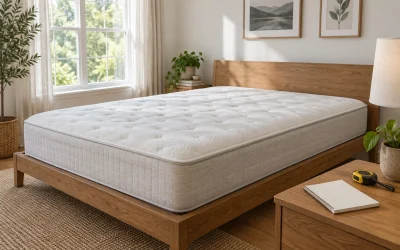
Most people don’t shop for a mattress topper because they want one — they shop because something has gone wrong. The mattress that felt perfect in the showroom has developed a hollow where your hip lands. You wake at 3 a.m. flipping the pillow, or you wake at 6 a.m. with a low-back ache that fades by mid-morning. Replacing a mattress is a four-figure decision with a delivery window and a haul-away fee. A topper is a two-digit or low-three-digit decision that arrives Tuesday. The catch is that “mattress topper” describes at least three different products doing three different jobs, and buying the wrong category is why so many end up folded in a closet.
This guide sorts the field into what actually matters for sleep quality: surface comfort, thermal behavior, and pressure distribution. I’ve grouped the standouts below — plush fiber pillow-tops for cushioning a firm or worn surface, breathable natural-fiber covers for people who run hot, and gel-infused memory foam for genuine contouring and pressure relief. Each entry notes who it suits and, just as importantly, who should skip it.
As an Amazon Associate we earn from qualifying purchases.


🛒 Best Price Today on Amazon
Prime members get fast, free shipping on everything above, plus member-only deals. New members get a 30-day free trial — cancel anytime.
How to Choose a Mattress Topper on Amazon (2026)
- Diagnose the problem first: A topper adds cushioning; it cannot fix a broken support core. If you can see a visible dip or feel springs, or if you sink at the hips regardless of position, that’s a support failure and a topper will only mask it for a few months. Toppers excel when the mattress is structurally sound but too firm, too flat, or too warm.
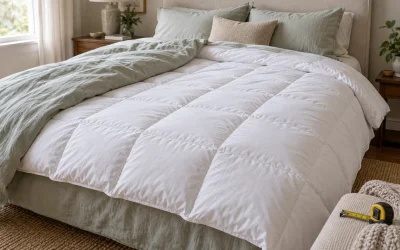
- Fiber-fill versus foam: Overfilled down-alternative and cotton or viscose pillow-tops give you immediate softness and a “sinking into the hotel bed” surface feel. Gel memory foam does something different — it redistributes weight across a broader contact area, which is what actually relieves shoulder and hip pressure for side sleepers. Choose by the sensation you’re missing.
- Take heat retention seriously: Core body temperature has to drop for sleep to consolidate, so a topper that traps heat can cost you more than a firm mattress does. Look for open-cell or ventilated foam, or breathable natural-fiber tops. Viscose derived from bamboo and 100% cotton both move moisture well; dense solid foam without perforation is the riskiest bet for hot sleepers.
- Measure your mattress depth: Deep-pocket skirts are advertised in ranges — 6″ to 18″, or up to 20″ — and a skirt that’s too shallow will pop off nightly while one that’s too generous bunches. Measure from the top surface to the bottom seam, including any existing pillow-top, before ordering.
- Check certification and off-gassing: CertiPUR-US certification means the foam has been tested for emissions and restricted substances. Expect a mild odor from any new foam; unbox it and air it in a ventilated room for 24 to 48 hours before sleeping on it.
The Best Mattress Toppers on Amazon (2026), Reviewed
Niagara Sleep Solution Ultra Soft & Cooling Topper
A rayon-from-bamboo pillow-top with a genuinely accommodating 20″ deep pocket, this is the pick for anyone whose existing mattress is already tall or already has a pillow-top layer. The fiber surface wicks moisture rather than insulating, which makes it a sensible first move for hot sleepers who want softness without foam’s heat trap.
ELEMUSE Queen Mattress Topper for Back Pain
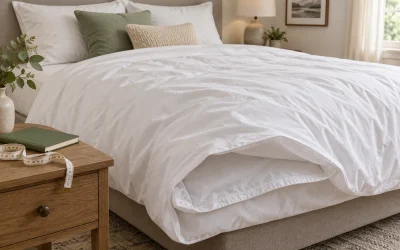
Overfilled down-alternative construction gives this one the most pronounced plushness in the group — the closest thing here to a hotel bed feel on top of a too-firm mattress. Best for back and combination sleepers; heavier side sleepers may find fiber fill compresses too readily to relieve shoulder pressure.
Cotton Extra Thick Pillow Top Mattress Pad
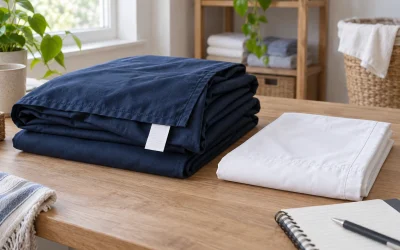
A 100% cotton top is the most breathable surface material in this roundup, and it doubles as a washable barrier that protects the mattress underneath. Choose it if your complaint is night sweats and a slightly unforgiving surface, rather than joint pain.
Linenspa 2 Inch Gel Memory Foam Topper
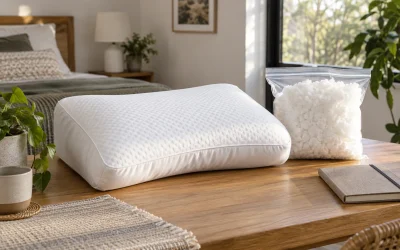
Two inches of gel-infused, CertiPUR-US certified memory foam is the efficient entry point into real contouring — enough to cradle the shoulder and hip without significantly altering the mattress’s support profile. Ideal for side sleepers testing whether pressure relief is what they’ve been missing.
Best Price Mattress 3 Inch Ventilated Memory Foam Topper
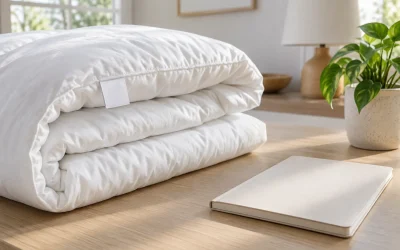
The extra inch and the ventilation channels make this the strongest choice for a firm mattress or a thin dorm and guest-room setup, where you need substantial cushioning added rather than a subtle adjustment. The perforations meaningfully improve airflow over solid foam of the same thickness.
Frequently Asked Questions
Will a topper fix my back pain?
It can help if your pain stems from a surface that’s too firm, creating pressure points at the shoulders and hips, since better weight distribution reduces the micro-awakenings that leave you stiff. It won’t help if your spine is sagging out of neutral alignment — that requires support the mattress core has to provide.
How thick should it be?
Two inches is enough to soften a firm surface; three inches is what you want for a noticeably harder mattress or if you’re a side sleeper needing deeper contouring. Beyond three inches you risk destabilizing the surface and making it harder to change position.
Do memory foam toppers always sleep hot?
Not necessarily — gel infusions and ventilation channels both measurably improve heat dissipation compared with older solid foam. If you’re a genuinely hot sleeper, though, a breathable cotton or viscose fiber top will always outperform any foam.
Can I wash it?
Fiber-filled and cotton pillow-tops are typically machine washable on a gentle cycle, though a Queen may need a commercial-capacity machine. Memory foam should never go in a washer; spot-clean it and use a removable protector on top.
Final Thoughts
For most buyers, the decision comes down to what’s keeping you awake. If it’s heat, the Niagara Sleep Solution bamboo-derived topper delivers breathable plushness with a deep pocket that fits almost any mattress. If it’s pressure at the shoulders and hips, the Linenspa gel memory foam topper is the most cost-effective way to test real contouring, and the Best Price Mattress 3-inch ventilated version is the upgrade for firmer beds that need more help.