Key takeaways
- Diagnose your mattress first: A topper can soften a too-firm bed or refine an average one, but it cannot rescue a mattress with a visible dip. If you can see a trough where you sleep, cushioning it only deepens the misalignment driving your pain.
- Match thickness to body weight: Lighter sleepers under about 150 lb often get full relief from 2 to 3 inches. Heavier sleepers and dedicated side sleepers usually need 3 to 5 inches to keep the hip from bottoming out onto the mattress below.
- Look past “memory foam” to density: Density in pounds per cubic foot predicts durability far better than thickness does. Anything under roughly 3 lb/ft³ tends to develop a permanent body impression within a year or two — exactly the sag you were trying to escape.
- Favor zoned or dual-layer builds: Uniform foam treats your shoulder, hip, and heels identically. Zoned designs and foam-plus-fiber hybrids let the pelvis settle while keeping the lumbar region propped, which is the whole point.
- Check the anchoring system: Deep-pocket skirts and corner straps matter more than they sound. A topper that migrates overnight puts your hip on a seam instead of the cushioned center.
What's inside
Hip pain has a way of announcing itself at 3 a.m. You settle onto your side, drift off, and an hour later the joint that felt fine at bedtime is aching hard enough to force a roll-over. The mechanics are usually straightforward: side sleeping funnels a large share of your body weight through the greater trochanter, the bony knob on the outside of the upper femur. On a surface that’s too firm, that knob has nowhere to go and the surrounding tissue takes the load. On a surface that’s too soft or already sagging, the pelvis drops below the shoulders and ribs, twisting the joint into a position it was never meant to hold for eight hours.
A good topper solves this by adding cushion where the hip needs to sink while keeping enough structure underneath to hold the waist and lower back level. That balance — give at the pressure point, support along the rest of the torso — is the standard I used to sort the options below. Here are the toppers worth considering in 2026, plus the specs that actually predict overnight comfort.
As an Amazon Associate we earn from qualifying purchases.




🛒 Best Price Today on Amazon
Prime members get fast, free shipping on everything above, plus member-only deals. New members get a 30-day free trial — cancel anytime.
How to Choose a Mattress Topper for Hip Pain (2026)
- Diagnose your mattress first: A topper can soften a too-firm bed or refine an average one, but it cannot rescue a mattress with a visible dip. If you can see a trough where you sleep, cushioning it only deepens the misalignment driving your pain.
- Match thickness to body weight: Lighter sleepers under about 150 lb often get full relief from 2 to 3 inches. Heavier sleepers and dedicated side sleepers usually need 3 to 5 inches to keep the hip from bottoming out onto the mattress below.
- Look past “memory foam” to density: Density in pounds per cubic foot predicts durability far better than thickness does. Anything under roughly 3 lb/ft³ tends to develop a permanent body impression within a year or two — exactly the sag you were trying to escape.
- Favor zoned or dual-layer builds: Uniform foam treats your shoulder, hip, and heels identically. Zoned designs and foam-plus-fiber hybrids let the pelvis settle while keeping the lumbar region propped, which is the whole point.
- Check the anchoring system: Deep-pocket skirts and corner straps matter more than they sound. A topper that migrates overnight puts your hip on a seam instead of the cushioned center.
The Best Mattress Toppers for Hip Pain (2026) Reviewed
SHOUREN 5-Inch Gel Memory Foam Topper
Five inches of gel-infused foam is the most substantial cushion here, which makes it the strongest choice for broad-hipped or heavier side sleepers who bottom out on thinner pads. The four-way strap system is a genuinely practical touch on a topper this tall, since deep profiles are the ones most prone to shifting.
LUCID 2-Inch 5-Zone Gel Memory Foam
The five-zone surface concentrates softer relief under the shoulder and hip while firming up beneath the lumbar zone, and the CertiPUR-US certification means predictable off-gassing behavior. Best suited to sleepers on a mattress that’s only slightly too firm rather than one needing serious rescue.
4.5-Inch Memory Foam and Pillow-Top Hybrid
The two-part build — 2.5 inches of cooling memory foam beneath a 2-inch quilted pillow-top cover — delivers contouring without the sunken, slow-to-move feel that pure foam can produce. It’s the most versatile pick for couples who disagree about firmness.
Extra-Thick 1000GSM Pillow-Top Pad
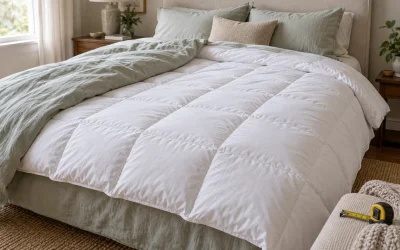
Dense down-alternative fill gives immediate plush relief with none of the heat retention or motion lag of foam, fitting mattresses from 8 to 21 inches deep. Choose it if your hip pain is mild and you want cushioning you can toss in the wash.
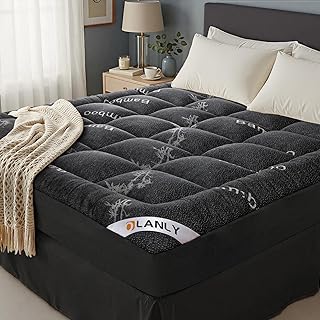
Niagara Ultra Soft Bamboo-Rayon Pillow Top
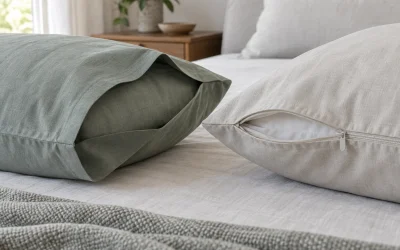
The rayon-derived-from-bamboo cover and 20-inch skirt make this the pick for hot sleepers whose discomfort is aggravated by overheating and restlessness. Expect softening rather than deep pressure relief — it’s a comfort layer, not a corrective one.
Frequently Asked Questions
Can a topper genuinely reduce hip pain?
For pain caused by pressure or poor alignment, frequently yes. For pain from arthritis, bursitis, or referred lower-back issues, a topper may reduce night-time aggravation but won’t address the underlying cause — see a clinician if pain persists during the day.
Memory foam or plush fiber fill?
Memory foam contours to the joint and redistributes load, making it the better therapeutic choice. Fiber-filled pillow tops feel softer immediately but compress under sustained weight, so they suit mild discomfort rather than chronic pressure pain.
How long until I notice a difference?
Give it two to four weeks. Your body needs time to adapt to a new sleeping posture, and it’s common for one area to feel slightly unfamiliar before everything settles.
Will a thick topper make my bed too hot?
Dense foam does trap heat. Gel infusions help, and pairing any foam topper with breathable cotton or bamboo-rayon sheets makes a measurable difference.
Final Thoughts
For most people with genuine hip pressure pain, the SHOUREN 5-inch topper offers the depth of cushion the joint actually needs, while the LUCID 5-zone model is the smarter buy if your mattress is merely a touch too firm. Hot sleepers with milder symptoms will be happiest with the Niagara bamboo-rayon pillow top.