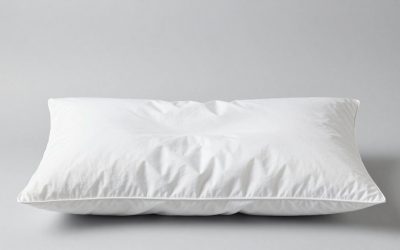
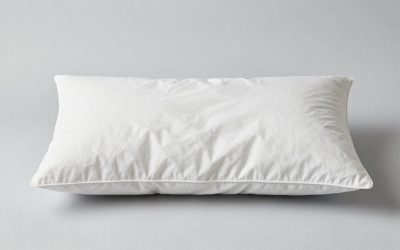
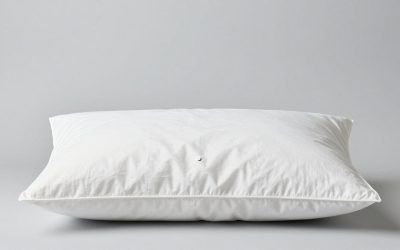
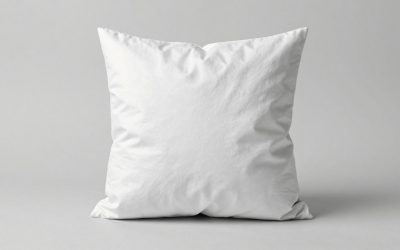
Shoulder pain has a cruel logic to it: the joint that hurts most is the one you can’t stop putting weight on. Side sleepers make up roughly two-thirds of adults, and that position funnels body weight through a narrow contact patch — the deltoid, the acromion, the rotator cuff tendons threading beneath it. When the sleep surface underneath refuses to yield, the shoulder gets compressed for six or seven hours straight. Blood flow drops, the tendons stay pinched, and you wake up with a dull ache that takes an hour of coffee and stretching to shake off. Rotator cuff tendinopathy, bursitis, and frozen shoulder all get noticeably worse on an unforgiving mattress, and simply flipping to your back rarely works — most people migrate back to their side within twenty minutes of dozing off.
A topper is the cheapest meaningful intervention available. Rather than replacing a mattress that may still be structurally sound, you add two to five inches of material engineered to let the shoulder sink while the ribcage and hips stay supported. That’s the whole game: selective give. This guide breaks down what actually delivers that behavior — foam density, pillow-top loft, deep-pocket fit, and heat management — then reviews the toppers worth your money in 2026, drawing on how each one performs specifically for shoulder-dominant side sleeping rather than generic comfort.
Our top picks

 Linenspa Memory Foam Mattress Topper
- Plush gel infused memory foam conforms to your…
- This topper is infused with a cooling gel…
- Choose your own level of comfort with a…


As an Amazon Associate we earn from qualifying purchases at no extra cost to you.
🛒 Best Price Today on Amazon
Prime members get fast, free shipping on everything above, plus member-only deals. New members get a 30-day free trial — cancel anytime.
How to Choose a Mattress Topper For Shoulder Pain (2026)
- Thickness that matches your build: Two inches is enough for lighter sleepers under about 130 lbs; anyone broader through the shoulders should look at three to five inches, or the shoulder will compress straight through to the mattress and gain nothing.
- Contouring over springiness: Viscoelastic memory foam responds to body heat and forms a cradle around the joint. Latex and highly resilient foams push back — great for hips, counterproductive for an inflamed shoulder that needs pressure removed, not redistributed.
- Loft that survives compression: Down-alternative and fiberfill pillow-tops feel wonderful in week one, but low-grade clusters flatten into pancakes. Look for overfilled construction with sewn baffle boxes or channels that keep fill from migrating away from your shoulder line.
- Cooling that isn’t just marketing: Memory foam traps heat, and heat makes you shift position more, which aggravates a sore joint. Gel infusion helps modestly; a rayon-from-bamboo or viscose cover does more, because it moves moisture off the skin.
- Skirt depth and anchoring: A topper that slides sideways during the night undoes its own work. Confirm the elastic pocket depth clears your mattress plus any existing pad — 14 inches minimum, 18 to 20 if you own a pillow-top.
The Best Mattress Topper For Shoulder Pain (2026)s Reviewed
Niagara Sleep Solution Ultra Soft & Cooling Topper
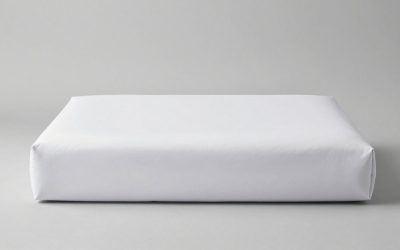
The rayon-from-bamboo surface is the standout here — it stays genuinely cool against the skin, which keeps restless repositioning to a minimum for people whose shoulder pain flares when they toss. The 20-inch pocket also swallows tall mattresses that defeat most competing toppers.
Linenspa 2-Inch Gel Memory Foam Topper
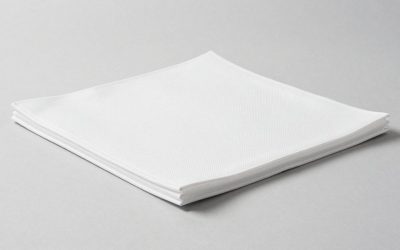
The most sensible entry point if you’re testing whether a topper helps at all before committing serious money. Two inches of gel-infused foam is best suited to lighter-framed side sleepers; broader shoulders will bottom out and should size up in thickness.
5-Inch Mega Support Dual Layer Topper
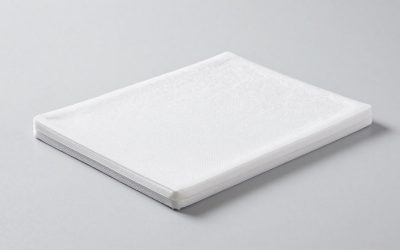
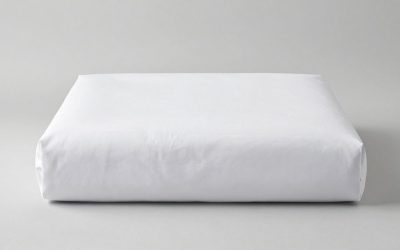
The dual-layer build is the smartest engineering on this list for shoulder relief: 2.5 inches of pillow-top loft to absorb the joint, stacked over 2.5 inches of gel memory foam that stops you sinking into the mattress beneath. Expect a firm mattress to feel like a different bed entirely.
ELEMUSE Extra Thick Pillowtop Topper
A cushiony down-alternative option for anyone who finds memory foam’s slow, enveloping response claustrophobic or too warm. The overfilled construction gives real initial loft — plan on fluffing it periodically to keep fill distributed across the shoulder zone.
WhatsBedding 5-Inch Memory Foam Topper
Five inches of soft, breathable stuffing over a supportive base makes this a strong pick for heavier side sleepers who compress thinner toppers flat. It’s a substantial piece of bedding, so budget a couple of days for full expansion and off-gassing before judging the feel.
Frequently Asked Questions
Will a topper fix shoulder pain on its own?
It addresses the mechanical cause — sustained compression — but not underlying pathology. Pair it with a pillow that fills the gap between your ear and the mattress, and see a physiotherapist if pain persists past a few weeks or radiates down the arm.
Soft or firm for shoulder pain?
Softer at the surface, supportive underneath. A uniformly soft topper lets your hips drop and twists the spine, which creates a second problem while solving the first.
How long before I notice a difference?
Most people feel the change on night one, but your body needs one to two weeks to adapt to new alignment. Mild stiffness elsewhere during that window is normal.
Do these fit a mattress with an existing pillow-top?
Only if the elastic pocket is deep enough. Measure the mattress at its thickest point and add an inch of tolerance — options like the Niagara, with a 20-inch pocket, or the BEDLORE, rated for 6″ to 18″ mattresses, are the safe bets.
Final Thoughts
For most side sleepers with shoulder pain, the 5-Inch Mega Support dual-layer topper is the best overall choice — its plush-over-firm structure does exactly what an aching shoulder needs. Hot sleepers should prioritize the Niagara Sleep Solution for its cooling bamboo-derived cover and generous fit, while the Linenspa gel foam topper remains the low-risk way to test the concept before spending more.