Key takeaways
- Recline geometry: Look for a stated angle of 170° or more if you want the option of near-horizontal sleep, and a zero-gravity stop that lifts the knees above the heart — that position unloads the lumbar spine and helps with lower-leg swelling, which is why so many people find it easier to stay asleep in it.
- Motor count: A single motor swings the back and footrest together on one fixed arc. Dual motors let you set them independently, which is how you fine-tune a wedge position for reflux. Triple-motor chairs add a powered headrest and effectively give you infinite positions.
- Head and neck support: This is the most common failure point. Without an adjustable headrest, a reclined chair pushes your head forward and closes the airway — the opposite of what you want. Either buy a power headrest or budget for a proper cervical pillow.
- Fit before features: Measure your seated hip width and your height before comparing massage modes. Seat depth should let your back meet the lumbar curve with a two-finger gap behind the knees; taller sleepers need a longer back and extended footrest so their heels aren’t dangling.
- Overnight practicalities: Check for a battery backup so a power cut doesn’t strand you in a reclined chair, listen for motor noise if you share a room, and confirm there’s a real wall outlet nearby — USB-C ports charge a phone but won’t run a CPAP.
What's inside
Sleeping upright used to be a temporary arrangement — a week after shoulder surgery, a rough stretch of reflux, a chest cold that made lying flat feel like drowning. For a lot of people it has quietly become permanent. Clinicians routinely suggest an inclined sleeping position for nocturnal acid reflux, positional apnea, COPD, congestive heart failure and post-operative recovery, and once you’ve had a few genuinely restorative nights at thirty or forty degrees, a flat mattress can feel like a step backwards. The problem is that most recliners were engineered for a two-hour movie, not a seven-hour sleep cycle: the foam bottoms out by month three, the legrest stops at your ankles, and there’s no way to support your head without folding your chin into your chest.
This guide evaluates recliners through a sleep lens rather than a living-room one — how flat the chair truly goes, whether the back and legs move independently, how well it holds a neutral cervical angle for hours, and what happens at three in the morning when you need to get up. Below are the models worth shortlisting for 2026, followed by the specifications that actually change how you sleep and answers to the questions readers send in most.
As an Amazon Associate we earn from qualifying purchases.


How to Choose a Recliner Chair for Sleeping (2026)
- Recline geometry: Look for a stated angle of 170° or more if you want the option of near-horizontal sleep, and a zero-gravity stop that lifts the knees above the heart — that position unloads the lumbar spine and helps with lower-leg swelling, which is why so many people find it easier to stay asleep in it.
- Motor count: A single motor swings the back and footrest together on one fixed arc. Dual motors let you set them independently, which is how you fine-tune a wedge position for reflux. Triple-motor chairs add a powered headrest and effectively give you infinite positions.
- Head and neck support: This is the most common failure point. Without an adjustable headrest, a reclined chair pushes your head forward and closes the airway — the opposite of what you want. Either buy a power headrest or budget for a proper cervical pillow.
- Fit before features: Measure your seated hip width and your height before comparing massage modes. Seat depth should let your back meet the lumbar curve with a two-finger gap behind the knees; taller sleepers need a longer back and extended footrest so their heels aren’t dangling.
- Overnight practicalities: Check for a battery backup so a power cut doesn’t strand you in a reclined chair, listen for motor noise if you share a room, and confirm there’s a real wall outlet nearby — USB-C ports charge a phone but won’t run a CPAP.
The Best Recliner Chairs for Sleeping (2026), Reviewed
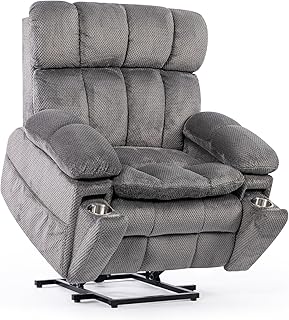
26″ Extra-Wide Dual Motor Power Lift Recliner
The 26-inch seat and lay-flat range make this the most forgiving choice for restless sleepers who shift position through the night, and independent back-and-leg control lets you dial in a mild wedge for reflux without lifting your knees. Flip-arm storage, cupholders and USB-C keep essentials within reach so you’re not standing up at 2 a.m.
MCombo 7755 Lift Chair for Tall Users
Built around a taller backrest and extended footrest for frames up to roughly 6’6″, this is the rare lift recliner where a long-legged sleeper’s heels are actually supported rather than hanging off the end. The faux-leather upholstery wipes clean easily, which matters for medical recovery use, though fabric breathes better if you sleep warm.
Triple Motor Big & Tall Infinite Position Lift Recliner
The powered headrest is what earns this chair its place: being able to tilt your head back a few degrees while the seat stays put keeps the airway open and prevents the chin-to-chest slump that ruins most overnight recliner sleep. The 180° flat position and plush flannel make it the closest thing here to an adjustable bed.
EONIX 2-Motor Lay-Flat Power Lift Recliner
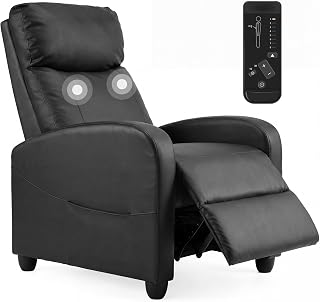
A 175° recline, a 400 lb tested capacity and a one-touch reset make this a sensible, low-fuss option for nightly use — the reset button in particular is underrated when you’re groggy and just want the chair upright. Heat and massage are useful pre-sleep wind-down tools, but switch them off before you drift away.
Korser 360° Swivel Rocker Recliner
Not a lift chair, but the best pick here for nursery nights, light napping and anyone who finds gentle rocking sleep-inducing rather than a mechanical position change. The manual mechanism means no motor hum, and the 360° swivel makes getting in and out easier in tight bedrooms.
Frequently Asked Questions
Is sleeping in a recliner bad for your back?
Not inherently — a reclined position with supported knees actually reduces disc pressure compared with sitting upright. Problems arise from unsupported necks and prolonged immobility, not the angle itself.
What recline angle helps with acid reflux?
Most people do well between 30° and 45° of torso elevation, with the hips lower than the shoulders so gravity keeps stomach contents down. A fully flat chair defeats the purpose, which is why independent back control matters.
Do I need a lift chair if I’m mobile?
Not necessarily, but the lift function reduces the strain of standing from a deep recline and is genuinely useful during recovery or as joints stiffen. It also makes transfers safer when you’re half asleep.
How do I avoid stiffness and swelling overnight?
Change position a few times, keep your feet elevated at or above heart level, flex your ankles before standing, and stay hydrated. Anyone with clotting risk factors should discuss extended recliner sleep with their doctor.
Final Thoughts
For most sleepers, the Triple Motor Big & Tall lift recliner is the strongest all-round choice thanks to its power headrest and true 180° flat position. The 26″ Extra-Wide Dual Motor model is the better value if you want lay-flat comfort and room to move without paying for a third motor, while the Korser swivel rocker remains the quiet, motor-free option for nursery nights and shorter stretches of sleep.