Key takeaways
- Respect the thickness ceiling: Every cabinet has a maximum mattress depth, typically 6 to 12 inches. Exceeding it strains the lift, prevents full closure, and voids most warranties — confirm the number before you fall for a thicker mattress.
- Read the layers, not the label: “Memory foam” describes a single inch as easily as six. Look for a stated construction, such as 1.5 inches of memory foam over 4.5 inches of high-density support foam, which is what separates a usable bed from a mat.
- Plan for trapped humidity: Body moisture stays in the foam when a bed folds shut within minutes of use. Prioritize breathable or cooling covers, removable and washable casings, and leave the unit open an hour after guests depart.
- Inspect the lift hardware: Hydraulic pistons deliver smoother, quieter, more predictable travel than spring systems and usually offer tension adjustment as the mattress settles. Count the pistons and confirm they’re serviceable.
- Match the fold to the sleeper: Trifold designs create two seams; side sleepers feel them at the shoulder and hip. Bifold or single-piece foam is kinder for regular use, while trifolds excel for occasional guests and portability.
What's inside
Murphy beds get shopped like cabinetry and slept on like mattresses, and that mismatch is where most disappointment starts. Buyers measure the wall, check the footprint when folded, admire the finish — and then discover on night two that the included sleep surface is a 6-inch foam slab with no published density, no layer breakdown, and a fold seam sitting directly under the hip. Wall beds and cabinet beds have real engineering constraints: the mattress must compress into a closed box, so thickness is capped and materials are chosen for foldability first. None of that has to mean poor sleep, but it does mean the mattress deserves as much scrutiny as the lift mechanism.
This roundup approaches the category from the sleep side. I’ve prioritized foam specification and honesty about it, heat and moisture behavior inside a sealed cabinet, hardware you can adjust or replace, and fold geometry relative to sleeping position. You’ll find complete bed-and-mattress systems suited to guest rooms and dual-purpose home offices, plus standalone trifold mattresses that make an excellent upgrade when a unit’s factory foam falls short.
As an Amazon Associate we earn from qualifying purchases.


🛒 Best Price Today on Amazon
Prime members get fast, free shipping on everything above, plus member-only deals. New members get a 30-day free trial — cancel anytime.
How to Choose a Mattress Murphy Bed (2026)
- Respect the thickness ceiling: Every cabinet has a maximum mattress depth, typically 6 to 12 inches. Exceeding it strains the lift, prevents full closure, and voids most warranties — confirm the number before you fall for a thicker mattress.
- Read the layers, not the label: “Memory foam” describes a single inch as easily as six. Look for a stated construction, such as 1.5 inches of memory foam over 4.5 inches of high-density support foam, which is what separates a usable bed from a mat.
- Plan for trapped humidity: Body moisture stays in the foam when a bed folds shut within minutes of use. Prioritize breathable or cooling covers, removable and washable casings, and leave the unit open an hour after guests depart.
- Inspect the lift hardware: Hydraulic pistons deliver smoother, quieter, more predictable travel than spring systems and usually offer tension adjustment as the mattress settles. Count the pistons and confirm they’re serviceable.
- Match the fold to the sleeper: Trifold designs create two seams; side sleepers feel them at the shoulder and hip. Bifold or single-piece foam is kinder for regular use, while trifolds excel for occasional guests and portability.
The Best Mattress Murphy Beds (2026) Reviewed
Olela Queen Murphy Bed with Hydraulic Lift
Four hydraulic pistons make this the most controlled lift in the group, which matters if the person raising the bed each morning isn’t especially strong. The included mattress is competent rather than luxurious, but the frame’s depth allowance leaves room to upgrade later without replacing the cabinet.
Murphy Cube Cabinet Bed, Queen
Solid hardwood construction and a fold-out cabinet format mean no wall anchoring and no permanent commitment — genuinely useful for renters and older homes with plaster. The 6-inch gel memory foam sleeps cooler than standard visco, and the Normandy Brown finish reads as furniture rather than hardware.
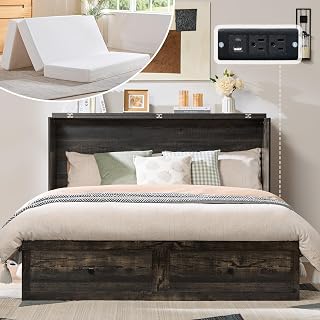
Queen White Murphy Bed with Charging Station
This is the most transparent mattress spec in the roundup: 1.5 inches of memory foam over 4.5 inches of high-density foam, which is a sensible ratio for pressure relief without bottoming out. The integrated charging station and storage drawer remove two nightstands from a room that likely can’t spare the floor.
CYMULA Folding Mattress, Full
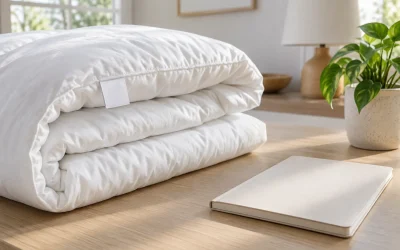
A well-judged upgrade or spare for full-size cabinets, with a breathable, washable cover that addresses the moisture problem folded mattresses create. At 52 by 73 inches it also serves double duty for RV bunks and floor sleeping.
Lazyzizi Cooling Folding Mattress
The cold-touch, breathable cover makes a measurable difference for warm sleepers and for beds that close immediately after use. Best suited to guests and travel rather than nightly service, given the 6-inch trifold profile.
Frequently Asked Questions
Can you sleep on a 6-inch Murphy bed mattress every night?
Many people can, provided the foam is dense enough to keep hips from sinking to the platform. Lighter sleepers and back sleepers generally adapt well; heavier or side sleepers should look for the deepest mattress the cabinet allows.
Do I need special straps or a fitted setup?
Most wall beds include retention straps that hold bedding and mattress in place during lift. Use them every time — they prevent the mattress shifting inside the cabinet, which is the leading cause of misalignment and hardware wear.
Will the mattress develop mildew inside the cabinet?
Only with neglect. Air the bed open periodically, wash the cover seasonally, and avoid closing it immediately after a humid night’s sleep.
Can I use a regular mattress instead?
Only if it falls within the stated depth and weight limits and is flexible enough to fold. Innerspring mattresses are generally unsuitable for cabinet beds.
Final Thoughts
For daily or near-daily use, the Queen White Murphy Bed earns the recommendation on the strength of its disclosed foam construction and thoughtful storage. Renters and anyone avoiding wall anchors should choose the hardwood Murphy Cube Cabinet Bed, while the Olela hydraulic unit is the easiest to operate day after day.