
Key takeaways
- Consider your primary fitness goal: Are you looking to torch calories quickly, build sustained stamina, or learn fancy footwork? This will dictate the type of rope and its features.
- Evaluate rope material and weight: PVC and nylon are common for general fitness, while beaded ropes offer a more satisfying feedback and speed, and steel cables are excellent for speed and durability. The weight of the handles can also add an extra challenge.
- Prioritize adjustability: A rope that can be easily shortened or lengthened ensures a perfect fit for your height, crucial for efficient jumping and preventing trips.
- Look for comfortable handles: Your grip matters, especially during longer sessions. Ergonomic, non-slip handles prevent fatigue and blisters, allowing you to focus on your form.
- Think about portability: If you plan to travel or workout outdoors, a compact and durable rope that easily fits in a bag is essential.
What's inside
The humble jump rope, often relegated to childhood memories or a brief warm-up, is a surprisingly potent tool for a comprehensive workout. Forget monotonous bouncing; a well-structured jump rope routine can elevate your cardiovascular fitness, build endurance, improve coordination, and even hone agility. Whether your goal is to shatter personal bests in high-intensity interval training (HIIT), maintain a steady rhythm through extended rounds, or master impressive new skills, the right approach and a quality rope are your keys to unlocking this dynamic exercise.
This guide delves into the best jump rope routines tailored for different fitness objectives. We’ll explore strategies for interval-based training that push your limits, structured rounds designed for sustained effort and calorie burn, and skill-building sequences that add a touch of flair and challenge to your workouts. By understanding how to effectively utilize a jump rope, you can transform a simple piece of equipment into a powerful ally in your fitness journey, adaptable to any space and any ambition.
As an Amazon Associate we earn from qualifying purchases.

#1 Pick

#2 Pick

#3 Pick

#4 Pick

#5 Pick

#6 Pick

#7 Pick

As an Amazon Associate we earn from qualifying purchases.
#1 Pick
Quick Comparison
| Routine Type | Primary Benefit | Ideal For | Equipment Focus |
|---|---|---|---|
| Interval Training | Maximal calorie burn, VO2 max improvement | Athletes, fat loss seekers | Speed ropes, weighted handles for intensity |
| Endurance Rounds | Sustained cardiovascular health, muscular endurance | Beginners, steady-state cardio enthusiasts | Comfortable, adjustable-length ropes |
| Skill Development | Coordination, agility, advanced movements | Intermediate to advanced jumpers, those seeking variety | Beaded ropes, speed ropes for precise control |
How to Choose Your Jump Rope Kit
- Consider your primary fitness goal: Are you looking to torch calories quickly, build sustained stamina, or learn fancy footwork? This will dictate the type of rope and its features.
- Evaluate rope material and weight: PVC and nylon are common for general fitness, while beaded ropes offer a more satisfying feedback and speed, and steel cables are excellent for speed and durability. The weight of the handles can also add an extra challenge.
- Prioritize adjustability: A rope that can be easily shortened or lengthened ensures a perfect fit for your height, crucial for efficient jumping and preventing trips.
- Look for comfortable handles: Your grip matters, especially during longer sessions. Ergonomic, non-slip handles prevent fatigue and blisters, allowing you to focus on your form.
- Think about portability: If you plan to travel or workout outdoors, a compact and durable rope that easily fits in a bag is essential.
Top Picks Reviewed
Speed Rope for Interval Domination
For those whose workouts are defined by bursts of intense effort, a high-quality speed rope is non-negotiable. These ropes typically feature thin, durable steel cables coated in plastic, allowing for incredibly fast rotations. The lightness of the cable means your arms and wrists move less to achieve more revolutions. Look for models with ball bearings in the handles; this is the secret sauce to frictionless, lightning-fast spins that are essential for smashing through HIIT intervals. The handles themselves are often slim and designed for a secure grip during rapid movements, though they might offer less padding than other types. The primary benefit here is efficiency – you can achieve a higher jump count per unit of time, translating to a more intense cardiovascular stimulus and a greater calorie expenditure in shorter periods. This type of rope is perfect for Tabata-style workouts, EMOM (Every Minute on the Minute) challenges, and any routine where you’re pushing your anaerobic threshold.
Adjustable PVC Rope for Endurance Rounds
When the goal is sustained cardiovascular effort and building a solid aerobic base, an adjustable PVC rope shines. These ropes are generally thicker and heavier than speed ropes, offering a more consistent resistance and a satisfying “thwack” sound as they hit the ground. The PVC material is durable and forgiving, making it an excellent choice for beginners and those focusing on maintaining a steady pace. The key feature here is adjustability. Most good PVC ropes come with a mechanism to easily trim or adjust the cable length, ensuring you can find the perfect height for your stride and prevent tripping. Comfortable, often foam-padded handles are standard, providing a secure and pleasant grip for extended jumping sessions. These ropes are ideal for steady-state cardio, aiming for continuous jumping for 5, 10, or even 30 minutes, building muscular endurance in your calves and shoulders, and improving overall stamina.
Beaded Rope for Skill Progression
Introducing an element of artistry and complexity to your jump rope practice calls for a beaded rope. Constructed with individual plastic beads strung onto a flexible cord, these ropes offer a distinct sound and feedback that’s invaluable for timing and rhythm. The beads create a more substantial “whip” than a thin cable, making it easier to feel the rope’s position and adjust your jumps accordingly. This makes them fantastic for learning new tricks like crossovers, double unders, and even more intricate footwork. The weight distribution of the beads also contributes to a smoother, more controlled swing. While not as fast as a pure speed rope for pure revolution count, the tactile and auditory feedback provided by a beaded rope is unparalleled for developing coordination, agility, and a deeper connection with the movement. They are also quite durable and can withstand a good amount of abuse, making them a versatile choice for intermediate and advanced jumpers.
Frequently Asked Questions
What is the best jump rope routine for beginners?
For beginners, the focus should be on consistency and building basic coordination. Start with a simple endurance routine. Aim for short intervals of jumping, perhaps 30 seconds on, 30 seconds off, gradually increasing the “on” time as your stamina improves. Prioritize learning a steady rhythm and minimizing trips. An adjustable PVC rope is ideal, allowing you to find the correct length and offering a forgiving swing. Don’t worry about speed or complex moves initially; master the fundamental bounce first.
How can I structure jump rope intervals for maximum calorie burn?
To maximize calorie burn, embrace high-intensity interval training (HIIT). A popular structure is Tabata, which involves 20 seconds of maximal effort jumping followed by 10 seconds of rest, repeated for 8 rounds (4 minutes total). You can also implement EMOM (Every Minute on the Minute) challenges, where you perform a set number of jumps (e.g., 50-100) at the start of each minute and rest for the remainder of that minute. For these intense sessions, a speed rope with ball bearings is your best bet to achieve high revolution counts and keep the intensity elevated.
Is a weighted jump rope beneficial for my routine?
Weighted jump ropes, often achieved by using ropes with heavier cables or heavier handle options, can be a valuable addition for specific goals. They increase the resistance, demanding more from your shoulders, arms, and core, thus building greater muscular endurance and strength. They can also add an extra cardiovascular challenge. However, they are generally not ideal for pure speed training or learning intricate skills due to their increased momentum. If you’re looking to enhance the strength-building aspect of your jumping or add an extra layer of difficulty to your endurance rounds, a weighted rope can be a great tool.
How do I know if my jump rope is the right length?
The easiest way to check your jump rope length is to stand on the middle of the rope with one foot, holding an end in each hand. The handles should reach your armpits. For speed and agility, you might prefer the handles to be slightly lower, perhaps reaching your chest. For beginners or those focusing on endurance, a slightly longer rope can be more forgiving. Most adjustable ropes make it simple to fine-tune this measurement until you find what feels most comfortable and efficient for your jumping style.
Final Thoughts
The jump rope is far more than a nostalgic childhood toy; it’s a versatile and highly effective fitness tool capable of transforming your workouts. By understanding the distinct benefits of interval routines for explosive calorie burning, endurance rounds for sustained cardiovascular health, and skill-based sequences for agility and coordination, you can tailor your practice to achieve specific fitness aspirations. Selecting the right jump rope kit – whether a lightning-fast speed rope, a forgiving adjustable PVC rope, or a feedback-rich beaded rope – is the crucial first step. Embrace the rhythm, experiment with different routines, and discover the profound impact this simple yet powerful exercise can have on your overall well-being and athletic performance.
FAQ
What is the best jump rope routine for beginners?
How can I structure jump rope intervals for maximum calorie burn?
Is a weighted jump rope beneficial for my routine?
How do I know if my jump rope is the right length?
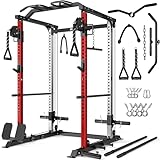
Best Rack Gym in 2026: Specs and Prices Compared
A rack gym solves one stubborn problem: you want heavy compound lifts,...
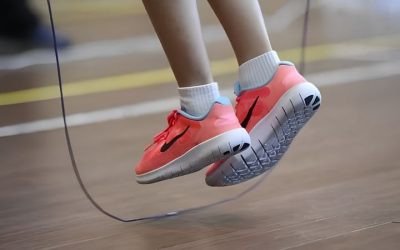
Best Shoes for Jump Rope: 5 Picks for Concrete and Timber
Best shoes for jump rope depends first on what is under your...
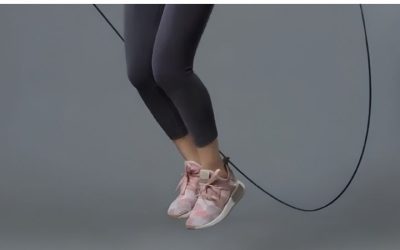
8 Best Shoes for Jump Rope: Forefoot Cushioning and Drop Guide
Best shoe for jump rope selection is a forefoot problem, not a...
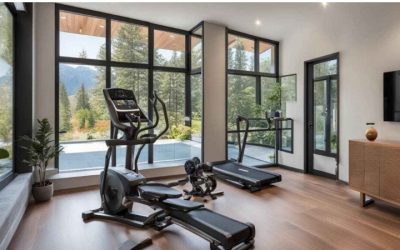
8 Best Full Body Workout Equipment: 6 Machines vs Free Weights
Best full body workout equipment splits into two genuinely different answers: one...
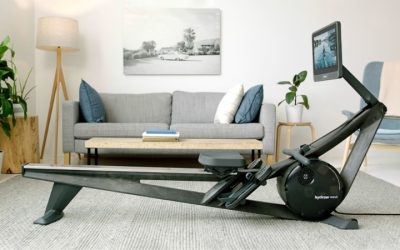
8 Best Gym Equipment for Full Body Workout: 5 Key Choices
Best gym equipment for full body workout setups should be judged by...

8 Best Workout Gym Equipment: 6 Heavy-Duty Picks for Home Use
Best workout gym equipment for a garage or basement is a structural...
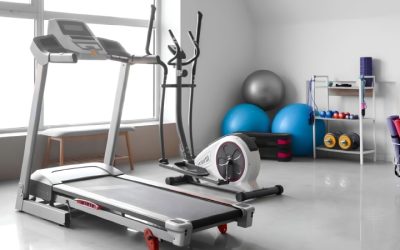
Best Workout Exercise Equipment: 6 Picks for Small Homes
Best workout exercise equipment lists usually start with the item and end...
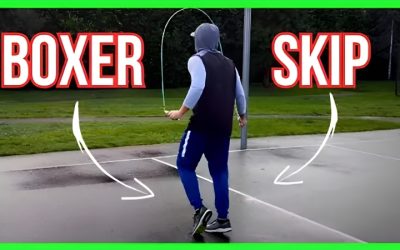
Best Boxer Jump Rope: 6 Picks for Footwork and Conditioning
Best boxer jump rope shopping gets confusing because boxer rope is both...

Best Boxing Jump Rope: 6 Picks for 3-Minute Round Drills
Best boxing jump rope selection is a weight decision before it is...
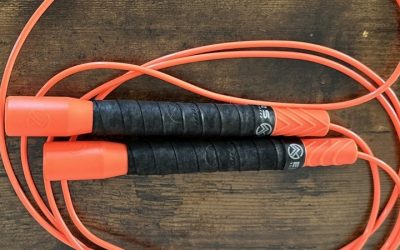
8 Best Beginner Jump Ropes: 6 Easy-Timing Picks for Home Use
Best beginner jump rope choices come down to cord speed, not brand...
Write Your Review
No reviews yet. Be the first to share your experience!