Key takeaways
- Match firmness to position, not preference: Back and stomach sleepers benefit from a firm to extra-firm surface that keeps the pelvis from sinking. Side sleepers need enough give at the shoulder and hip to keep the spine level — medium-firm is usually the ceiling before pressure points start protesting.
- Weight changes everything: A 130 lb sleeper experiences a “firm” mattress as a plank; a 230 lb sleeper may find the same bed medium. Heavier bodies compress coils further, so size up in firmness and look for reinforced perimeter support.
- Check the coil count and gauge: Individually pocketed springs isolate movement and contour zone by zone. Five- to seven-zone layouts concentrate stiffer coils under the lumbar region — that’s what produces support without a uniformly hard feel.
- Read the comfort layer, not just the height: A 14-inch mattress isn’t automatically better than a 12-inch one. What matters is whether the top inch or two offers enough contouring foam to relieve shoulder pressure while the coil unit does the structural work underneath.
- Verify certifications and trial length: CertiPUR-US covers foam emissions and content; fiberglass-free construction avoids a genuinely unpleasant failure mode if the cover ever tears. And because firmness takes two to four weeks to judge honestly, a 365-night trial is worth more than any showroom test.
Firmness is the most argued-about spec in the mattress aisle, and also the most misunderstood. Shoppers arrive with a hunch — usually inherited from a parent or a chiropractor’s offhand remark — that a hard bed is a healthy bed. Then they buy one, wake up with a numb shoulder and an aching hip, and conclude they made an expensive mistake. The truth is narrower and more useful: firmness isn’t a virtue on its own. It’s a variable you match to your body weight, your dominant sleep position, and how much your spine needs to be held rather than hugged.
This guide looks at where a genuinely firm surface earns its keep — heavier sleepers, dedicated back and stomach sleepers, anyone whose lower back complains after a night in a plush hotel bed — and where it becomes a liability. Below you’ll find current hybrid options across firm, extra-firm, and medium-firm builds, plus the specs that actually distinguish a supportive mattress from one that’s simply unyielding.
Our top picks



As an Amazon Associate we earn from qualifying purchases at no extra cost to you. Ratings are shown as listed on Amazon.
🛒 Best Price Today on Amazon
Prime members get fast, free shipping on everything above, plus member-only deals. New members get a 30-day free trial — cancel anytime.
How to Choose a Firm Mattress (2026)
- Match firmness to position, not preference: Back and stomach sleepers benefit from a firm to extra-firm surface that keeps the pelvis from sinking. Side sleepers need enough give at the shoulder and hip to keep the spine level — medium-firm is usually the ceiling before pressure points start protesting.
- Weight changes everything: A 130 lb sleeper experiences a “firm” mattress as a plank; a 230 lb sleeper may find the same bed medium. Heavier bodies compress coils further, so size up in firmness and look for reinforced perimeter support.
- Check the coil count and gauge: Individually pocketed springs isolate movement and contour zone by zone. Five- to seven-zone layouts concentrate stiffer coils under the lumbar region — that’s what produces support without a uniformly hard feel.
- Read the comfort layer, not just the height: A 14-inch mattress isn’t automatically better than a 12-inch one. What matters is whether the top inch or two offers enough contouring foam to relieve shoulder pressure while the coil unit does the structural work underneath.
- Verify certifications and trial length: CertiPUR-US covers foam emissions and content; fiberglass-free construction avoids a genuinely unpleasant failure mode if the cover ever tears. And because firmness takes two to four weeks to judge honestly, a 365-night trial is worth more than any showroom test.
The Best Firm Mattresses Reviewed (2026)
BedStory Firm 13 Inch Hybrid
A well-balanced entry point into true firm support, with zoned lumbar reinforcement that keeps the lower back from dipping while a modest comfort layer takes the edge off the coil unit. This is the pick for back sleepers who want structure without the board-like feel of an extra-firm build.
BedStory Firm 14 Inch, 7-Zone
The extra inch of profile goes toward a more elaborate seven-zone coil layout, which does a noticeably better job of easing shoulder pressure for combination sleepers who spend part of the night on their side. Fiberglass-free and CertiPUR-US certified, with the reassurance of a full-year trial to settle the firmness question properly.
BedStory Extra Firm 14 Inch
This is the most uncompromising option here, and the right call for heavier sleepers or dedicated stomach sleepers who bottom out on standard firm models. Low motion transfer from the pocketed springs makes it a sensible shared-bed choice despite the assertive feel.
Sleepmax Extra Firm 12 Inch
A slimmer extra-firm hybrid that suits bunk frames, guest rooms, and platform beds where a 14-inch profile would look ungainly. It’s marketed to both back and side sleepers, though side sleepers under roughly 150 lb should temper expectations at this firmness level.
Medium Firm 14 Inch Hotel Collection Hybrid
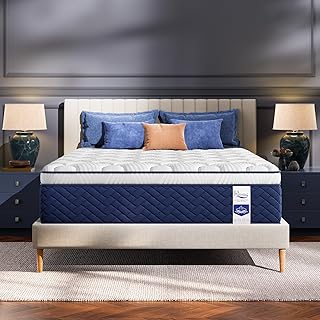
The most broadly wearable mattress in this roundup and the one I’d recommend to most undecided buyers. Seven-zone support handles spinal alignment for back sleepers while leaving enough surface compliance that a night on your side doesn’t end in a dead arm.
Frequently Asked Questions
Is a firm mattress actually better for back pain?
Not reliably. Research on chronic low back pain has repeatedly favored medium-firm surfaces over hard ones, because pain relief depends on neutral spinal alignment rather than resistance. A mattress that’s too firm leaves the lumbar curve unsupported and concentrates pressure on the shoulders and hips.
How long before a new firm mattress stops feeling harsh?
Give it two to four weeks. Foam layers soften slightly with use, and your body needs time to unlearn the postural habits it developed on your old bed. If discomfort is worsening rather than easing by week four, the firmness is genuinely wrong for you.
Can I soften a mattress that’s too firm?
A two- to three-inch topper in latex or high-density foam will meaningfully change the surface feel without undermining the coil support beneath. It’s a cheaper fix than a return — but it won’t rescue a mattress that’s several levels off.
Do side sleepers ever need a firm mattress?
Occasionally, if they’re heavier and would otherwise sink far enough to twist the spine. Most side sleepers, though, do better with medium-firm plus a well-contoured comfort layer at the shoulder.
Final Thoughts
For most shoppers, the Medium Firm 14 Inch Hotel Collection Hybrid is the safest bet — supportive enough for back sleepers, forgiving enough for side nights. Commited back and stomach sleepers should look at the BedStory Firm 13 Inch, while heavier sleepers who’ve flattened lesser beds will want the BedStory Extra Firm 14 Inch. Whichever you choose, use the full trial window; firmness is a verdict your spine delivers after a few weeks, not a feeling you can trust on night one.