Day beds for adults are a smart choice for everyday use when you choose a frame rated for at least 400-500 lbs total weight capacity, a twin or full mattress that is 8 to 12 inches thick, and a design that functions as both a supportive sofa and a flat sleeping surface.
Unlike traditional twin beds or futons, a well-built adult day bed has three sides — a back and two arms — that create a sofa-like frame during the day and a bed at night without folding or unfolding a mechanism. The key to comfort and durability is not the style, but the engineering underneath.
Our top picks
 VECELO Twin Size Daybed Frame Metal Steel
- 🎃Multi-functional Daybed Frame: This metal daybed frame is…
- 🎃Come with premium metal daybed slats: This metal…
- 🎃Simple and Elegant Design: This twin size daybed…
 LIKIMIO Twin XL Daybed with Trundle
- Excellent Versatility: This daybed offers unmatched flexibility by…
- Soft Upholstered Headboard with Charging: The soft upholstery…
- Convenient Storage: This daybed with trundle features storage…
 LIKIMIO Twin Daybed with Trundle
- Excellent Versatility: This daybed offers unmatched flexibility by…
- Soft Upholstered Headboard with Charging: The soft upholstery…
- Convenient Storage: This daybed with trundle features storage…
| Product | Key specs | |
|---|---|---|
| VECELO Twin Size Daybed Frame Metal Steel | 🎃Multi-functional Daybed Frame: This metal daybed frame is… 🎃Come with premium metal daybed slats: This metal… 🎃Simple and Elegant Design: This twin size daybed… | Check price |
| LIKIMIO Twin XL Daybed with Trundle | Excellent Versatility: This daybed offers unmatched flexibility by… Soft Upholstered Headboard with Charging: The soft upholstery… Convenient Storage: This daybed with trundle features storage… | Check price |
| LIKIMIO Twin Daybed with Trundle | Excellent Versatility: This daybed offers unmatched flexibility by… Soft Upholstered Headboard with Charging: The soft upholstery… Convenient Storage: This daybed with trundle features storage… | Check price |
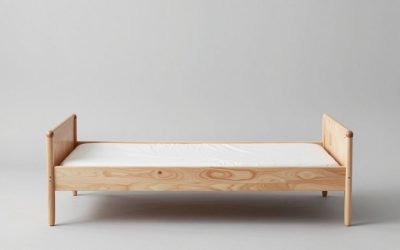
 Twin Size Wood Daybed with 3-Side Rails Twin Size Wood Daybed with 3-Side Rails | Check price |
As an Amazon Associate we earn from qualifying purchases at no extra cost to you.
What Makes a Day Bed Actually Adult-Ready?
Many day beds are marketed for kids’ rooms or guest rooms and are built with lighter slats and lower weight limits. For daily adult use, you need to evaluate four non-negotiables:
- Frame strength: Look for reinforced steel center rails, welded joints on metal frames, or solid wood corner blocks with mortise-and-tenon or dowel joinery. Avoid frames that rely solely on screws into particle board.
- Weight capacity: For one adult sitting and sleeping, 350 lbs static capacity is the absolute minimum. For daily use, couples, or heavier adults, target 500 to 800 lbs total capacity including mattress and occupants.
- Slat system: The slats carry you, not just the mattress. Look for solid wood or metal slats no more than 2.5 to 3 inches apart. Wider gaps cause mattress sag and back pain. A central support leg to the floor is essential for any twin and mandatory for a full.
- Mattress support height: A seat height of 15 to 18 inches from the floor to the top of the mattress feels like a normal sofa. If the platform is too low, getting up is difficult; too high and your feet dangle when sitting.
Twin vs. Full Day Bed: Which Size Should You Choose?
The choice between twin and full is not just about sleeping space — it determines whether the piece works as a sofa, how much room it needs, and who can use it comfortably.
| Feature | Twin Day Bed (38″ x 75″) | Full Day Bed (54″ x 75″) |
|---|---|---|
| Footprint with frame | ~41″ D x 80″ W x 34″ H | ~57″ D x 80″ W x 34″ H |
| Sleeping surface | Best for one adult up to 6’0″ | Comfortable for one adult, tight for two |
| Sofa depth (seating) | ~23-25″ deep — standard sofa feel | ~30-34″ deep — deeper, needs large bolsters |
| Room needed (with 24″ walkway) | Fits in 10×10 ft room, leaves 32″ clearance in front | Requires at least 10×12 ft room, leaves only 18″ clearance if placed on long wall |
| Weight capacity (typical range) | 400 – 600 lbs | 500 – 800 lbs |
| Mattress cost range | Usually $200–$500 for quality foam/hybrid | Usually $300–$700 |
| Best for | Studio apartments, home offices, daily single sleeper | Guest room that hosts couples, adults who toss and turn |
When to pick twin
Choose a twin if the day bed will be your primary sofa. Its shallower depth lets you sit with your back against the back rail and feet on the floor, just like a loveseat. It also leaves crucial clearance: in a 10×12 ft room, a twin placed against the long wall still allows a 30-inch desk or dresser opposite it with a comfortable passage.
When to pick full
Choose a full if two adults will occasionally sleep on it or if you are over 6 feet tall and want shoulder room. Be aware that a full used as a sofa is very deep. Without 20 to 24-inch deep back pillows or a bolster system, you will need to prop yourself against the back, which is not ergonomic for working on a laptop for hours. Plan for at least 57 inches of wall length plus 6 inches on each side for bedding overhang.
Frame Materials and Construction: Trade-Offs for Daily Use
For adults using the bed every night, the frame material dictates noise, longevity, and stability.
| Material | Pros for Everyday Adult Use | Cons | Typical Weight Limit |
|---|---|---|---|
| Solid Wood (e.g., pine, rubberwood, acacia) | Quiet, no squeaking, can be tightened and refinished, warm look | Heavier (80-120 lbs boxed), can dent, needs humidity control to prevent cracking | 450 – 600 lbs |
| Metal (steel tube, powder-coated) | Strongest capacity, lightest frame (55-75 lbs), most affordable, easy to move | Can squeak if bolts loosen, feels colder, welded joints cannot be repaired easily | 500 – 800 lbs |
| Engineered Wood / MDF with Veneer | Lowest price (usually $250–$450), clean modern look | Lowest durability, screws strip easily, swells with moisture, not ideal for daily adult weight | 300 – 400 lbs |
| Upholstered (wood/metal core + foam + fabric) | Most comfortable as a sofa, no hard rails against your back | Fabric stains and absorbs odor, foam compresses over 2-3 years, harder to clean | 400 – 600 lbs |
For daily sleeping, solid wood with a metal center support rail or an all-metal platform offers the best durability-to-price balance. If you want the upholstered look, choose a performance fabric like tightly woven linen-blend or velvet with a rub count above 30,000 and removable covers.
Dual Use as Sofa and Bed: How to Make It Comfortable for Both
A day bed fails as a sofa when the mattress is too soft or too thick, and fails as a bed when the setup is too fussy.
The mattress matters more than the frame
For dual use, a medium-firm hybrid or firm foam mattress that is 8 to 10 inches thick is ideal. Under 8 inches, you will feel the slats. Over 12 inches, the back rail becomes too short to lean against comfortably and the seat height becomes awkwardly high at 20+ inches. Foam density should be at least 1.8 lbs per cubic foot for polyfoam or 4 lbs per cubic foot for memory foam to prevent permanent body impressions within a year.
Make the sofa conversion simple
The most comfortable adult setups use three components: the mattress, a set of large Euro pillows (26×26 inches) against the back rail, and a narrow bolster or lumbar pillow along the back. This creates a 22 to 24-inch seat depth and proper back support. Avoid stacking standard sleeping pillows — they slide and look messy. A fitted daybed cover that wraps the mattress on three sides keeps bedding in place during the day and makes the transition to bed instant: just remove the bolster.
Trundle vs. no trundle
A trundle adds a second twin sleep surface for guests but raises the main platform height by 4 to 6 inches and eliminates under-bed storage. If you need daily storage in a small apartment, skip the trundle and choose a model with 10 to 12 inches of clearance underneath for bins. If you host guests monthly, a trundle is more comfortable than an air mattress.
Decision Matrix: Which Day Bed Fits Your Situation?
Use your primary use case to narrow your choice quickly:
| Your Situation | Recommended Pick | Why |
|---|---|---|
| Small studio or home office (under 120 sq ft) | Twin metal or solid wood, no trundle | Smallest footprint, keeps 24-30″ walkway, doubles as office sofa |
| Daily sleeper with back pain | Twin or full solid wood with solid slats <3″ apart + 10″ medium-firm hybrid | Flat, non-flexing support prevents sag; hybrid gives pressure relief without hammocking |
| Renter who moves often | Twin metal platform | Lightest to disassemble, fits through 29″ doorways, most affordable to replace |
| Kids, pets, or messy daily use | Metal or solid wood with performance fabric bolsters (not fully upholstered) | Wipeable frame, washable covers; fully upholstered sides trap pet hair |
| Guest room that hosts couples | Full with trundle or full with high capacity (600+ lbs) | Sleeps two without a separate guest bed; full is minimum for two adults |
Assembly, Moving, and What Wears Out First
Measure before you buy. Most day beds ship in one to two boxes weighing 60 to 120 lbs total. The longest piece is usually the 78 to 80-inch side rail, which needs a 30-inch wide doorway and a stairwell clearance of at least 84 inches diagonally to turn. Many apartment elevators are only 80 inches tall, so check that.
Assembly typically takes 60 to 90 minutes with two people and requires tightening 16 to 24 bolts. The most common failure point is not the frame itself but the slat system: thin pine slats crack and center support legs loosen and squeak. Apply thread-lock tape to bolts during assembly and re-tighten after the first 30 days of use.
What wears first on daily-use models: the mattress edge where you sit, the fabric on the arms, and the slat screws. Rotate a foam mattress 180 degrees every 3 months, add a mattress protector to reduce friction, and choose a frame with recessed hardware so bedding does not snag. With solid construction, a metal or solid wood frame should last 8 to 12 years; an engineered wood frame used daily often shows wobble within 2 to 3 years.
Final Checklist Before You Buy
- Verify the listed weight capacity includes mattress + occupants (some list frame only).
- Check slat spacing and count — 12 to 14 slats for a twin, 14 to 16 for a full is a good sign.
- Confirm total height with your chosen mattress will keep seat height at 15 to 18 inches.
- Measure your room: tape out 42×81 inches for twin or 58×81 inches for full and ensure 24 inches of walkway remains.
- For everyday sleeping, budget usually $400–$800 for a durable twin frame and $500–$1000 for a full, plus mattress.
A day bed for adults works when you treat it as a real bed first and a sofa second. Prioritize a strong, quiet frame and a supportive mattress in the right size for your room, and the dual function becomes effortless rather than a compromise.