A contour pillow and a neck roll solve the same problem from opposite directions. The contour pillow replaces your bed pillow entirely with a molded foam block that positions the whole head and neck. The neck roll is a small cylinder, usually 3 to 4 inches in diameter and 16 to 20 inches long, that slips under your neck or inside your existing pillowcase to restore the curve of the cervical spine while you keep the pillow you already like. One is a full commitment; the other is an add-on. The buyer’s real question is whether the problem is the pillow or just the missing support under the neck.
Quick Verdict
Choose a contour pillow if you sleep mainly on your side or back, wake with neck stiffness, and are willing to spend a week adjusting to a new shape. A mid-range adjustable model like the Ultra Pain Relief Cooling Pillow for Neck Support at $39.98 covers most adults. Choose a neck roll if you are happy with your current pillow, sleep mostly on your back, travel often, or want a low-cost fix first. The OPTP Original McKenzie Cervical Roll at $28.99 is the physical-therapy standard, and the AllSett Health Firm Cervical Neck Roll at $17.99 is a firmer memory foam version that doubles as a bolster. If in doubt, try the roll first; it costs less and tells you quickly whether extra neck support helps.
Our top picks
 Contour Legacy Leg & Knee Foam Support
- ORTHOPEDIC LEG PILLOW TO HELP REDUCE BACK, HIP,…
- When we first invented our leg pillow back…
- Unlike traditional memory foam leg pillow that are…
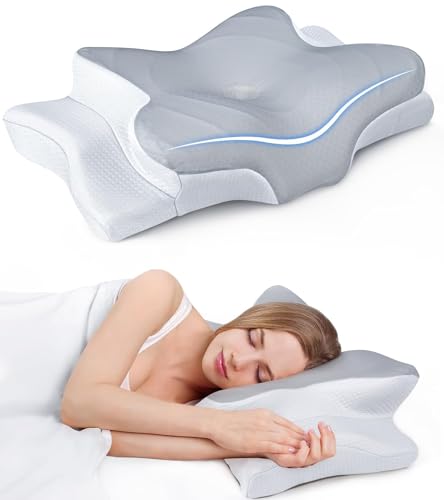 Ultra Pain Relief Cooling Pillow for Neck
- Tired of waking up with neck pain and…
- EXPERIENCE UNINTERRUPTED, BLISSFUL SLEEP WITH OUR VERSATILE PILLOW…
- Unlike 90% of support pillows, Cozyplayer utilizes the…
| Product | Key specs | |
|---|---|---|
| Contour Legacy Leg & Knee Foam Support | ORTHOPEDIC LEG PILLOW TO HELP REDUCE BACK, HIP,… When we first invented our leg pillow back… Unlike traditional memory foam leg pillow that are… | Check price |
| Ultra Pain Relief Cooling Pillow for Neck | Tired of waking up with neck pain and… EXPERIENCE UNINTERRUPTED, BLISSFUL SLEEP WITH OUR VERSATILE PILLOW… Unlike 90% of support pillows, Cozyplayer utilizes the… | Check price |
 OPTP The Original McKenzie Cervical Roll OPTP The Original McKenzie Cervical Roll | Check price | |
 AllSett Health Firm Cervical Neck Roll Memory AllSett Health Firm Cervical Neck Roll Memory | Sleeping with the memory foam round pillow, provides… Our round cervical pillow for neck pain is… This cervical support pillow can serve as a… | Check price |
As an Amazon Associate we earn from qualifying purchases at no extra cost to you.
Side by Side
| Factor | Contour Pillow | Neck Roll Pillow |
|---|---|---|
| Comfort | Supports head and neck together; 3 to 14 night adjustment | Targets the neck curve only; feels natural within a night or two for back sleepers |
| Side sleeping | Good, using the taller ridge of 4 to 6 inches | Poor on its own; too low unless paired with a pillow |
| Durability | 2 to 4 years before foam softens | 3 to 5 years; small foam cylinder holds shape well |
| Price range | $25 to $80 | $15 to $35 |
| Size and weight | About 23 x 14 x 5 inches, 2 to 4 lbs | About 3 to 4 inches diameter x 16 to 20 inches, under 1 lb |
| Maintenance | Wash cover only; foam cannot be machine washed | Wash cover; some rolls are fully washable |
| Space needed | Replaces one bed pillow | Fits inside or under an existing pillow; packs in a carry-on |
| Look | Obvious molded shape under the case | Invisible when tucked inside a pillowcase |
| Resale | Low; used foam pillows rarely resell | Very low, but cheap enough not to matter |
| Best for | Side and back sleepers with chronic neck stiffness | Back sleepers, travelers, and anyone testing neck support |
Where Contour Pillow Wins
A contour pillow controls the entire head position, not just the neck. That matters for side sleepers, who need 4 to 6 inches of loft to keep the ear level with the shoulder. A neck roll cannot provide that height by itself. The raised side wings on many contour designs also stop the head from tilting down toward the mattress, which is the mechanical cause of most morning neck aches in side sleepers.
Contour pillows are also more forgiving of movement within a position. If you shift a few inches during the night you are still on foam that is shaped to support you. A roll placed under the neck can migrate up behind the head or down between the shoulder blades, and at that point it is doing nothing.
Finally, the better contour pillows are adjustable. A removable insert changes the height by roughly an inch, so one pillow can be tuned for a 5 foot 3 inch and a 6 foot 1 inch sleeper. A roll comes in one diameter.
Where Neck Roll Pillow for Cervical Spine Wins
The neck roll wins on cost, portability, and ease of adoption. At $15 to $30 it is the cheapest cervical support you can buy, it weighs under a pound, and it fits in a suitcase pocket. If hotel pillows leave you stiff, a roll fixes that for every trip.
It also works with the pillow you already own. Slide it inside the pillowcase along the bottom edge and your soft down or fiber pillow gains a firm neck shelf without losing the feel you like on your cheek. For back sleepers this is often all that is needed.
Rolls are more versatile off the bed as well. A firm memory foam bolster like the AllSett roll serves as lumbar support in a chair or a knee bolster, and there is almost no adjustment period.
Cost Over 5 Years
A contour pillow costs $25 to $60 for a mid-range adjustable model. Foam softens noticeably after 2 to 4 years, so plan on buying twice in 5 years. Add a spare cover at $10 to $15. Five-year total: roughly $60 to $135.
A neck roll costs $15 to $30 and typically lasts the full 5 years because the small cylinder is under far less load than a full pillow. You will still be buying regular pillows underneath it, at $20 to $40 every 2 to 3 years, which you would buy anyway. Five-year total attributable to the roll: $15 to $35.
The gap is $45 to $100 over 5 years, small enough that sleep position should drive the decision, but large enough that testing with a roll first makes sense.
Which One for Your Home
Small Apartment
A neck roll takes up no extra space and can be tucked away in the morning, which matters on a daybed or a studio bed that doubles as seating. A contour pillow is one more oddly shaped item that does not stack neatly with decorative pillows. If the bed is on display all day, the roll is the tidier choice.
Family With Kids or Pets
A contour pillow is harder for a child to drag around and easier to keep in place, and its washable cover handles pet hair well. Neck rolls tend to migrate: they end up on the floor, in the dog bed, or as a toy. Either way, cervical pillows of both types are sized for adults and are not appropriate for young children.
Rental
Renters who move every year or two should favor the roll for its size and because it works with any pillow the next place happens to have. A contour pillow needs its shape protected in a box rather than stuffed in a bag.
Long-Term Home
In a permanent bedroom, the contour pillow makes more sense for the primary sleeper with neck issues, since you will replace it on your own schedule and can build the rest of the bedding around it. Keep a roll in the guest room or travel bag. Some households add a leg support like the Contour Legacy Leg & Knee Foam Support Pillow at $32.95 so that the hips stay aligned as well; neck support alone does not fix a twisted lower back in 2026 any more than it did before.
FAQ
Can I use a neck roll and a contour pillow together?
Usually not. The contour pillow already has a raised neck ridge, so adding a roll pushes the neck too high. Use the roll with a flat conventional pillow instead.
Which is better for side sleepers?
The contour pillow. A neck roll alone leaves a side sleeper’s head 2 to 3 inches too low. If you want to keep your regular pillow, place the roll along the bottom edge inside the case to firm up the neck area rather than relying on it for height.
How firm should a neck roll be?
Firm enough that your neck does not compress it flat. The McKenzie-style foam rolls are medium-firm and compress about an inch under the head; memory foam rolls are firmer and compress less. If the roll feels like it is pushing the chin up, it is too large in diameter.
How long does it take to adjust to a contour pillow?
Most people need 3 to 14 nights. If it still hurts after two weeks, the ridge height is wrong rather than the pillow type. Remove the insert on an adjustable model or step down to a lower profile before giving up.