Key takeaways
- Recline range that clears 160°: True neutral body posture puts your knees at or slightly above heart level. Chairs capping out near 140° hold you in a seated wedge that keeps loading the lumbar discs. Look for 0–170° or 90–170° travel and confirm the lock holds mid-range, not just at the extremes.
- Lumbar contact, not just padding: A soft cushion that bridges the small of your back leaves a gap where support matters most. Prioritize a repositionable lumbar pillow or contoured cushion you can slide to your own curve — spine length varies far more between adults than seat width does.
- Frame width and capacity headroom: A 33-inch seat and a 500 lb rating aren’t only for larger bodies. Extra capacity means less frame flex, which means the recline angle you set is the angle you actually get. Undersized frames twist under load and introduce asymmetry — a common trigger for one-sided back pain.
- Massage mechanism, if you go that route: SL-track systems follow the spine from neck through glutes; shorter tracks stop at the mid-back and miss the sacroiliac region where a lot of chronic pain originates. 4D rollers adjust depth and speed, which matters if you’re sensitive or managing an acute flare.
- Where it will actually live: Powered massage recliners need clearance behind them and a nearby outlet; folding loungers need somewhere to fold. Be honest about this before buying — the most therapeutic chair is the one you sit in daily, not the one you step around.
What's inside
If you’ve ever spent the small hours of the morning shifting from side to back to side again, hunting for the one position that doesn’t light up your lumbar spine, you already understand the appeal of a zero gravity chair. As someone who spends most of my working life helping people troubleshoot their sleep, I see the same pattern constantly: the pain isn’t always worst during activity — it’s worst during stillness, when gravity has had eight hours to compress the discs and the surrounding muscles have quietly seized up. A flat mattress asks your lower back to hold a shape it doesn’t want to hold. A neutral-body-position recliner doesn’t.
The trouble is that “zero gravity” has become a marketing sticker rather than a specification. It now covers everything from a $70 mesh patio lounger to a $4,000 shiatsu massage unit, and the two are not solving the same problem. This guide separates them. Below you’ll find picks for daytime decompression, evening recovery, and full therapeutic massage, plus the selection criteria that actually correlate with relief — recline angle, knee-above-heart geometry, lumbar support, and frame integrity — so you can spend your money on the version that fits your back and your room.
As an Amazon Associate we earn from qualifying purchases.


🛒 Best Price Today on Amazon
Prime members get fast, free shipping on everything above, plus member-only deals. New members get a 30-day free trial — cancel anytime.
How to Choose a Zero Gravity Chair For Back Pain (2026)
- Recline range that clears 160°: True neutral body posture puts your knees at or slightly above heart level. Chairs capping out near 140° hold you in a seated wedge that keeps loading the lumbar discs. Look for 0–170° or 90–170° travel and confirm the lock holds mid-range, not just at the extremes.
- Lumbar contact, not just padding: A soft cushion that bridges the small of your back leaves a gap where support matters most. Prioritize a repositionable lumbar pillow or contoured cushion you can slide to your own curve — spine length varies far more between adults than seat width does.
- Frame width and capacity headroom: A 33-inch seat and a 500 lb rating aren’t only for larger bodies. Extra capacity means less frame flex, which means the recline angle you set is the angle you actually get. Undersized frames twist under load and introduce asymmetry — a common trigger for one-sided back pain.
- Massage mechanism, if you go that route: SL-track systems follow the spine from neck through glutes; shorter tracks stop at the mid-back and miss the sacroiliac region where a lot of chronic pain originates. 4D rollers adjust depth and speed, which matters if you’re sensitive or managing an acute flare.
- Where it will actually live: Powered massage recliners need clearance behind them and a nearby outlet; folding loungers need somewhere to fold. Be honest about this before buying — the most therapeutic chair is the one you sit in daily, not the one you step around.
The Best Zero Gravity Chairs For Back Pain (2026), Reviewed
FURNIMAT Full Body Zero Gravity Massage Recliner (2026)
With 14 shiatsu rollers, 10 airbags, targeted heat and a foot massage module, this is the most complete recovery setup here — heat plus compression is a genuinely effective combination for the muscle guarding that follows a long day upright. The touchscreen and preset auto modes make it realistic to use nightly, which is where the actual benefit accumulates.
4D SL-Track 55″ Massage Chair with Body Scan
The 55-inch SL-track and body scan are the differentiators: rollers map to your specific spine length and follow the curve into the glutes rather than stopping short at the mid-back. Add 4D depth control and yoga stretch, and it’s the strongest pick for persistent lower-back and sciatic-pattern discomfort.
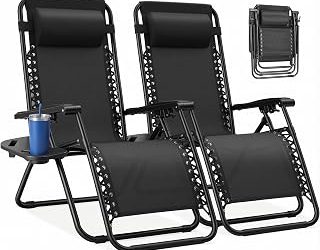
Oversized 33″ XXL Zero Gravity Chair, 500 lb
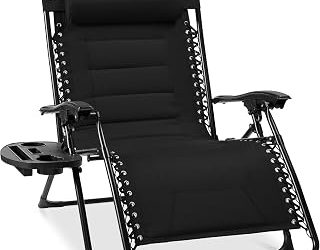
A clean, well-executed take on the classic lounger: aluminum alloy locking, a 90–170° range that reaches true neutral posture, and a wide seat that keeps the frame from flexing under load. My preferred pick for daily decompression breaks without committing to a powered unit.
Colegence Oversized Padded Zero Gravity Chair, 400 lb
The 600D Oxford padding and adjustable pillow give you real lumbar and cervical positioning rather than one-size tension fabric, and the 0–170° lock is smooth enough to fine-tune. No assembly and a compact fold make it the most practical option for smaller spaces and travel.
Suteck Oversized 500 lb XXL Recliner
An upgraded locking mechanism plus removable cushion and headrest make this the most adaptable budget-conscious choice — you can strip it down for patio heat or build it up for indoor evening use. Solid value if you want XXL stability without paying for extras.
Frequently Asked Questions
Does a zero gravity chair actually reduce back pain?
The position does something measurable: elevating the knees above the heart reduces compressive load on the lumbar discs and lets the paraspinal muscles release. It’s supportive care, not a cure, and it works best alongside movement and a mattress that suits you. If pain is new, severe, or accompanied by numbness or weakness, get it assessed before self-treating.
Can I sleep in one overnight?
Many people with reflux, sleep apnea or acute lumbar pain do sleep better semi-reclined, and short-term it’s reasonable. Long-term, prioritize a chair with a headrest that supports the cervical curve — an unsupported neck will simply relocate your pain northward by morning.
Is a massage chair worth the jump in price?
If your pain is primarily muscular — tightness, spasm, that band across the low back after sitting — then heat and rollers add real value over positioning alone. If you mainly need decompression and a place to unload for twenty minutes, a well-built oversized lounger delivers most of the benefit for a fraction of the cost.
How long should each session be?
Start with 15 to 20 minutes, once or twice daily. With massage functions, cap early sessions around 15 minutes and increase intensity gradually; overdoing deep roller work in the first week commonly produces next-day soreness that people mistake for injury.
Final Thoughts
If your back pain is chronic and muscular, the 4D SL-Track chair is the most therapeutically capable option here, with the FURNIMAT 2026 recliner close behind for its heat-plus-compression combination at a friendlier price. For everyone else — and that’s most people — the Oversized 33″ XXL 500 lb lounger delivers the genuine decompression benefit of neutral body position with nothing to plug in and nothing to break.