
Key takeaways
- Maximum Weight Recommendation: 600 Pounds
- Warranty Type: Push up board
- Assembly Instructions Description: No assembly required
There is a specific kind of silence that settles over a home gym eight months after it was purchased. The pull-up bar becomes a coat hook. The spin bike holds a laundry basket. What separates the equipment that survives that silence from the equipment that doesn’t has almost nothing to do with specs — it comes down to how many seconds pass between deciding to train and actually moving weight. Anything that requires more than about ninety seconds of setup gets skipped on a Tuesday when work ran late.
I’ve watched this play out across dozens of basements, spare bedrooms, and one-car garages, and the pattern is consistent. The gear that earns permanent floor space tends to be heavy, boring, and adjustable in under ten seconds. The gear that gets sold at a loss on marketplace listings is usually the one with a screen, a subscription, or a single fixed movement pattern. What follows is a breakdown of the categories that hold up over years rather than weeks, and the specific attributes worth paying for in each.
Our top picks
 MQRW Push Up Board
- Maximum Weight Recommendation: 600 Pounds
- Warranty Type: Push up board
- Assembly Instructions Description: No assembly required
 HOXWC Ankle Resistance Bands with Cuffs
- Tension Supported: 10LB, 20LB, 30LB
- Number of Resistance Levels: 3
- Material Type: Neoprene
| Product | Key specs | |
|---|---|---|
| MQRW Push Up Board | Maximum Weight Recommendation: 600 Pounds Warranty Type: Push up board Assembly Instructions Description: No assembly required | Check price |
| HOXWC Ankle Resistance Bands with Cuffs | Tension Supported: 10LB, 20LB, 30LB Number of Resistance Levels: 3 Material Type: Neoprene | Check price |
 WIKDAY Resistance Bands for Working Out Exercise WIKDAY Resistance Bands for Working Out Exercise | Check price | |
 MERACH Ab Machine MERACH Ab Machine | Check price | |
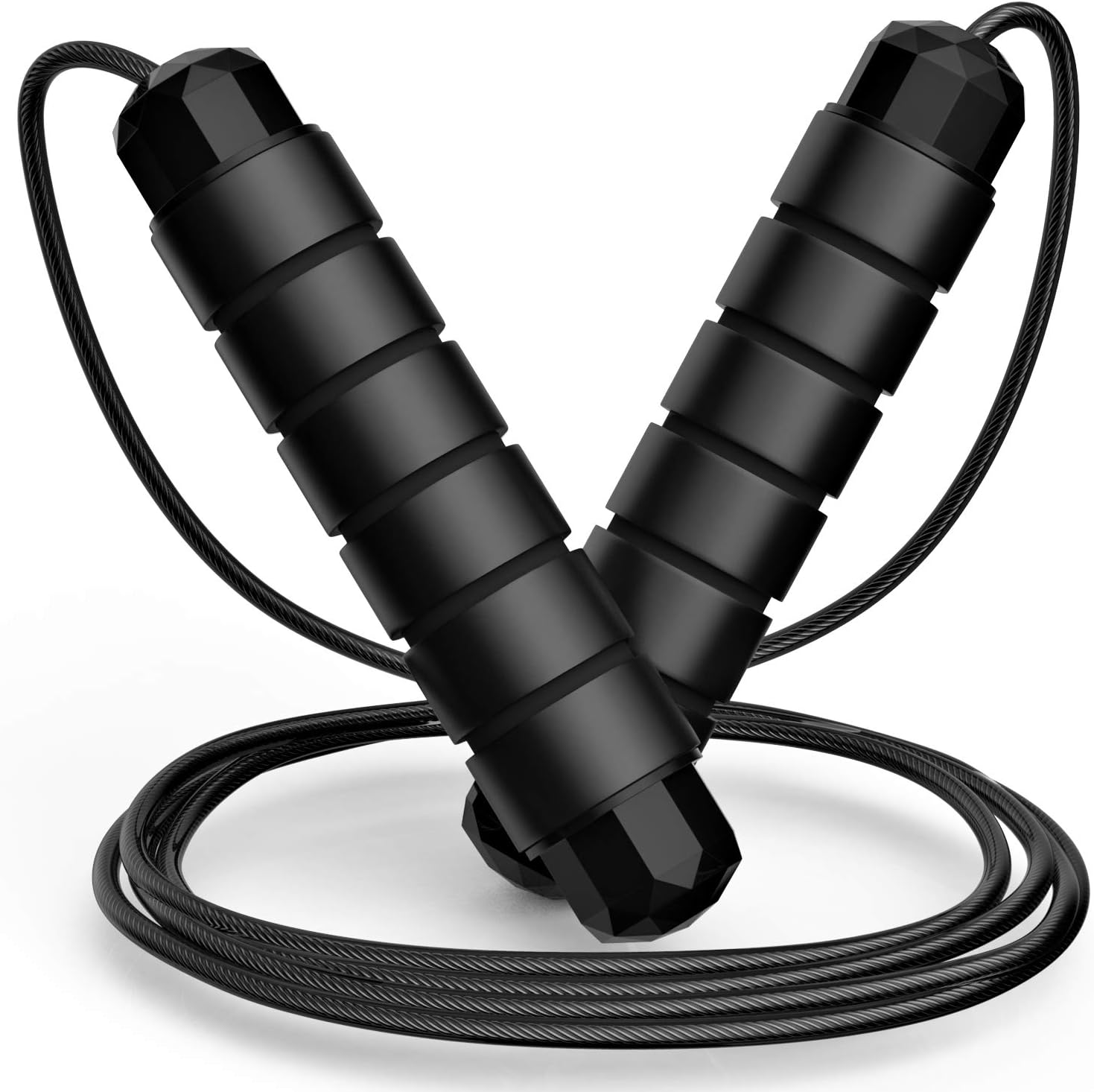 Jump Rope Jump Rope | Target Audience: Adult Recommended Uses For Product: Endurance, Exercise and Fitness, Speed Item Length: 280 Centimeters | Check price |
 Ayombo Pilates Bar Kit with Resistance Bands Ayombo Pilates Bar Kit with Resistance Bands | Recommended Uses For Product: At Home Pilates Workout Tension Supported: Heavy Number of Resistance Levels: 2 | Check price |
 Pedal Resistance Band with Handle Pedal Resistance Band with Handle | Check price | |
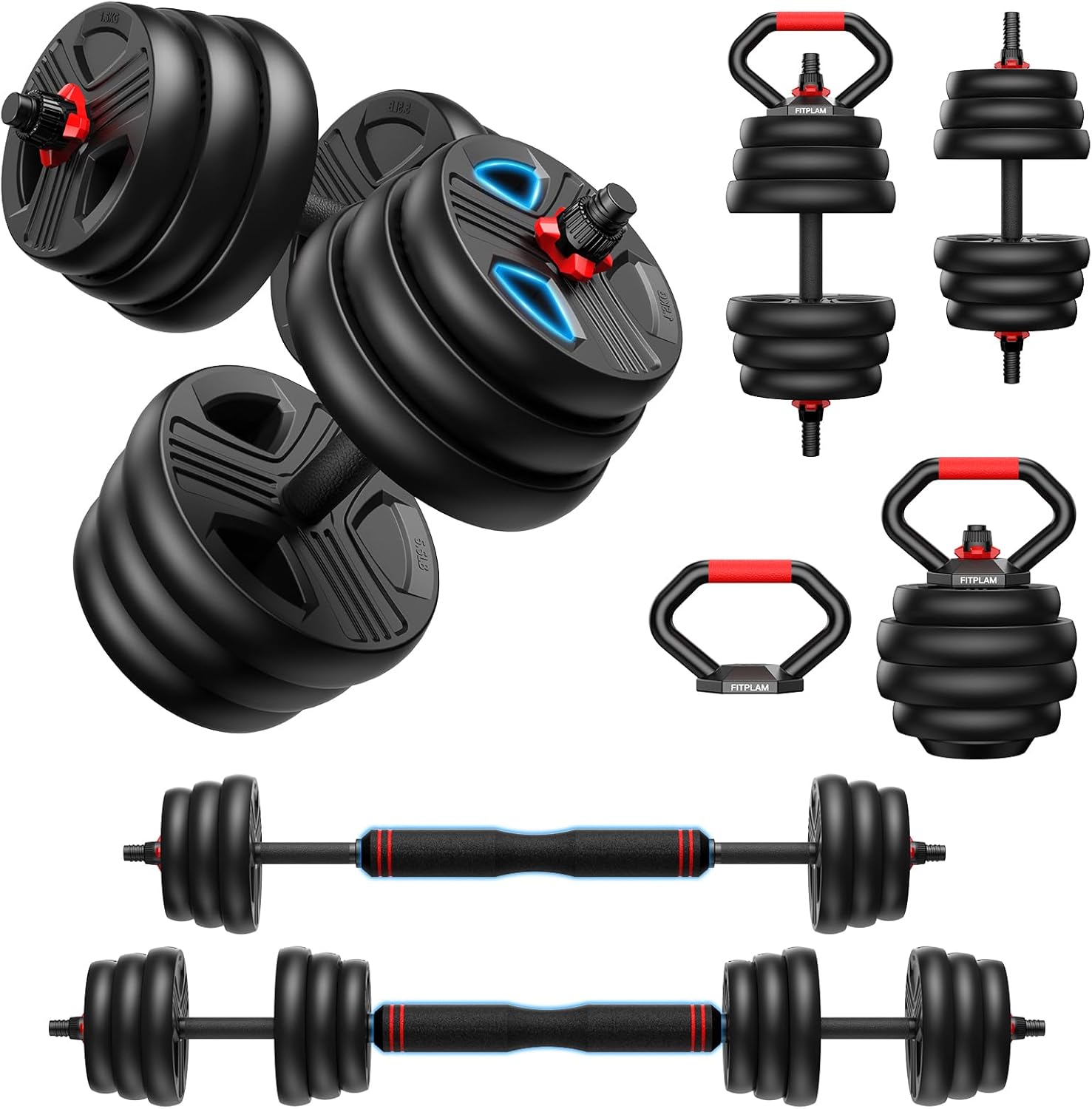 FITPLAM Adjustable dumbbell set FITPLAM Adjustable dumbbell set | Easily converts into dumbbells, kettlebells, barbells, weight plates,… Featuring a unique red-and-black double-lock system, the red… Customize your training intensity with adjustable weights options | Check price |
As an Amazon Associate we earn from qualifying purchases at no extra cost to you.
As an Amazon Associate we earn from qualifying purchases.

Quick Comparison
| Equipment | Best For | Footprint | Why It Stays In Rotation |
|---|---|---|---|
| Dial-Adjustable Dumbbells | Full-body strength in tight spaces | About 2 sq ft on a cradle | Replaces roughly 15 pairs; weight changes take seconds |
| Folding Incline Treadmill | Bad-weather cardio and walking work | Folds to roughly 12 in deep | Low friction to use; incline extends its useful life |
| Cast Iron Kettlebells | Conditioning, hinges, carries | Under 1 sq ft | Nothing to break, ever |
| Adjustable FID Bench | Pressing, rows, step-ups | Stores upright against a wall | Turns dumbbells into a real strength system |
| Magnetic Rower | Low-impact full-body cardio | 8 ft laid flat, stands vertically | Quiet enough for apartments and early mornings |
| Resistance Band Set | Pulling, rehab, travel | Fits in a drawer | Cheap insurance against a missing pull motion |
| Suspension Trainer | Bodyweight rows and core work | Hangs on a door anchor | Scales difficulty by foot position alone |
How to Choose
- Measure your ceiling, not just your floor. Overhead pressing and jumping rope both need clearance. A 7-foot basement ceiling quietly rules out half of what people buy, and nobody discovers this until the box is open.
- Count the setup steps. Write down every action between walking into the room and completing your first rep. Three steps is sustainable. Seven is not, regardless of how motivated you feel in the store.
- Buy weight capacity you’ll grow into, then add 40 percent. Deadlifts and rows outpace pressing strength fast. A bench rated to 600 pounds total costs modestly more than one rated to 400 and removes an entire future purchase.
- Check the noise profile against your living situation. Magnetic and air resistance are not comparable — air rowers and fan bikes are genuinely loud, which matters if anyone sleeps nearby or lives below you.
- Prefer mechanical simplicity for anything you want to keep a decade. Plates, pins, and cast iron don’t need firmware. Screens and proprietary consumables become the reason equipment gets abandoned long before the frame wears out.
Top Picks Reviewed
Dial-Adjustable Dumbbells
The single highest-utility purchase for most home setups. A pair spanning roughly 5 to 50 pounds per hand covers presses, rows, curls, lunges, and loaded carries, and the dial mechanism means you can drop from a working set to a drop set without leaving the mat. The tradeoff is honest: they’re bulkier than fixed dumbbells at the same weight, and they should not be dropped from overhead. Look for a design where the handle locks positively rather than by friction, and set the cradles somewhere you can reach them from a seated position on the bench.
Folding Incline Treadmill
Treadmills get mocked as clothes racks, but the ones with a genuine 10 to 12 percent incline range survive because incline walking is sustainable for decades in a way that running often isn’t. Prioritize deck cushioning and motor continuous-duty horsepower over top speed, since almost nobody sprints indoors long term. A folding deck with a hydraulic assist is worth the premium if the machine shares a room with anything else.
Cast Iron Kettlebells
Two bells — one moderate, one heavy — outlast nearly everything else you’ll buy. Swings, goblet squats, and single-arm presses cover an enormous amount of ground, and there is no failure mode beyond chipped paint. Buy a smooth-handled, single-cast bell; the welded-seam variety will eventually tear up your palms on high-rep sets.
Adjustable FID Bench
The multiplier. A flat-incline-decline bench converts a dumbbell pair from a supplemental tool into a complete strength program, and it doubles as a step-up platform and a support for single-arm rows. Wobble is the thing to test — a bench with a three-post base and a locking ladder adjustment will feel dramatically more secure under a heavy press than a folding two-post frame.
Magnetic Rowing Machine
For anyone who wants cardio that doesn’t punish knees or ankles, this is the one that keeps getting used. Magnetic resistance stays quiet enough for a shared wall at six in the morning, and the vertical storage option means it lives in a corner rather than dominating a room. Check that the rail length accommodates the tallest person in the household before ordering.
Resistance Band Set
Not glamorous, and not a substitute for weight, but the cheapest way to cover pulling patterns and shoulder health in a room without a cable stack. A layered set with a door anchor and handles handles face pulls, pull-aparts, and rotational work. Replace them when the latex starts to look chalky rather than waiting for the snap.
Suspension Trainer
Bodyweight rows are the most commonly missing movement in home gyms, and a suspension trainer solves it for the price of a single dumbbell. Difficulty adjusts by walking your feet forward or back, which makes it usable by a beginner and a strong lifter on the same anchor point. Confirm your door frame is solid before trusting the over-door anchor with full body weight.
Frequently Asked Questions
How much space do I actually need?
A functional strength setup fits in roughly 6 by 6 feet: bench, dumbbells, and a mat. Adding cardio equipment is what pushes you past a single-car garage bay. Measure your movement envelope, not the equipment footprint — lunging and pressing both need more room than the gear itself occupies.
Are adjustable dumbbells durable enough for serious training?
Yes, with one caveat: they’re built for controlled sets, not for being dropped. If your training involves failing on heavy presses without a spotter, fixed dumbbells or a barbell setup is the safer investment. For everything else, quality adjustables handle years of regular use.
Should I start with cardio equipment or weights?
Weights, in most cases. Cardio has free alternatives — walking outside, stairs, a jump rope — while progressive resistance genuinely requires equipment. Buy cardio machines when weather, safety, or schedule reliably prevent you from training outdoors.
Is a rack worth it for a home gym?
Only if you’re committed to barbell training. A rack is a large, permanent commitment that pays off enormously for squats and bench press but sits idle for anyone whose program is dumbbell and kettlebell based. Be honest about which lifter you are before dedicating the floor space.
Final Thoughts
The equipment that lasts is rarely the equipment that photographs well. It’s the bench that doesn’t wobble, the dumbbells you can change without thinking, and the bells that will outlive the house. Start with the smallest set that covers pushing, pulling, hinging, and squatting — realistically dumbbells, a bench, and a kettlebell — and train on it for three consistent months before adding anything else. What you’ll discover is that the gap in your setup is almost never what you expected when you were shopping, and the money you didn’t spend up front is exactly what lets you fill that real gap when you find it.
Best Rack Gym in 2026: Specs and Prices Compared
A rack gym solves one stubborn problem: you want heavy compound lifts,...
Best Shoes for Jump Rope: 5 Picks for Concrete and Timber
Best shoes for jump rope depends first on what is under your...
8 Best Shoes for Jump Rope: Forefoot Cushioning and Drop Guide
Best shoe for jump rope selection is a forefoot problem, not a...
8 Best Full Body Workout Equipment: 6 Machines vs Free Weights
Best full body workout equipment splits into two genuinely different answers: one...
8 Best Gym Equipment for Full Body Workout: 5 Key Choices
Best gym equipment for full body workout setups should be judged by...
8 Best Workout Gym Equipment: 6 Heavy-Duty Picks for Home Use
Best workout gym equipment for a garage or basement is a structural...
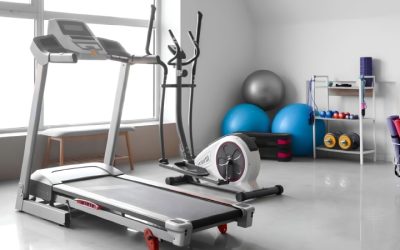
Best Workout Exercise Equipment: 6 Picks for Small Homes
Best workout exercise equipment lists usually start with the item and end...
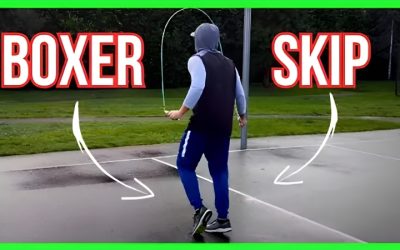
Best Boxer Jump Rope: 6 Picks for Footwork and Conditioning
Best boxer jump rope shopping gets confusing because boxer rope is both...
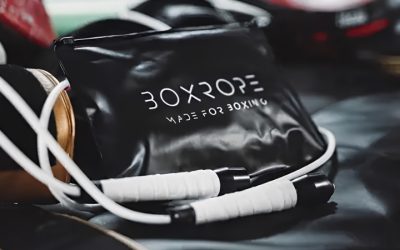
Best Boxing Jump Rope: 6 Picks for 3-Minute Round Drills
Best boxing jump rope selection is a weight decision before it is...
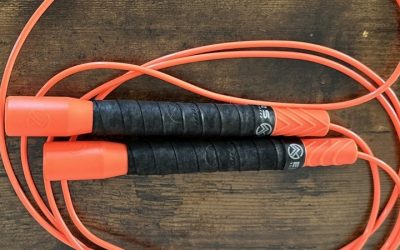
8 Best Beginner Jump Ropes: 6 Easy-Timing Picks for Home Use
Best beginner jump rope choices come down to cord speed, not brand...
Write Your Review
No reviews yet. Be the first to share your experience!