
Key takeaways
- Maximum Weight Recommendation: 600 Pounds
- Warranty Type: Push up board
- Assembly Instructions Description: No assembly required
Measure before you buy anything. A two-car garage bay averages about 10 by 20 feet, and once you park the recycling bins and a water heater in the corner, you are realistically training in a footprint of roughly 8 by 10. That rectangle determines almost every decision that follows: whether a barbell fits sideways, whether a rack with a pull-up bar clears the ceiling, whether you can drop a loaded bar without cracking the slab. Ceiling height is the other hard constraint. A standard 84-inch upright plus a 6-foot-tall lifter doing overhead press needs about 8 feet of clearance, which most basements do not have. Find those two numbers first, write them on a sticky note, and shop against them.
The second thing worth accepting early: a home gym succeeds or fails on friction, not on equipment quality. Every extra step between walking through the door and picking up a weight costs you sessions. That means the bar lives on the rack, the dumbbells sit at knee height instead of on the floor, and nothing gets stored in front of the thing you use most. The six pieces below are ordered by how much training they unlock per square foot, and the flooring comes first because it is the one item people skip and then regret when they are chiseling a dumbbell dent out of a concrete floor.
Our top picks
 MQRW Push Up Board
- Maximum Weight Recommendation: 600 Pounds
- Warranty Type: Push up board
- Assembly Instructions Description: No assembly required
 YOLEO Adjustable Weight Bench for Home Gym
- Item Dimensions D x W x H: 41"D x 12.6"W x 42.5"H
- Material: Alloy Steel
 Ayombo Pilates Bar Kit with Resistance Bands
- Recommended Uses For Product: At Home Pilates Workout
- Tension Supported: Heavy
- Number of Resistance Levels: 2
| Product | Key specs | |
|---|---|---|
| MQRW Push Up Board | Maximum Weight Recommendation: 600 Pounds Warranty Type: Push up board Assembly Instructions Description: No assembly required | Check price |
| YOLEO Adjustable Weight Bench for Home Gym | Item Dimensions D x W x H: 41"D x 12.6"W x 42.5"H Material: Alloy Steel | Check price |
| Ayombo Pilates Bar Kit with Resistance Bands | Recommended Uses For Product: At Home Pilates Workout Tension Supported: Heavy Number of Resistance Levels: 2 | Check price |
 NICEPEOPLE Adjustable Weight Bench for Home Gym NICEPEOPLE Adjustable Weight Bench for Home Gym | Item Dimensions D x W x H: 46"D x 16.7"W x 17.2"H Material: Superior Alloy Steel | Check price |
 Hip Thrust Belt Hip Thrust Belt | Material: Neoprene Closure Type: Hook and Loop | Check price |
 HOXWC Ankle Resistance Bands with Cuffs HOXWC Ankle Resistance Bands with Cuffs | Tension Supported: 10LB, 20LB, 30LB Number of Resistance Levels: 3 Material Type: Neoprene | Check price |
 WIKDAY Resistance Bands for Working Out Exercise WIKDAY Resistance Bands for Working Out Exercise | Check price | |
 SincMill Home Gym Multifunctional Full Body Workout SincMill Home Gym Multifunctional Full Body Workout | Warranty Description: 10 Years Tension Supported: 148 pounds Handle Type: Pulldown, Strap | Check price |
As an Amazon Associate we earn from qualifying purchases at no extra cost to you.
As an Amazon Associate we earn from qualifying purchases.

Quick Comparison
| Piece | What it solves | Typical footprint | Ceiling needed | Buy order |
|---|---|---|---|---|
| Rubber flooring tiles or stall mats | Protects slab, kills noise, gives grip | Whatever you cover | None | First |
| Adjustable dumbbells | Replaces a full rack of fixed weights | About 3 sq ft | None | First or second |
| Adjustable bench | Press, row, split squat, step-up | 2 x 5 ft in use | None | Second |
| Squat rack with pull-up bar | Heavy lower body plus vertical pulling | 4 x 4 ft, or 8 in deep folded | 7.5–8 ft | Third |
| Barbell and plate set | Progressive loading in 5 lb steps | 7 ft of clear width | Same as rack | With the rack |
| Compact rower or air bike | Conditioning without leaving the room | 2 x 8 ft, stores upright | None | Last |
How to Choose
- Match the load ceiling to your five-year self, not your current lifts. A dumbbell pair that tops out at 50 lb each feels generous now and limiting within eighteen months. Buying twice is the expensive path.
- Check the folded depth, not just the assembled size. Wall-mounted folding racks advertise a slim profile, but a rack that collapses to 8 inches still needs 4 feet of swing clearance and a stud wall that can take the pull.
- Weigh the flooring before you order it. A 4 by 6 foot rubber stall mat at three-quarter-inch thickness runs close to 100 lb. Three of them will not fit in a sedan, and carrying them down basement stairs is a two-person job.
- Prefer steel gauge and hole spacing over paint color. Eleven-gauge uprights with 1-inch hole spacing through the bench-press range give you real adjustability; 14-gauge with 2-inch spacing means your press height is always slightly wrong.
- Count the accessories you actually need. Landmine attachments, dip bars, and cable pulleys sound great in a product listing. Pick one, use it for three months, then decide whether the next one earns its space.
Top Picks Reviewed
Rubber Flooring: Interlocking Tiles or Horse Stall Mats
Stall mats are the value winner. Three-quarter-inch thick, dense, and cheap per square foot, they absorb dropped plates and stop dumbbells from ringing through the house. The tradeoff is smell for the first few weeks and sheer awkwardness during install. Interlocking gym tiles cost more per square foot but arrive in manageable pieces, cut cleanly with a utility knife, and let you cover an irregular room without gaps. For a lifting platform under a rack, go thick and dense. For a bodyweight and dumbbell corner, half-inch tiles are plenty.
Adjustable Dumbbells
One pair replaces roughly fifteen pairs of fixed dumbbells and about 20 linear feet of rack. Dial-style models adjust in a couple of seconds and suit circuits where you change load between sets. Plate-selector and pin systems are usually more durable and handle rough treatment better, at the cost of a few extra seconds per change. Look for a compact overall length: some adjustable models are noticeably longer than a comparable fixed dumbbell, which makes close-grip pressing and bent-over rows feel clumsy. If you can, hold one before committing.
Adjustable Bench
Buy a flat-to-incline bench that locks at multiple angles and includes a decline or at least a leg anchor. The details that matter are pad width (about 11 to 12 inches is the sweet spot for shoulder freedom without losing back support), a gap-free seat-to-back transition, and a weight rating with real headroom over your best press plus bodyweight. Vertical-storing benches free up floor space and are worth the small premium in a shared room.
Squat Rack with Integrated Pull-Up Bar
This is the piece that turns a workout space into a gym. A four-post power rack gives you the safest solo lifting, since the frame catches a failed rep from any angle. A folding wall rack gives you your floor back and works in a garage where the car returns each evening. Either way, insist on adjustable J-cups with plastic or UHMW liners so your bar knurling survives, and mount to studs or a lag-anchored slab rather than drywall alone.
Barbell and Bumper or Iron Plate Set
A 20 kg or 45 lb bar rated around 1,500 lb tensile strength with dual knurl marks covers powerlifting and Olympic-style work alike. Bumper plates are the right call if you drop weight or train on a suspended floor; iron plates cost less, take up less depth on the sleeve, and are fine for slow controlled lifting on concrete. Whatever you choose, buy a pair of 2.5 lb and 5 lb plates. Small jumps are how progress continues after the first easy months.
Compact Rower or Air Bike
Conditioning is where most home gyms stall, because the alternative is going outside in bad weather. A magnetic or air rower stores upright in a closet-sized footprint and gives a full-body low-impact session. An air bike takes slightly less length, punishes you harder per minute, and is louder than you expect. Choose the rower if you want daily volume, the bike if you want short brutal intervals and a shorter learning curve on form.
Frequently Asked Questions
How much space do I genuinely need?
An 8 by 8 foot area handles a rack, bench, barbell, and dumbbells with room to walk around them. A 6 by 8 area works if you skip the barbell and build around adjustable dumbbells, a bench, and bands. Below that, focus on dumbbells, a suspension trainer, and floor work.
Will lifting damage a wooden floor upstairs?
It can. Point loads from a loaded rack and repeated impacts concentrate force on joists that were designed for furniture. Position equipment near load-bearing walls, spread the weight across thick mats plus a plywood layer, avoid dropping weight entirely, and get an opinion from a builder if you are loading heavy.
Are dumbbells enough on their own?
For general strength and muscle gain, yes, for a long time. Dumbbells cover pressing, rowing, hinging, and single-leg work. The limits show up in heavy squatting and deadlifting, where the load you can hold in your hands falls short of what your legs and back can move.
Should I buy used?
For plates, barbells, and racks, absolutely. Iron does not depreciate in function and secondhand listings frequently run half of retail. Be more cautious with cardio machines and anything with electronics, bearings, or hydraulic parts, where a failed component often costs more than the discount saved.
Final Thoughts
The best home gym is the one you keep walking into, which usually means fewer pieces, better placement, and a floor you are not afraid of. Start with mats and adjustable dumbbells, add a bench within the first month, and let the rack and barbell arrive once you know which corner of the room you actually gravitate toward. Buy the load ceiling you will need later, not the one that feels heavy today, and leave a clear 3 by 6 foot patch of open floor for everything the equipment list does not cover.
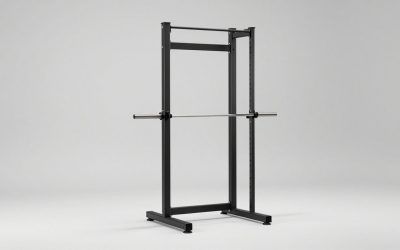
Best Rack Gym in 2026: Specs and Prices Compared
A rack gym solves one stubborn problem: you want heavy compound lifts,...
Best Shoes for Jump Rope: 5 Picks for Concrete and Timber
Best shoes for jump rope depends first on what is under your...
8 Best Shoes for Jump Rope: Forefoot Cushioning and Drop Guide
Best shoe for jump rope selection is a forefoot problem, not a...
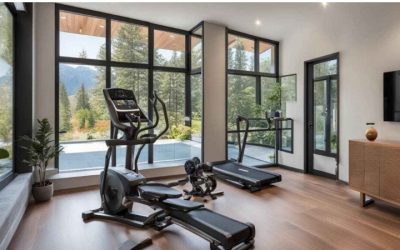
8 Best Full Body Workout Equipment: 6 Machines vs Free Weights
Best full body workout equipment splits into two genuinely different answers: one...
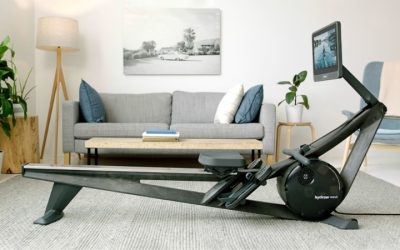
8 Best Gym Equipment for Full Body Workout: 5 Key Choices
Best gym equipment for full body workout setups should be judged by...
8 Best Workout Gym Equipment: 6 Heavy-Duty Picks for Home Use
Best workout gym equipment for a garage or basement is a structural...
Best Workout Exercise Equipment: 6 Picks for Small Homes
Best workout exercise equipment lists usually start with the item and end...
Best Boxer Jump Rope: 6 Picks for Footwork and Conditioning
Best boxer jump rope shopping gets confusing because boxer rope is both...
Best Boxing Jump Rope: 6 Picks for 3-Minute Round Drills
Best boxing jump rope selection is a weight decision before it is...
8 Best Beginner Jump Ropes: 6 Easy-Timing Picks for Home Use
Best beginner jump rope choices come down to cord speed, not brand...
Write Your Review
No reviews yet. Be the first to share your experience!