Key takeaways
- Measure the real clearance, not the marketing number: “Zero wall” designs still want two to four inches for the mechanism and any cabling. Measure from baseboard to wall face, then add an inch of tolerance so you aren’t scuffing paint every time the footrest deploys.
- Prioritize an adjustable headrest: This is the single most important feature for anyone who dozes in a recliner. A fixed headrest that pushes the chin toward the chest narrows the airway and encourages snoring and micro-arousals; independent headrest articulation lets you keep the neck neutral and the airway open.
- Check the recline range against your intended use: Around 120 to 135 degrees suits reading and television. The 150-degree range found on many RV loveseats approaches a true rest position, which is better for genuine napping but demands more legroom in front.
- Treat power features as sleep-hygiene decisions: USB ports, outlets, and drop-down tables are genuinely convenient, but they also make it effortless to stay put with a bright screen an arm’s length from your face. If you already struggle to get up and go to bed, choose fewer tethers, not more.
- Match upholstery to thermoregulation: Core body temperature needs to fall for sleep onset. Chenille and velvet feel cozy but insulate and trap heat; leather breathes poorly but sheds heat quickly once you stand. In warm rooms, favor woven cloth over plush pile.
What's inside
Most people shopping for a wall hugger recliner are solving a floor-plan problem: the sofa they love needs 12 to 18 inches of clearance behind it, and that space simply doesn’t exist in a 12-foot living room, a bonus room with a radiator, or an RV slide-out. Wall huggers solve that by pushing the seat forward on a track rather than tipping the backrest into the wall, so three or four inches of clearance is usually enough. What buyers underestimate is the second problem, which arrives later: this is furniture people fall asleep in. As someone who spends most days talking with clients about sleep architecture and light exposure, I can tell you that the recliner in the living room quietly becomes a second bed, and the wrong one trains the body toward fragmented, shallow rest.
This guide evaluates 2026’s wall hugger reclining sofas on both counts. I’ve weighed the practical furniture criteria — clearance requirements, frame construction, recline range, upholstery durability — alongside the features that determine whether an evening on the sofa supports your night or sabotages it: headrest articulation that keeps the airway open, leg elevation that helps venous return, and the presence or absence of screens, USB ports, and drop-down tables that anchor you to the couch past your natural sleep window. Below you’ll find my picks, a buying framework, and answers to the questions I hear most from clients who nap in their recliners more than they’d like to admit.
As an Amazon Associate we earn from qualifying purchases.


🛒 Best Price Today on Amazon
Prime members get fast, free shipping on everything above, plus member-only deals. New members get a 30-day free trial — cancel anytime.
How to Choose a Wall Hugger Reclining Sofa (2026)
- Measure the real clearance, not the marketing number: “Zero wall” designs still want two to four inches for the mechanism and any cabling. Measure from baseboard to wall face, then add an inch of tolerance so you aren’t scuffing paint every time the footrest deploys.
- Prioritize an adjustable headrest: This is the single most important feature for anyone who dozes in a recliner. A fixed headrest that pushes the chin toward the chest narrows the airway and encourages snoring and micro-arousals; independent headrest articulation lets you keep the neck neutral and the airway open.
- Check the recline range against your intended use: Around 120 to 135 degrees suits reading and television. The 150-degree range found on many RV loveseats approaches a true rest position, which is better for genuine napping but demands more legroom in front.
- Treat power features as sleep-hygiene decisions: USB ports, outlets, and drop-down tables are genuinely convenient, but they also make it effortless to stay put with a bright screen an arm’s length from your face. If you already struggle to get up and go to bed, choose fewer tethers, not more.
- Match upholstery to thermoregulation: Core body temperature needs to fall for sleep onset. Chenille and velvet feel cozy but insulate and trap heat; leather breathes poorly but sheds heat quickly once you stand. In warm rooms, favor woven cloth over plush pile.
The Best Wall Hugger Reclining Sofas of 2026, Reviewed
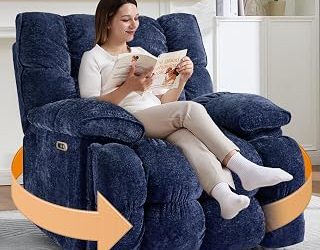
Zero Wall Hugger Power Reclining Sofa with Adjustable Headrest
My overall pick, largely because the independently adjustable headrest lets you dial in neutral neck alignment instead of accepting whatever angle the factory chose. The drop-down table and outlets are well executed, though I’d encourage using them for a book and a lamp rather than a laptop after nine o’clock.
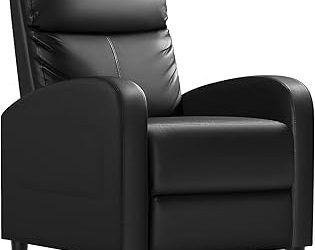
Signature Design by Ashley Draycoll Wall Hugger Reclining Couch
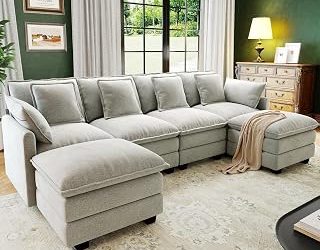
The most conventionally furniture-like option here: textured chenille, an attached bustle back, and a slate gray palette that disappears into most rooms. The bustle back gives good lumbar fill for upright sitting, but the plush fabric runs warm, so it suits cooler rooms better than sun-facing ones.
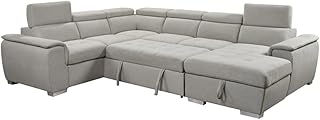
KEIKI 113″ L-Shaped Genuine Leather Wall-Hugger Reclining Sofa
The best choice if the recliner doubles as a nap surface, since the right-hand chaise supports full leg extension and the adjustable backrest and footrest work independently. Genuine leather also wipes clean and doesn’t hold body heat overnight the way pile fabrics do.
RecPro Charles 80″ RV Wall Hugger Reclining Sofa
An unusually well-built option for tight footprints, with a compact 80-inch span and breathable oatmeal cloth that handles warm interiors gracefully. Deliberately low-tech — no ports, no massage — which I consider a quiet advantage for evening wind-down.
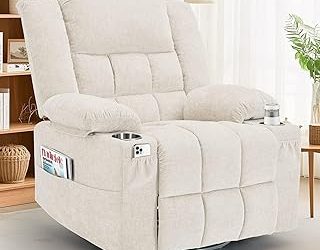
RV Loveseat Recliner Sofa with USB Ports and Cup Holders
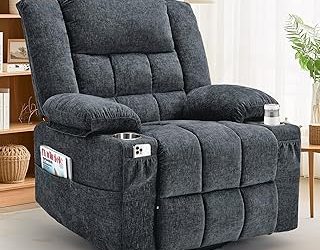
The 150-degree recline genuinely approaches a rest position, making this the most nap-capable loveseat on the list for RVs and home theaters alike. Velvet upholstery and console storage are comfortable and practical; just confirm you have the forward clearance the deeper angle requires.
Frequently Asked Questions
How much space does a wall hugger recliner actually need?
Most require three to four inches of clearance rather than the 12 to 18 inches a traditional recliner demands. Always verify against the specific model’s spec sheet, and account for baseboards, vents, and power cords.
Is sleeping in a recliner bad for you?
Occasional recliner sleep is generally fine, and some people with reflux or respiratory congestion rest better slightly inclined. The concerns are postural — a flexed neck restricting the airway — and behavioral, since habitual couch sleep weakens the bed-sleep association that helps you fall asleep quickly. An adjustable headrest addresses the first; a consistent move to bed addresses the second.
Do I need power recline or is manual fine?
Manual mechanisms are cheaper and have fewer failure points, but they typically move the back and footrest together. Power models allow independent adjustment, which matters most if you have mobility limitations or want a precise, near-flat rest position.
Are massage and heat functions worth it?
Gentle massage can aid pre-sleep relaxation, and mild lumbar heat is pleasant for stiffness. Neither is a therapeutic sleep intervention, so treat them as comfort extras rather than reasons to spend significantly more.
Final Thoughts
For most living rooms, the Zero Wall Hugger Power Reclining Sofa is the strongest all-around choice thanks to its adjustable headrest and genuinely minimal clearance. If the sofa will host real naps, the KEIKI L-shaped leather model with its full-length chaise is the better investment, while the RecPro Charles remains my recommendation for compact RV interiors where a breathable, screen-free seat serves both comfort and better sleep.