Key takeaways
- Match loft to body weight: Lighter sleepers under roughly 130 lbs float on thick foam and lose its contouring benefit, while heavier sleepers compress a 3-inch layer to nothing. Aim for 3–4 inches if you’re average build, 4–5 inches if you’re over 200 lbs or sleep on a firm base.
- Fiber fill versus memory foam: Overfilled down-alternative pillow tops add cushioning and softness without changing how your mattress supports you. Memory foam actively reshapes the support profile, which is what you want if the mattress underneath sags or feels punishingly firm.
- Take deep pockets seriously: Adding four inches of topper effectively makes your mattress four inches taller. Look for skirts rated to at least 18–21 inches, or you’ll be re-tucking corners weekly.
- Plan for heat: Thickness traps warmth. Gel-infused foam, breathable cotton percale shells, and bamboo-derived rayon covers all help, but hot sleepers should lean toward fiber fill or gel foam rather than dense conventional memory foam.
- Check the anchoring system: Thick foam slabs shift more than thin ones. Four-way elastic straps or a full fitted skirt prevent the nightly creep that leaves you sleeping half on, half off your investment.
A mattress that has quietly gone soft in the middle is one of the most common culprits behind morning stiffness, and most sleepers blame their pillow or their posture long before they suspect the bed itself. Thin two-inch pads rarely solve the problem: they compress under hip and shoulder pressure within minutes, leaving you resting on the same worn-out surface you were trying to escape. A genuinely thick topper — three inches and up, whether foam or overfilled fiber — changes the geometry of your sleep surface enough to redistribute weight, keep the spine neutral, and buy a few more years out of a mattress you’re not ready to replace.
This guide looks at thick toppers through a sleep-quality lens rather than a purely comfort-marketing one: how loft interacts with body weight, why heat retention matters more as thickness increases, and which construction styles suit side sleepers versus back sleepers. Below you’ll find the standout options for 2026 across both plush pillow-top and memory foam categories, plus the specifications worth checking before you commit.
Our top picks


As an Amazon Associate we earn from qualifying purchases at no extra cost to you.
🛒 Best Price Today on Amazon
Prime members get fast, free shipping on everything above, plus member-only deals. New members get a 30-day free trial — cancel anytime.
How to Choose a Thick Mattress Topper (2026)
- Match loft to body weight: Lighter sleepers under roughly 130 lbs float on thick foam and lose its contouring benefit, while heavier sleepers compress a 3-inch layer to nothing. Aim for 3–4 inches if you’re average build, 4–5 inches if you’re over 200 lbs or sleep on a firm base.
- Fiber fill versus memory foam: Overfilled down-alternative pillow tops add cushioning and softness without changing how your mattress supports you. Memory foam actively reshapes the support profile, which is what you want if the mattress underneath sags or feels punishingly firm.
- Take deep pockets seriously: Adding four inches of topper effectively makes your mattress four inches taller. Look for skirts rated to at least 18–21 inches, or you’ll be re-tucking corners weekly.
- Plan for heat: Thickness traps warmth. Gel-infused foam, breathable cotton percale shells, and bamboo-derived rayon covers all help, but hot sleepers should lean toward fiber fill or gel foam rather than dense conventional memory foam.
- Check the anchoring system: Thick foam slabs shift more than thin ones. Four-way elastic straps or a full fitted skirt prevent the nightly creep that leaves you sleeping half on, half off your investment.
The Best Thick Mattress Toppers of 2026, Reviewed
Cotton Extra Thick Pillow Top Mattress Pad (Queen)
A 100% cotton top sheet layer over generous fiber fill makes this the most breathable pick here, and it’s the one I’d suggest to sleepers who want a softer surface without the sink-in sensation of foam. It’s a genuine option for hot sleepers who’ve tried gel foam and still woke up damp.
ELEMUSE Extra Thick Mattress Pad Cover
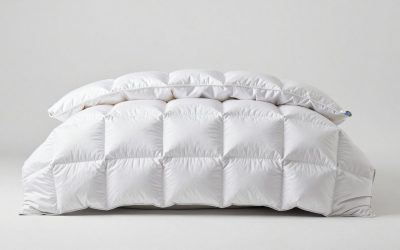
The overfilled down-alternative pillowtop delivers real cushioning at the hips and shoulders, and the deep-pocket elastic skirt keeps it anchored on taller mattresses. Best suited to side sleepers whose current bed feels a touch too firm rather than to anyone dealing with a genuine sag.
Premium Dual Layer 4 Inch Memory Foam Topper
Two inches of gel memory foam beneath two inches of quilted pillow top is a smart architecture: the fiber layer softens the initial contact so you don’t get that slow-sinking foam feel, while the gel layer underneath does the pressure-relief work. This is my default recommendation for back pain on an aging mattress.
SHOUREN 5 Inch Memory Foam Topper (Full)
At five inches, this is the most transformative option on the list — enough foam to substantially override the feel of the mattress below it. Heavier sleepers and anyone whose bed has developed a noticeable dip will get the most from it; lighter sleepers may find it excessive.
SameBed Extra Thick Mattress Topper (Queen)
The 8–21 inch pocket range is unusually accommodating, which matters if you’re stacking this over an already-thick hybrid mattress. Plush fiber fill and a cooling-oriented shell make it a solid all-rounder for couples with differing temperature preferences.
Frequently Asked Questions
How thick should a mattress topper be for back pain?
Three to four inches is the sweet spot for most people. Below three inches you rarely get enough material to relieve pressure at the hips; above four, lighter sleepers can lose the spinal alignment they were seeking.
Will a thick topper fix a sagging mattress?
It can mask a mild dip, but it won’t repair a broken support core or failed springs. If you can see a visible valley when the bed is unoccupied, a topper is a stopgap rather than a solution.
Do thick toppers sleep hot?
More material means more insulation, yes. Gel-infused foam, cotton shells, and bamboo-derived rayon covers such as the one on the Niagara Sleep Solution topper mitigate this meaningfully.
How long do thick toppers last?
Expect three to five years from quality memory foam and two to four from fiber fill, which gradually flattens. Rotating a fiber topper head-to-foot every few months noticeably extends its life.
Final Thoughts
For most buyers, the Premium Dual Layer 4 Inch topper strikes the best balance of pressure relief and surface softness, making it the strongest all-round choice for back pain. Heavier sleepers or those on a badly worn mattress should size up to the SHOUREN 5 Inch, while hot sleepers who want plushness without foam will be happiest with the cotton pillow-top pad or the bamboo-derived Niagara Sleep Solution.