Most people don’t shop for a mattress topper because they’re curious — they shop because they’ve stopped sleeping well and can’t replace the mattress underneath them. Maybe the bed has developed a shallow trough where your hips land. Maybe it was firm enough five years ago and now feels like a countertop. Maybe you wake at 3 a.m. with a numb shoulder and no clear reason why. A topper is the rare sleep intervention that costs a fraction of a new mattress and can be evaluated in under two weeks of real nights.
Talalay latex is the material I recommend most often to clients who want responsive cushioning without the sink-and-stick sensation of memory foam. Its open, pinhole-dense structure moves air rather than trapping it, and it pushes back rather than slowly molding around you. This guide covers what actually separates a good latex topper from a mediocre one, where memory foam still deserves a place in the conversation, and which specific models are worth your money in 2026.
Our top picks


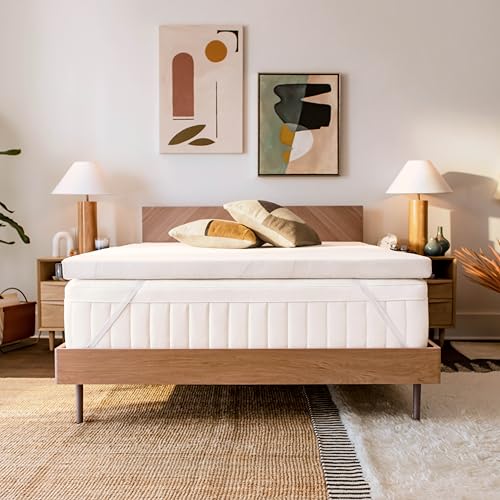 TEMPUR-Adapt
- Designed with the same pressure-relieving TEMPUR material found…
- TEMPUR material responds to your body’s temperature, weight,…
- Say goodbye to dirt, dust, allergens, and dust-mites…

As an Amazon Associate we earn from qualifying purchases at no extra cost to you.
🛒 Best Price Today on Amazon
Prime members get fast, free shipping on everything above, plus member-only deals. New members get a 30-day free trial — cancel anytime.
How to Choose a Talalay Latex Mattress Topper (2026)
- Thickness versus your goal: A 2″ topper adjusts the feel of a mattress that’s nearly right; a 3″ topper genuinely changes your support profile and can rescue a bed that’s too firm. Anything thinner mostly changes the surface, not the sleep.
- Firmness matched to sleep position: Side sleepers generally need soft — shoulders and hips have to descend for the spine to stay neutral. Back and stomach sleepers usually do better with medium, since excess give at the waist creates a hammock effect.
- Talalay versus Dunlop: Talalay is whipped and flash-frozen during production, yielding a lighter, more uniformly springy feel. Dunlop is denser and firmer per inch. Neither is superior, but they’re not interchangeable, and listings sometimes blur the distinction.
- Heat behavior: Latex is naturally more breathable than solid memory foam, but a thick topper under a heavy quilted protector will still sleep warm. If you run hot, prioritize ventilated construction and a thin, breathable cover.
- Weight and logistics: A queen 3″ latex topper can exceed 30 pounds. Plan on a second pair of hands, deep-pocket sheets, and 48 hours of off-gassing before you judge the smell.
The Best Talalay Latex Mattress Topper (2026)s Reviewed
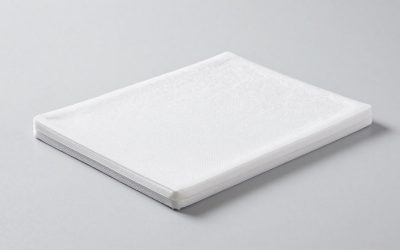
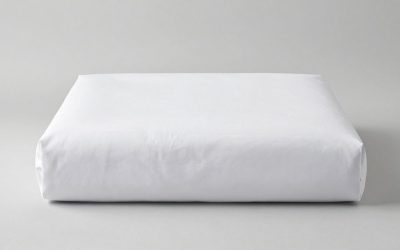
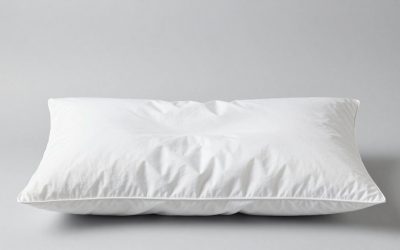
Talalay Latex Topper — Soft, 3″, Queen
This is my default recommendation for side sleepers on a too-firm mattress: three inches of soft Talalay gives the shoulder somewhere to go while the latex’s natural rebound keeps your hips from stalling in a sunken position. It’s the most transformative option here, and also the heaviest — treat installation as a two-person job.
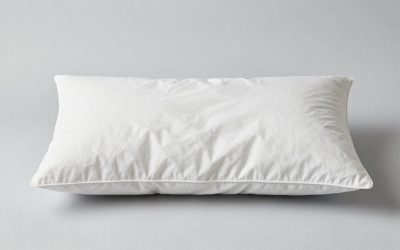
Talalay Latex Topper — Soft, 2″, Queen
The smarter pick when your mattress is fundamentally sound and you simply want the surface softened without raising the bed height or fighting your fitted sheets. Expect a refinement in pressure relief rather than a dramatic change in support.
TEMPUR-Adapt (Supreme) 3″ Memory Foam Topper, King
Not latex, but the benchmark for anyone who genuinely prefers slow-contouring foam: the density and consistency are noticeably better than budget memory foam, and it holds its shape over years rather than months. Choose it if you like being cradled; skip it if you dislike the sensation of moving through your mattress when you turn over.
Lucid 4″ Gel Memory Foam Topper, Queen
The value option for dorm beds, guest rooms, and mattresses too far gone for subtlety — four inches of plush foam masks a great deal. It’s softer and warmer than latex, so it suits lightweight sleepers and cooler bedrooms better than hot sleepers.
LUCID 2″ Gel Memory Foam Topper, 5 Zones, Queen
The zoned surface varies firmness beneath the shoulders, lumbar region, and hips, which helps more than the low price suggests. A sensible entry point if you’re not yet sure whether a topper will solve your problem and don’t want to commit meaningfully.
Frequently Asked Questions
How long does a Talalay latex topper last?
Well-made natural Talalay commonly holds up eight to twelve years — considerably longer than most memory foam, which tends to soften measurably by year five. Rotating it end-to-end once or twice a year evens out wear.
Will a latex topper fix a sagging mattress?
No. A topper redistributes pressure at the surface; it cannot restore support that has failed underneath. If you can see a visible dip or feel the springs, the mattress needs replacing.
Is Talalay latex suitable for people with latex allergies?
Genuine latex allergy is a contraindication — the proteins responsible are present in natural latex foam, even after washing. If you have a diagnosed sensitivity, choose a foam topper and ask your allergist first.
Do I need a cover?
Yes. Latex degrades with prolonged UV exposure and benefits from a barrier against body oils. A thin, breathable stretch-knit cover protects it without smothering the airflow you paid for.
Final Thoughts
For most side sleepers on an overly firm bed, the 3″ soft Talalay topper is the one that changes how mornings feel; if your mattress only needs fine-tuning, the 2″ version delivers most of the comfort with far less bulk. Confirmed memory foam devotees should spend up on the TEMPUR-Adapt Supreme rather than settling for a budget substitute they’ll replace in three years.