Key takeaways
- Rip capacity: Cabinet sides and full-depth shelves demand real width to the right of the blade. Aim for 24 inches minimum; 30-plus lets you break down a half sheet of plywood without a track saw as backup.
- Fence quality: This matters more than motor size. Look for a rack-and-pinion or twin-rail fence that stays parallel when clamped, since every repeat cut depends on it returning to the same place.
- Table flatness and surface area: A wider, flatter cast or machined top supports long parts and reduces the tendency for stock to lift mid-cut. Check that extension wings sit level with the main top.
- Blade height, tilt and arbor accuracy: Cabinet joinery uses dadoes, grooves and bevels. Smooth, backlash-free height adjustment and a trustworthy 45-degree stop save endless test cuts.
- Dust collection and safety kit: Plywood produces fine, lung-irritating dust. Prioritize a shrouded blade with a 2.5-inch port, plus a riving knife, anti-kickback pawls and a modular guard you’ll actually leave installed.
What's inside
Cabinet work punishes imprecision. A face frame that’s off by a sixteenth telegraphs down the whole run, drawer boxes rack, and door stiles refuse to sit flush no matter how much you fuss with hinges. Most people blame their measuring or their glue-up, but the culprit is usually upstream: a saw that flexes, a fence that drifts a hair when you lock it, or a top that isn’t quite coplanar with its own wings. Cabinet making is repetitive by nature — dozens of identical parts — so any small error in the machine gets multiplied by every cut you make that day.
This guide looks at table saws (and a couple of supporting pieces) through that specific lens: repeatable rip width, sheet-goods handling, and how well each machine holds a setting over a long session. We’ve focused on portable and compact models that realistically fit a garage or basement shop, plus a precision hobby saw for small-scale work and a heavy-duty stand that upgrades almost any saw’s stability. Below you’ll find current picks, a short buying framework, and answers to the questions that come up most from people building their first kitchen.
As an Amazon Associate we earn from qualifying purchases.


🛒 Best Price Today on Amazon
Prime members get fast, free shipping on everything above, plus member-only deals. New members get a 30-day free trial — cancel anytime.
How to Choose a Table Saw For Cabinet Making (2026)
- Rip capacity: Cabinet sides and full-depth shelves demand real width to the right of the blade. Aim for 24 inches minimum; 30-plus lets you break down a half sheet of plywood without a track saw as backup.
- Fence quality: This matters more than motor size. Look for a rack-and-pinion or twin-rail fence that stays parallel when clamped, since every repeat cut depends on it returning to the same place.
- Table flatness and surface area: A wider, flatter cast or machined top supports long parts and reduces the tendency for stock to lift mid-cut. Check that extension wings sit level with the main top.
- Blade height, tilt and arbor accuracy: Cabinet joinery uses dadoes, grooves and bevels. Smooth, backlash-free height adjustment and a trustworthy 45-degree stop save endless test cuts.
- Dust collection and safety kit: Plywood produces fine, lung-irritating dust. Prioritize a shrouded blade with a 2.5-inch port, plus a riving knife, anti-kickback pawls and a modular guard you’ll actually leave installed.
The Best Table Saw For Cabinet Making (2026)s Reviewed
DEWALT DWE7491RS 10-Inch Table Saw with Rolling Stand
This is the sweet spot for cabinet builders working out of a shared garage: 32-1/2 inches of rip capacity handles plywood casework, and the rack-and-pinion fence is accurate enough that you can trust the scale for repeat parts. The folding rolling stand means it tucks away between projects without sacrificing rigidity in use.
DEWALT DWE7485 8-1/4 in. Compact Jobsite Saw
A lighter, tighter alternative for smaller shops or anyone who carries a saw to install sites. Rip capacity is narrower and the 8-1/4-inch blade limits depth on thick stock, but the fence system inherits the same design logic, so precision on drawer parts and face-frame stock is genuinely good for the footprint.
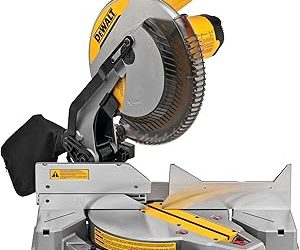
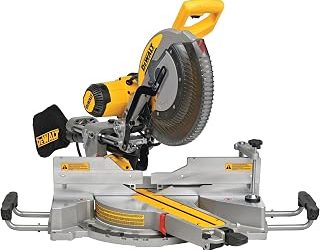
10-Inch Compound Miter Saw with Extension Table
Not a table saw, but the natural partner to one — crosscutting face-frame rails, stiles and trim to identical lengths is far faster and safer on a miter saw with a stop block. The single-bevel head and extension wings cover most cabinet trim work, including scribe molding and toe-kick returns.
MXBAOHENG Mini Table Saw S3
Built for miniature and detail work rather than casework: variable speed and a half-inch depth of cut make it useful for small inlays, drawer dividers, jewelry-box scale parts and prototype models. Treat it as a complement to a full-size saw, never a substitute.
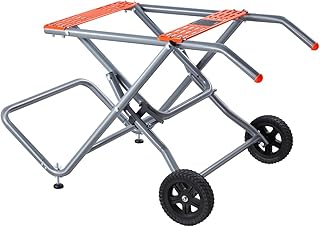
VEVOR Portable Table Saw Stand
If you own a decent benchtop saw but fight wobble and awkward workholding, this 350-pound-capacity rolling stand is the cheapest meaningful accuracy upgrade available. Universal mounting fits most brands, the 8-inch rubber wheels roll over cords and thresholds, and it folds flat against a wall.
Frequently Asked Questions
Do I need a cabinet saw for cabinet making?
No. Despite the name, a “cabinet saw” refers to the enclosed base style, not the application. A well-tuned portable jobsite saw with a quality fence builds excellent cabinets; the trade-offs are less mass, more vibration and shorter rip cuts.
What blade should I use for plywood?
A 60- to 80-tooth ATB blade with a thin kerf minimizes veneer tear-out on the top face. Pair it with a zero-clearance insert and score the cut line with a shallow first pass on show-face panels.
How do I keep repeat cuts identical?
Cut all matching parts in one session without moving the fence, and verify with a single reference part rather than a tape measure. For crosscuts, use a sled with a clamped stop block instead of the miter gauge alone.
Is 8-1/4 inches enough blade for cabinets?
For 3/4-inch plywood and typical hardwood face-frame stock, yes. You’ll feel the limitation when ripping thick solid tops, cutting steep bevels, or using a dado stack that the smaller arbor won’t accept.
Final Thoughts
For most people building real casework, the DEWALT DWE7491RS is the pick that will still feel right in five years — the rip capacity and fence accuracy simply remove excuses. Choose the compact DWE7485 if space or portability wins over capacity, and add the VEVOR stand to whichever saw you own; a stable, mobile base pays for itself in cleaner cuts and a shop you can actually walk through.