Key takeaways
- Rip capacity over raw power: Headboards, wardrobe sides, and platform-bed panels start as sheet goods. A rack-and-pinion fence with 30-plus inches of capacity lets you break down a half-sheet accurately; anything under 24 inches means awkward workarounds with a track saw.
- Fence repeatability: Squareness is nice, but repeatability is what makes drawers and mortises align. Lock the fence, measure front and back of the blade, then unlock and relock it and measure again. Drift of more than a hair is what produces furniture that racks and creaks under load.
- Dust extraction that actually seals: Fine wood dust is a genuine respiratory irritant, and a bedroom-adjacent shop shares air with the room you sleep in. Prioritize a shrouded blade and a proper 2.5-inch port you can attach to a vacuum with a HEPA-rated bag.
- Noise and vibration: Universal motors on portable saws routinely hit 95–105 dB. A heavier table and a thin-kerf 40-tooth blade cut both noise and vibration measurably. Hearing protection is non-negotiable, and so is a hard cutoff time if anyone in the house sleeps light.
- Footprint and mobility: A folding rolling stand is worth more than a spec sheet suggests. Being able to wheel the saw out, work, and clear the space again is often the difference between a project that gets finished and one that stalls for a year.
What's inside
Most people don’t connect a table saw with a good night’s rest, but in my work on sleep environments I run into the link constantly. The bed frame that creaks at 2 a.m., the nightstand drawer that binds and rattles, the blackout valance box that never quite sat flush — these are joinery problems, and they cost people real sleep. Anyone who has decided to build their own bedroom furniture rather than replace another sagging flat-pack frame quickly discovers that the accuracy of the whole project is set by one machine: the saw that makes the rip cuts.
That’s where the confusion starts. Search “cabinet table saw” and you’ll get a mix of genuine cabinet saws — 400-pound stationary machines with enclosed bases, induction motors, and 220V requirements — alongside portable and jobsite saws that share the same 10-inch blade but almost none of the mass. This guide covers the practical options below true cabinet-shop territory: saws you can actually fit in a garage or basement shop, plus the honest trade-offs on flatness, dust, and noise. Every pick is judged on whether it can produce a square, quiet, durable piece of bedroom furniture.
As an Amazon Associate we earn from qualifying purchases.



🛒 Best Price Today on Amazon
Prime members get fast, free shipping on everything above, plus member-only deals. New members get a 30-day free trial — cancel anytime.
How to Choose a/an Cabinet Table Saw (2026)
- Rip capacity over raw power: Headboards, wardrobe sides, and platform-bed panels start as sheet goods. A rack-and-pinion fence with 30-plus inches of capacity lets you break down a half-sheet accurately; anything under 24 inches means awkward workarounds with a track saw.
- Fence repeatability: Squareness is nice, but repeatability is what makes drawers and mortises align. Lock the fence, measure front and back of the blade, then unlock and relock it and measure again. Drift of more than a hair is what produces furniture that racks and creaks under load.
- Dust extraction that actually seals: Fine wood dust is a genuine respiratory irritant, and a bedroom-adjacent shop shares air with the room you sleep in. Prioritize a shrouded blade and a proper 2.5-inch port you can attach to a vacuum with a HEPA-rated bag.
- Noise and vibration: Universal motors on portable saws routinely hit 95–105 dB. A heavier table and a thin-kerf 40-tooth blade cut both noise and vibration measurably. Hearing protection is non-negotiable, and so is a hard cutoff time if anyone in the house sleeps light.
- Footprint and mobility: A folding rolling stand is worth more than a spec sheet suggests. Being able to wheel the saw out, work, and clear the space again is often the difference between a project that gets finished and one that stalls for a year.
The Best Cabinet Table Saw (2026)s Reviewed
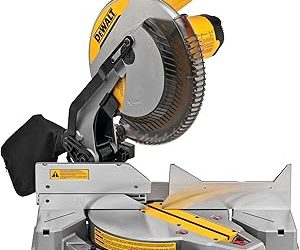
DEWALT DWE7491RS 10-Inch with Rolling Stand
The 32-1/2-inch rip capacity handles a queen platform panel without drama, and the rack-and-pinion fence returns to the same setting reliably enough for repeat cuts on bed rails and drawer sides. It’s the closest thing to cabinet-saw workflow you can fold up and roll against a wall.
SKIL SPT99-11 Worm Drive Table Saw
The worm-drive gearing delivers noticeably more torque under load, so thick maple or laminated bed rails don’t bog the blade mid-cut. It’s the heaviest option here, which works in your favor: more mass means less vibration and a cleaner cut edge.
DEWALT DWE7485 8-1/4-Inch Compact
A smart choice for small shops and secondary bedroom projects — nightstands, shelf boxes, valance frames — where full sheet capacity isn’t the priority. The narrower blade and lighter frame trade some depth of cut for genuine portability.
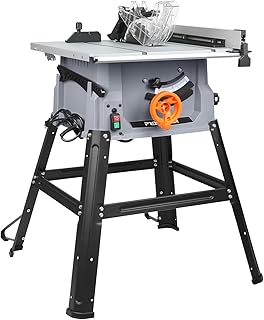
Prostormer 10-Inch Table Saw with Stand
The most accessible entry point with a full 10-inch blade and 45-degree bevel, suitable for a first bed frame or headboard build. Expect to spend an afternoon truing the fence and miter slot before you trust it for joinery.
Mini Precision Craft Table Saw
Not a furniture saw, but a genuinely useful bench companion for thin stock: drawer bottoms, inlay strips, acrylic diffusers for bedside lamps, and small PCB work. Variable speed and a 1/2-inch depth limit keep it in the detail-work lane.
Frequently Asked Questions
Are any of these true cabinet saws?
No. Genuine cabinet saws use enclosed cast-iron bases and induction motors, typically require 220V, and weigh 350–600 pounds. These are jobsite and portable saws — the realistic choice for home shops without dedicated circuits or a permanent floor footprint.
Can a portable saw build furniture that won’t creak?
Yes, provided your cuts are square and your joinery is tight. Creaking in beds almost always comes from loose fasteners and out-of-square shoulders, not from motor horsepower.
How do I keep sawdust out of the bedroom?
Connect a vacuum with a HEPA-rated filter to the dust port, cut with the shop door closed, and let airborne dust settle for 20–30 minutes before opening it. Sweeping stirs fine particles back into the air; damp-wipe or vacuum instead.
What blade should I install first?
Swap the stock blade for a 40-tooth thin-kerf combination blade. It reduces motor strain, lowers noise, and leaves an edge clean enough to glue up without jointing.
Final Thoughts
For most people building bedroom furniture at home, the DEWALT DWE7491RS is the strongest all-round pick — its rip capacity and fence accuracy cover nearly every project a bedroom demands. Choose the SKIL SPT99-11 if you’re cutting thick hardwood and want the extra torque and mass, or the compact DEWALT DWE7485 if shop space is your real constraint and your projects are nightstand-scale.