Key takeaways
- Seat depth over silhouette: Aim for 21–24 inches of usable depth. Anything shallower forces you perched forward, which keeps postural muscles firing exactly when you want them quiet. Deep-seat models let the pelvis tilt back and the spine decompress.
- Cushion resilience, not softness: Press down and count how fast the foam returns. Slow, sinking recovery means you’ll be sleeping in a trough within a year. High-resilience foam supports side-lying naps without collapsing under hip weight.
- Fabric breathability: Chenille and woven linen blends shed body heat far better than coated faux leather or dense velvet. Since core temperature must fall for sleep onset, a breathable surface makes the difference between drifting off and lying there damp and alert.
- Horizontal length: Measure the longest uninterrupted run between arms. Under 70 inches and most adults can’t stretch out. A chaise or reversible ottoman effectively extends this, which is why sectionals outperform equally priced sofas for restorative lounging.
- Arm height and firmness: Your arm doubles as a pillow. Padded arms in the 6–8 inch range above the seat keep the cervical spine roughly neutral; low or hard arms crane the neck and produce that classic morning-after ache.
What's inside
Most people budget carefully for a mattress and then spend the two hours before bed on furniture chosen entirely by eye. That’s a mistake I see constantly in sleep consultations. The sofa is where the wind-down happens — the reading, the low-stakes television, the accidental 20-minute doze that either sharpens the evening or wrecks it. If the seat is too shallow, your lumbar spine never releases. If the back is too upright, your shoulders stay recruited. If the cushions swallow you, you wake stiff and groggy with your sleep drive spent in the wrong room.
This guide looks at 2026’s strongest sofa deals through that lens: seat depth, back support, surface temperature, and whether the piece can honestly hold a body horizontally when someone stays over. I’ve focused on models that pair genuine comfort engineering with tool-free or near-tool-free assembly, since a sofa that takes three hours and two arguments to build rarely ends up positioned well in a room. Prices and availability update automatically below.
As an Amazon Associate we earn from qualifying purchases.


How to Choose a Sofa in 2026
- Seat depth over silhouette: Aim for 21–24 inches of usable depth. Anything shallower forces you perched forward, which keeps postural muscles firing exactly when you want them quiet. Deep-seat models let the pelvis tilt back and the spine decompress.
- Cushion resilience, not softness: Press down and count how fast the foam returns. Slow, sinking recovery means you’ll be sleeping in a trough within a year. High-resilience foam supports side-lying naps without collapsing under hip weight.
- Fabric breathability: Chenille and woven linen blends shed body heat far better than coated faux leather or dense velvet. Since core temperature must fall for sleep onset, a breathable surface makes the difference between drifting off and lying there damp and alert.
- Horizontal length: Measure the longest uninterrupted run between arms. Under 70 inches and most adults can’t stretch out. A chaise or reversible ottoman effectively extends this, which is why sectionals outperform equally priced sofas for restorative lounging.
- Arm height and firmness: Your arm doubles as a pillow. Padded arms in the 6–8 inch range above the seat keep the cervical spine roughly neutral; low or hard arms crane the neck and produce that classic morning-after ache.
The Best Sofa Deals (2026) Reviewed
Korser 89″ Deep-Seat Chenille Sofa
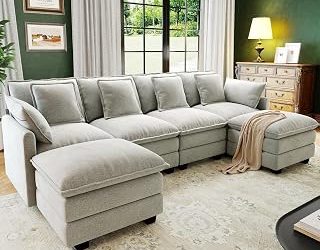
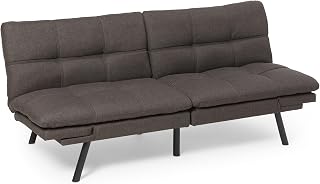
The deep seat platform here is the standout: it lets you sit back fully with support behind the sacrum instead of hovering at the front edge, and the chenille surface stays cool enough for long evening sessions. At 89 inches, it also gives most adults a genuine full-length stretch — rare at this price point.
3-Seat Reversible Sectional with Convertible Ottoman
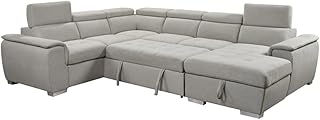
The convertible ottoman is the practical star, transforming a standard seat into a leg-elevated recline that improves venous return and reduces evening leg heaviness. Tool-free assembly means you can reposition the chaise seasonally, which matters if your room gets bright morning light on one side.
Matte Black L-Shaped Ribbed Sectional
A smart pick for compact rooms where a full sofa would block circulation, with a reversible ottoman that adapts to either wall. The ribbed weave holds its shape well under repeated lounging, though I’d add a firm bolster if you nap on it regularly, as the back height is on the lower side.
HONBAY Convertible L-Shaped Sectional
HONBAY has built a reputation on modular reconfiguration, and this one earns it: the chaise moves left or right without hardware, so you can orient your feet away from a doorway or draft. Firm-but-forgiving cushioning makes it one of the better options for people who want to read upright before bed rather than sink.
Furmax U-Shaped Chenille Sectional
Double chaise seating on both ends means two people can fully recline simultaneously — the single most requested feature among couples I advise who currently compete for the good end of the sofa. The linen-chenille combination breathes well, and the four-seat footprint suits open-plan apartments better than its dimensions suggest.
Frequently Asked Questions
Is napping on the sofa actually bad for you?
Short naps of 20 to 30 minutes are generally beneficial and don’t harm nighttime sleep. The problem is the unplanned 90-minute sofa sleep, which consumes sleep pressure you need later. Supportive furniture makes short rest comfortable enough that you’re less likely to sink into an accidental long one.
Can a sofa replace a guest bed?
For occasional single nights, a sectional with a long chaise or double chaise works reasonably well, especially with a proper pillow. For anything beyond two or three nights, guests need a real sleep surface — sofa cushioning isn’t engineered for eight hours of static pressure.
How firm should sofa cushions be?
Medium-firm suits most bodies. You want to feel your weight distributed across the whole seat rather than concentrated at the hips. If you can feel the frame or if your hips drop noticeably below your knees, the density is wrong.
Does sofa colour affect sleep quality?
Indirectly, yes. Light or highly reflective upholstery bounces more lamplight around the room, raising ambient brightness during wind-down. Deeper tones like the matte black or mid-grey options absorb light and support a dimmer, more melatonin-friendly evening environment.
Final Thoughts
If you want one sofa that handles both upright reading and genuine horizontal rest, the Korser 89″ deep-seat chenille model is the most complete value in this group. Couples who both want to stretch out should look hard at the Furmax U-shaped sectional with its double chaise, while anyone in a smaller apartment will get the most flexibility from the HONBAY convertible sectional and its reversible layout.