Key takeaways
- Measure the open footprint, not the closed one: A 59-inch loveseat can extend to a 71-inch sleeping surface, so map the deployed dimensions against your walkways and coffee table before you buy. Leave at least 18 inches of clearance on the entry side so the bed is usable, not just openable.
- Interrogate the recline angle: “Adjustable” ranges from three coarse positions to five graduated ones. A truly flat setting matters for overnight sleep, since even a 10-degree residual incline pushes pressure toward the shoulders and interrupts side-sleeping posture.
- Match cover fabric to the room’s climate: Woven and corduroy covers wick moisture and breathe well, which suits warm bedrooms and anyone who sleeps hot. Faux leather wipes clean in seconds — ideal near kitchens or with pets — but traps heat, so plan on a cotton topper for guest nights.
- Check weight capacity against real use: Ratings from 500 to 700 pounds signal frame integrity, not just marketing. Higher-capacity boneless and reinforced-frame designs resist the sagging that develops along the fold line after a year of nightly conversions.
- Weigh assembly against portability: No-assembly models are a genuine advantage in walk-up apartments and dorms. If you’ll move within two years, prioritize lightweight frames and removable armrests over heavier hardwood builds.
What's inside
Square footage is the constraint nobody can negotiate with. If your living room doubles as a guest room, or your studio apartment has to host your sister for a long weekend, you’re being asked to solve two problems with one piece of furniture — and most furniture is only honest about solving one. The typical compromise is a futon that sits like a park bench and sleeps like a folded gym mat, which is why so many people end up apologizing to their guests instead of enjoying the visit.
From a sleep-wellness standpoint, the stakes are higher than comfort alone. Spinal alignment, surface breathability, and how flat a mattress actually lies determine whether someone wakes up restored or wakes up at 3 a.m. rearranging pillows. This guide evaluates compact convertible futons through both lenses — daytime seating ergonomics and overnight sleep quality — and flags the tradeoffs each design makes so you can pick the one that matches how you’ll really use it.
As an Amazon Associate we earn from qualifying purchases.


🛒 Best Price Today on Amazon
Prime members get fast, free shipping on everything above, plus member-only deals. New members get a 30-day free trial — cancel anytime.
How to Choose a Small Space Futon (2026)
- Measure the open footprint, not the closed one: A 59-inch loveseat can extend to a 71-inch sleeping surface, so map the deployed dimensions against your walkways and coffee table before you buy. Leave at least 18 inches of clearance on the entry side so the bed is usable, not just openable.
- Interrogate the recline angle: “Adjustable” ranges from three coarse positions to five graduated ones. A truly flat setting matters for overnight sleep, since even a 10-degree residual incline pushes pressure toward the shoulders and interrupts side-sleeping posture.
- Match cover fabric to the room’s climate: Woven and corduroy covers wick moisture and breathe well, which suits warm bedrooms and anyone who sleeps hot. Faux leather wipes clean in seconds — ideal near kitchens or with pets — but traps heat, so plan on a cotton topper for guest nights.
- Check weight capacity against real use: Ratings from 500 to 700 pounds signal frame integrity, not just marketing. Higher-capacity boneless and reinforced-frame designs resist the sagging that develops along the fold line after a year of nightly conversions.
- Weigh assembly against portability: No-assembly models are a genuine advantage in walk-up apartments and dorms. If you’ll move within two years, prioritize lightweight frames and removable armrests over heavier hardwood builds.
The Best Small Space Futon (2026)s Reviewed
COMHOMA 72″ Convertible Futon Sofa Bed
At 72 inches, this is the pick for households that need a legitimate three-seat sofa by day and a near-full-length bed by night, and the multi-angle backrest gives you a genuinely flat position rather than a shallow lounge. The breathable woven fabric is the detail I’d highlight for sleep quality — it moves heat away from the body far better than vinyl alternatives, which meaningfully reduces overnight waking.
MeMoreCool 59″ Boneless Couch Bed
The boneless construction eliminates the internal frame bar that causes the dreaded ridge across your lower back, and it opens to a 59-by-71-inch surface — only nine inches narrower than a queen. The 700-pound capacity and washable corduroy cover make this the most durable choice here for regular nightly sleeping rather than occasional guest duty.
Gizoon Convertible Sofa Bed with Pull-Out
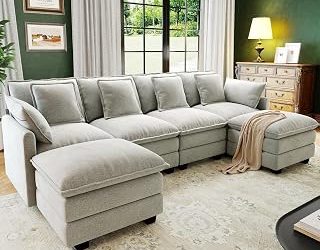
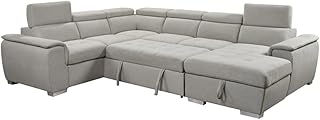
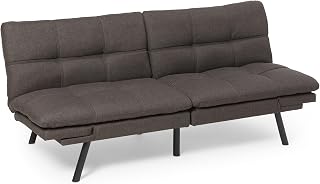
The 3-in-1 pull-out mechanism and five recline positions give you the finest angle control in this group, which is valuable if you read, work, or watch from the same seat you sleep on. The grey upholstery and clean lines also read more like intentional furniture than dorm-room stopgap, a fair consideration in an open studio layout.
Furmax Leather Futon Sofa Bed
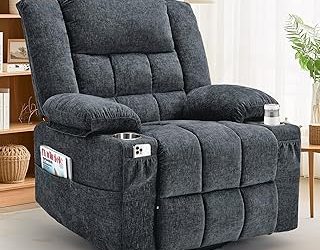
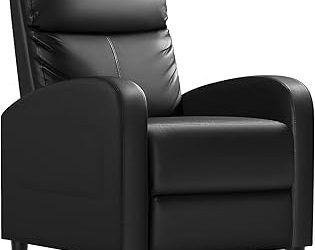
A pragmatic choice for offices, basements, and rentals where spills are likely — the faux leather wipes down instantly and the integrated cup holders keep drinks off the seating surface. Expect to add a breathable mattress pad if anyone will sleep here more than a night or two, since the surface retains body heat.
Flamaker Futon Sofa Bed with Removable Armrests
Removable armrests are the standout feature: pull them off and you gain several usable inches of sleeping length without buying a larger footprint. The folding design and modest weight make it the easiest model here to move between rooms or relocate entirely.
Frequently Asked Questions
Can a futon work as a permanent bed?
Yes, provided it lies genuinely flat and has no frame bar beneath the mattress — boneless and high-capacity designs handle nightly use best. Adding a two-to-three-inch topper substantially improves pressure distribution at the hips and shoulders.
Will a small futon fit a taller adult?
A 71-inch sleeping length accommodates most adults up to roughly 5’10” comfortably. Above that, look at the 72-inch models or choose a design with removable armrests that free up additional length.
How do I stop a futon from sliding on hard floors?
Non-slip rubber pads under each foot solve nearly every case, and a low-pile rug beneath the frame adds friction while reducing conversion noise. Check leg bolts every few months, since repeated folding loosens hardware.
Fabric or faux leather for sleeping?
Fabric, in almost every case. Breathable weaves and corduroy dissipate body heat and moisture, while faux leather’s advantage is cleanability rather than sleep comfort.
Final Thoughts
For nightly sleeping in a tight footprint, the MeMoreCool 59″ boneless couch bed is the strongest performer here — no frame ridge, a near-queen sleeping width, and a breathable cover. If you need real sofa presence during the day, the COMHOMA 72″ convertible delivers full-length seating with a flat recline, while the Gizoon pull-out loveseat is the smart middle ground for anyone who wants fine-tuned recline control in a compact, apartment-friendly package.