Key takeaways
- Length before pattern: Measure your corridor and subtract roughly 4–6 inches at each end so the rug reads as intentional rather than wall-to-wall. A 2×6 suits a short hall or bedside; 2×8 handles a galley kitchen; 2×10 is for long entry corridors and pass-throughs.
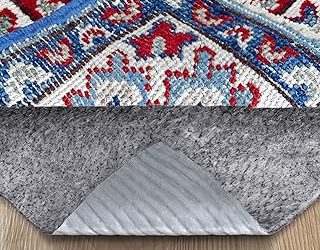
- Backing that grips your specific floor: Solid rubber backing holds well on sealed hardwood, tile, and vinyl. On low-pile broadloom carpet, no backing works reliably — you’ll need a separate carpet-to-carpet gripper underneath.
- Pile height versus door clearance: Low pile clears bathroom and interior doors, dries faster, and won’t catch a walker or cane. Save plush constructions for rooms where nothing swings over the rug.
- Genuine machine washability: Confirm the whole rug washes, not just spot-cleans, and that it fits your drum. Rubber-backed runners should be washed cold and air-dried flat; heat degrades the backing and curls the corners.
- Sound and temperature, not just looks: Denser flat weaves absorb more footfall noise and insulate cold subfloors. If the runner sits near a bedroom door or above a sleeping household member, prioritize density over decorative texture.
What's inside
Most people shop for a runner rug because of a visual gap — a bare hallway, a strip of cold tile beside the bed — but the deeper problem is usually sensory. Hard floors amplify footsteps, and in a home where someone wakes at 5 a.m. or a toddler pads to the bathroom at midnight, that amplification travels. As someone who spends most working hours helping people troubleshoot fragmented sleep, I’ve learned that the corridor outside a bedroom door does more acoustic damage than the mattress inside it. The other half of the problem is friction: a rug that slides underfoot in the dark is a genuine fall risk for anyone moving through the house half-awake.
This guide approaches runners through that lens — footfall dampening, grip you can trust barefoot at 3 a.m., and washability, since anything laid down in a kitchen or entryway will eventually need to go in a machine. Below you’ll find the sizes worth measuring for, the backing types that actually stay put, and short assessments of the runners I’d recommend for hallways, galley kitchens, bedsides, and laundry nooks in 2026.
As an Amazon Associate we earn from qualifying purchases.



🛒 Best Price Today on Amazon
Prime members get fast, free shipping on everything above, plus member-only deals. New members get a 30-day free trial — cancel anytime.
How to Choose a Runner Rug (2026)
- Length before pattern: Measure your corridor and subtract roughly 4–6 inches at each end so the rug reads as intentional rather than wall-to-wall. A 2×6 suits a short hall or bedside; 2×8 handles a galley kitchen; 2×10 is for long entry corridors and pass-throughs.
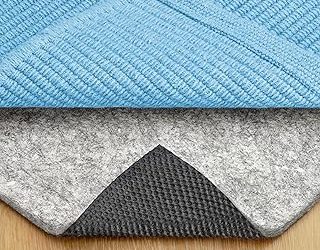
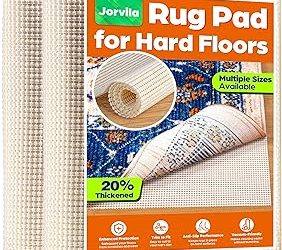
- Backing that grips your specific floor: Solid rubber backing holds well on sealed hardwood, tile, and vinyl. On low-pile broadloom carpet, no backing works reliably — you’ll need a separate carpet-to-carpet gripper underneath.
- Pile height versus door clearance: Low pile clears bathroom and interior doors, dries faster, and won’t catch a walker or cane. Save plush constructions for rooms where nothing swings over the rug.
- Genuine machine washability: Confirm the whole rug washes, not just spot-cleans, and that it fits your drum. Rubber-backed runners should be washed cold and air-dried flat; heat degrades the backing and curls the corners.
- Sound and temperature, not just looks: Denser flat weaves absorb more footfall noise and insulate cold subfloors. If the runner sits near a bedroom door or above a sleeping household member, prioritize density over decorative texture.
The Best Runner Rugs (2026) Reviewed
2×6 Washable Vintage Hallway Runner
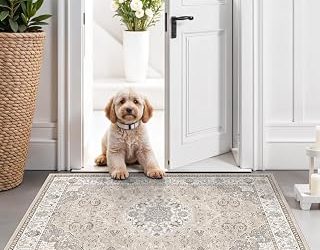
The distressed farmhouse print is forgiving of the crumbs, paw prints, and scuffs that a short hallway or laundry strip collects, and the non-slip backing keeps it anchored without a separate pad. At six feet it’s my default recommendation for a bedside runner, where the priority is a warm, quiet landing spot for bare feet.
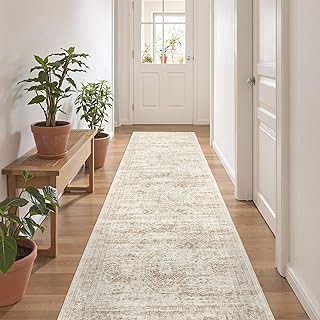
2×8 Beige Non-Slip Runner
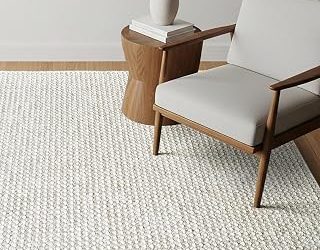
A thin, neutral flat weave that slides under toe-kicks and door sweeps without bunching, making it a sensible pick for galley kitchens and nursery floors. The beige reads warm rather than yellow in low light, which matters in rooms where you’re keeping evening lighting deliberately dim.
Heavy-Duty 2’x10′ Entryway Runner
Built for genuine traffic, with rubber backing substantial enough to survive a front hall that sees daily boots and bags. Ten feet is a commitment, so measure twice — but for long corridors this is the option that dampens footstep noise most effectively.
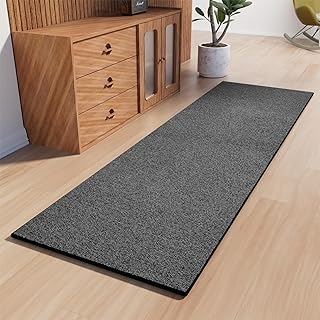
AREDO Low-Pile Runner (Black)
The pointillism texture disguises soil far better than a flat solid, which is why I steer people toward it for entryways and mudrooms rather than bedrooms. Low pile and rubber backing make it safe under a swinging door and stable underfoot in socks.
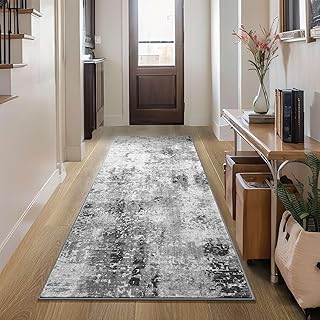
Ompaa 2×6 Grey Abstract Runner
Soft enough to feel welcoming beside a bed, with a muted abstract that hides everyday wear and doesn’t compete visually in a small room. Grey conceals dust more honestly than cream in a bathroom or hallway that gets swept weekly rather than daily.
Frequently Asked Questions
Will a runner rug actually reduce noise near a bedroom?
Meaningfully, yes — for footfall specifically. A dense runner absorbs the sharp impact sound of heels and paws on hard flooring, which is the noise most likely to pull a light sleeper out of shallow sleep. It won’t block voices or airborne sound.
How do I wash a rubber-backed runner without ruining it?
Cold water, gentle cycle, mild detergent, no bleach or fabric softener. Skip the dryer entirely and lay it flat or drape it over a rail; tumble heat is what cracks rubber backing and causes permanent curling.
Do I still need a rug pad?
On sealed hard flooring, a built-in rubber backing is generally sufficient. On top of existing carpet, or on freshly refinished floors where you want a moisture barrier, add a thin felt-and-rubber pad sized about an inch smaller than the runner on all sides.
What size runner works beside a bed?
A 2×6 aligns well with a full or queen, positioned so it catches your feet the moment they leave the mattress. For a king, either run a 2×8 along the side or place two 2×6 runners for symmetry.
Final Thoughts
For most homes, the 2×8 beige non-slip runner is the versatile starting point — thin, neutral, and easy to launder. Choose the heavy-duty 2’x10′ entryway runner if you’re covering a long, busy corridor and want maximum footfall dampening, and pick up the 2×6 washable vintage runner for the bedside, where a soft, warm landing does quiet work for your sleep.