Key takeaways
- Single vs. dual motor: A single motor moves the back and footrest together on a fixed path — fine for reading and short naps. Dual motors control them independently, which is what allows true infinite positioning, including the “zero gravity” posture that elevates the legs above the heart and unloads the lumbar spine. If overnight sleeping in the chair is likely, dual motor is not a luxury.
- Recline range and lay-flat capability: Look past marketing language to the actual degree figure. Roughly 140° suits TV watching and dozing; a genuine lay-flat position near 180° is what you need for extended sleep or for a caregiver to assist with dressing and transfers.
- Fit before features: Measure seat width, seat depth, and the distance from heel to the back of the knee. Feet should rest flat with thighs supported, and roughly 4.7 inches of extra footrest length makes the difference for taller sitters whose ankles otherwise dangle unsupported all night.
- Upholstery and thermal comfort: Faux leather wipes clean easily — valuable for incontinence or medication spills — but traps heat, and elevated skin temperature is one of the most reliable disruptors of sleep onset. Breathable woven fabric, ideally OEKO-TEX certified for low chemical residue, sleeps cooler.
- Heat, massage, and placement: Vibration massage is best used as a wind-down tool, not a sleep aid; set it on a timer. Targeted lumbar heat is the more therapeutically useful feature, easing paraspinal muscle guarding before rest.
What's inside
Sleep quality doesn’t begin at bedtime — it begins with how well your body recovers during the hours before it. For people managing arthritis, edema, post-surgical recovery, COPD, or simply the stiffness that arrives with age, the ordinary living room chair quietly sabotages rest. It compresses the hips, offers no lumbar support, and demands a strenuous push-off to stand. By the time evening comes, the body is already inflamed and guarded, and sleep arrives late and shallow. Many older adults end up sleeping upright in that same chair, not out of preference, but because lying flat has become uncomfortable or unsafe.
A power lift recliner solves both halves of that problem: it delivers the elevated, pressure-relieving positions clinicians recommend for circulation and reflux, and it lifts the sitter gently to their feet without strain. This guide evaluates the current generation of lift chairs through a sleep and recovery lens — motor architecture, achievable recline angles, heat and massage placement, upholstery breathability, and the small design details that determine whether a chair is genuinely restful or merely reclined. Below are the models worth your attention in 2026.
As an Amazon Associate we earn from qualifying purchases.




How to Choose a Recliner Lift Chair (2026)
- Single vs. dual motor: A single motor moves the back and footrest together on a fixed path — fine for reading and short naps. Dual motors control them independently, which is what allows true infinite positioning, including the “zero gravity” posture that elevates the legs above the heart and unloads the lumbar spine. If overnight sleeping in the chair is likely, dual motor is not a luxury.
- Recline range and lay-flat capability: Look past marketing language to the actual degree figure. Roughly 140° suits TV watching and dozing; a genuine lay-flat position near 180° is what you need for extended sleep or for a caregiver to assist with dressing and transfers.
- Fit before features: Measure seat width, seat depth, and the distance from heel to the back of the knee. Feet should rest flat with thighs supported, and roughly 4.7 inches of extra footrest length makes the difference for taller sitters whose ankles otherwise dangle unsupported all night.
- Upholstery and thermal comfort: Faux leather wipes clean easily — valuable for incontinence or medication spills — but traps heat, and elevated skin temperature is one of the most reliable disruptors of sleep onset. Breathable woven fabric, ideally OEKO-TEX certified for low chemical residue, sleeps cooler.
- Heat, massage, and placement: Vibration massage is best used as a wind-down tool, not a sleep aid; set it on a timer. Targeted lumbar heat is the more therapeutically useful feature, easing paraspinal muscle guarding before rest.
The Best Recliner Lift Chairs of 2026, Reviewed
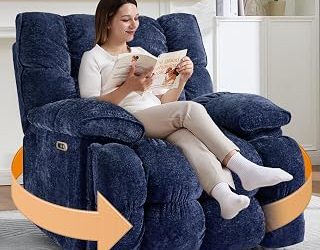
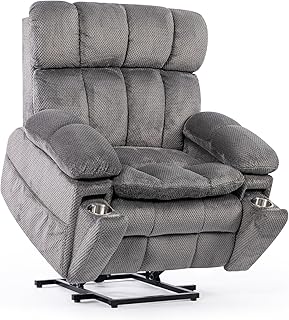
MCombo Power Lift Recliner 7287 (Fabric, Brown)
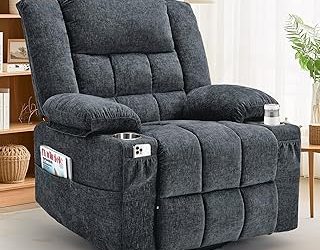
The most sensible choice for someone who wants dependable lift assistance without medicalizing their living room: 140° of recline, an extended 4.7-inch footrest for taller users, and breathable FSC-certified fabric that resists the overnight heat buildup common to vinyl. Assembly is genuinely simple, and USB-C plus a cup holder keep essentials within reach so nobody has to stand mid-nap.
Dual Motor Infinite Position Lift Recliner (Leather, Beige)
This is the model to buy if the chair will double as a bed. Independent motors reach a true lay-flat position and hold intermediate angles precisely, while the included lumbar pillow and wireless charging pad round out a thoughtfully specified package. The leather runs warm, so pair it with a breathable throw.
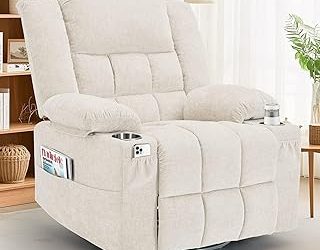
Dual Motor 26″ Extra-Wide Lift Recliner
A 26-inch seat and zero-gravity positioning make this the standout for larger users and for anyone with leg swelling who benefits from elevating the feet above heart level. The adjustable headrest is the underrated feature here — it prevents the forward neck flexion that turns chair sleeping into morning stiffness.
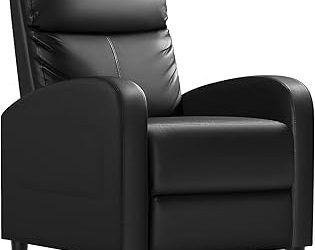
MCombo 7040 Heat and Massage Lift Recliner
A well-balanced mid-range option with both FSC and OEKO-TEX certification, multiple size options for proper fit, and generous storage in the side pockets. The heat and massage functions are effective as an evening wind-down ritual; the dark faux leather is the practical pick for easy cleaning.
MAHOMICO Power Lift Recliner with Lumbar Heating
Strong value for a single-user living room setup, with lumbar-focused heating that targets the lower back rather than diffusing warmth across the whole seat. Single-motor operation limits positional fine-tuning, so treat it as an excellent daytime and napping chair rather than a nightly sleep surface.
Frequently Asked Questions
Is it healthy to sleep in a lift recliner every night?
It can be appropriate and is sometimes recommended for reflux, sleep apnea, heart failure, or post-surgical recovery. The key is achieving a supported position with the head elevated and legs raised, plus deliberate repositioning to protect skin over the tailbone and heels. Confirm the plan with your clinician if it becomes long-term.
What is zero-gravity positioning, and does it matter?
It places the knees and feet above the heart with the torso reclined, distributing weight evenly and reducing spinal compression. Many users report faster sleep onset and less overnight leg swelling. Only dual-motor chairs can reliably achieve it.
What happens during a power outage?
Most quality lift chairs include a battery backup that provides enough power to return the chair upright and let the user exit safely. Check that the backup batteries are installed and replaced annually.
How much clearance does a lift chair need from the wall?
Traditional models need several inches behind them to recline. Confirm the manufacturer’s stated clearance before choosing a placement, and always leave a clear, unobstructed path in front for standing.
Final Thoughts
For most households, the MCombo 7287 in breathable fabric offers the best balance of comfort, cooling, and value. If the chair needs to support real sleep, step up to the Dual Motor Infinite Position Lift Recliner for its genuine lay-flat range, or choose the 26″ Extra-Wide Dual Motor model if a wider seat, adjustable headrest, and zero-gravity leg elevation are priorities.