Key takeaways
- Motor count before features: A single motor moves the back and footrest together, which caps your positions. Dual-motor chairs move them independently, so legs can be elevated for swelling while the torso stays upright — the posture most people need for reflux and easier breathing.
- Recline range and zero gravity: Insist on a stated angle. Roughly 140° suits reading and light dozing; a true lay-flat or zero-gravity setting spreads pressure across the whole body and is what you want if the chair will host full nights.
- Seat width and rated capacity: Measure seated hip width and add four inches. A 26-inch seat prevents the armrest pinch that fragments sleep, and correctly rated frames last far longer under big-and-tall use.
- Upholstery and heat retention: Faux leather wipes clean in seconds but traps warmth. Breathable fabric is kinder to anyone with night sweats or poor thermoregulation, and certifications such as OEKO-TEX and FSC signal lower off-gassing from a chair you’ll be breathing beside for hours.
- Nighttime logistics: Prioritise a tethered remote findable in the dark, battery backup so an outage can’t strand someone reclined, USB and Type-C ports for phones and hearing aid chargers, plus a side pocket and cup holders within arm’s reach.
What's inside
Ask any sleep clinician what happens after a hip replacement, a cardiac event, or the slow arrival of arthritis, and you’ll hear the same pattern: the bed stops being where rest actually occurs. Lying flat hurts. Getting vertical again at 3 a.m. is worse. So the living room chair quietly becomes the primary sleep surface — usually a chair that was bought for television, not for spines, knees, or circulation.
That’s a solvable problem, but only if the chair is chosen like sleep equipment rather than a sofa accessory. This guide evaluates power lift recliners through that lens: how recline geometry affects breathing and reflux, why motor count decides whether a nap is restorative or stiffening, and which models are sized for people who will spend six-plus hours a day seated. Below are the 2026 standouts, followed by a buying framework and the questions caregivers ask most.
As an Amazon Associate we earn from qualifying purchases.



How to Choose a Recliner For Old People (2026)
- Motor count before features: A single motor moves the back and footrest together, which caps your positions. Dual-motor chairs move them independently, so legs can be elevated for swelling while the torso stays upright — the posture most people need for reflux and easier breathing.
- Recline range and zero gravity: Insist on a stated angle. Roughly 140° suits reading and light dozing; a true lay-flat or zero-gravity setting spreads pressure across the whole body and is what you want if the chair will host full nights.
- Seat width and rated capacity: Measure seated hip width and add four inches. A 26-inch seat prevents the armrest pinch that fragments sleep, and correctly rated frames last far longer under big-and-tall use.
- Upholstery and heat retention: Faux leather wipes clean in seconds but traps warmth. Breathable fabric is kinder to anyone with night sweats or poor thermoregulation, and certifications such as OEKO-TEX and FSC signal lower off-gassing from a chair you’ll be breathing beside for hours.
- Nighttime logistics: Prioritise a tethered remote findable in the dark, battery backup so an outage can’t strand someone reclined, USB and Type-C ports for phones and hearing aid chargers, plus a side pocket and cup holders within arm’s reach.
The Best Recliners For Old People (2026) Reviewed
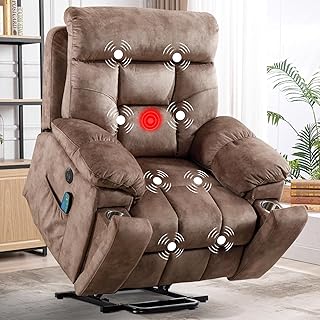
Large Power Lift Recliner with Massage and Heat (Camel)
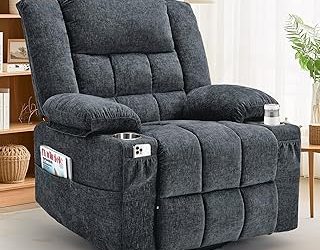
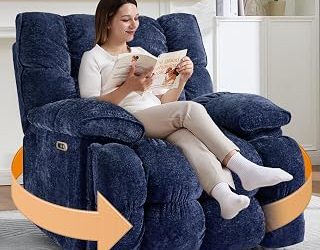
Overstuffed and genuinely wide, this is the pick for big-and-tall users who find standard recliners tight across the shoulders. Heat and massage run independently, which matters — twenty minutes of lumbar warmth before bed is a legitimate, drug-free way to reduce muscle guarding.
MCombo 7040 Power Lift Recliner
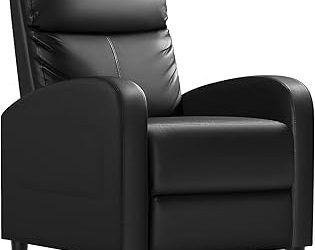
A sensible medium-frame chair carrying both FSC and OEKO-TEX certification, reassuring for anyone sensitive to new-furniture odour in a sleeping space. The dark brown faux leather is the practical choice where spills or continence issues are a daily reality.
Dual Motor 26″ Extra Wide Lift Chair
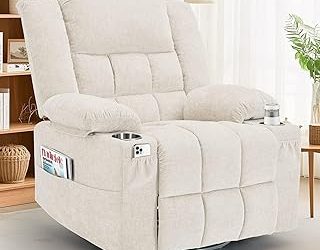
The most sleep-capable option here: dual motors, a lay-flat range, a zero-gravity preset, and an adjustable headrest that lets you fine-tune neck angle rather than accept whatever the backrest dictates. Flip-arm storage keeps glasses and medication off the floor.
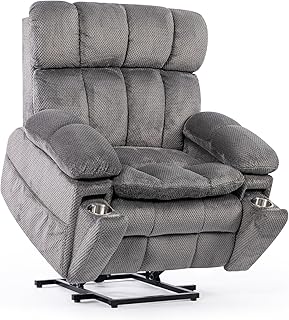
MCombo 7287 Fabric Lift Recliner (Light Grey)
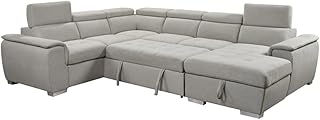
The woven upholstery breathes noticeably better than leatherette, making it the smarter buy for warm rooms or anyone who wakes up damp. The 4.7-inch footrest extension is a minor spec with outsized value for taller sitters whose heels would otherwise dangle.
MAHOMICO Power Lift Recliner
Targeted lumbar heating instead of a vaguely warm seat, paired with vibration massage gentle enough to serve as a nightly wind-down cue. Its compact single-seat footprint suits apartments and tighter living rooms.
Frequently Asked Questions
Is it safe for an older adult to sleep in a recliner every night?
Often it’s preferable — mild head elevation eases reflux, congestion, and some breathing difficulty. The caveats are pressure care and circulation: use a lay-flat or zero-gravity position rather than a slumped half-sit, vary posture during the day, and inspect heels and tailbone for redness. If upright sleeping is driven by pain or breathlessness, that cause deserves a medical review.
What position helps swollen ankles?
Legs above heart level with the torso comfortably reclined — realistically only achievable on a dual-motor chair. Thirty to forty-five minutes in the late afternoon relieves overnight discomfort more effectively than elevating at bedtime.
Do heat and massage functions genuinely improve sleep?
Indirectly, yes. Surface warmth drives peripheral blood flow, and the resulting fall in core temperature is one of the body’s strongest sleep signals. Use them 30 to 60 minutes before sleep rather than during it; auto shut-off timers exist for exactly this reason.
How much clearance does a lift recliner need?
Check whether the model is wall-hugging. Conventional mechanisms want 12 to 18 inches behind them; wall-huggers glide forward and sit within a few inches of the wall. Leave space in front, too, for the lift action to tilt the user forward safely.
Final Thoughts
For whole nights of chair sleeping, the Dual Motor 26″ Extra Wide lift chair offers the most positional control and the flattest recline. Larger frames are better served by the oversized Camel massage-and-heat recliner, while the MCombo 7287 in light grey fabric is the one to choose for hot sleepers who value breathability over wipe-clean vinyl. Match the chair to the body and to the reason for sleeping upright, and the remaining specifications sort themselves out.