
The moment a yoga mat fails, you know exactly what happened: your front hand creeps forward in Downward Dog, your shoulders drift past your wrists, and you spend the next three breaths fighting the floor instead of settling into the pose. Grip is not a marketing feature — it is the difference between a hold that builds strength and one that just builds frustration. The same goes for durability. A mat that develops bald patches under the ball of each foot within four months is not cheap, no matter what it cost.
Grip and longevity usually pull in opposite directions. Open-cell surfaces drink up sweat and hold beautifully, but they also absorb everything else and eventually wear thin. Closed-cell polyurethane and dense rubber last for years, though some need a break-in period before they stop feeling glassy. The six mats below span roughly $25 to $150, and each one earns its place for a specific reason — cushioning, tackiness, alignment guides, or sheer indestructibility. Pick based on what your practice actually demands, not on what looks best rolled up in a corner.
Our top picks


As an Amazon Associate we earn from qualifying purchases at no extra cost to you.
As an Amazon Associate we earn from qualifying purchases.

Quick Comparison
| Mat | Thickness | Material | Approx. Weight | Best For |
|---|---|---|---|---|
| Amazon Basics Extra Thick Yoga Mat | 13 mm | NBR foam | 2.4 lb | Joint cushioning on a budget |
| Manduka PRO | 6 mm | Closed-cell PVC | 7.5 lb | Lifetime durability, studio use |
| Liforme Original | 4.2 mm | Polyurethane over rubber | 5.5 lb | Alignment guidance, hot yoga |
| JadeYoga Harmony | 5 mm | Open-cell natural rubber | 5 lb | Immediate grip, natural materials |
| Gaiam Print Premium | 6 mm | PVC, latex-free | 3 lb | Home practice, general fitness |
| BalanceFrom GoYoga+ | 12.7 mm | High-density foam | 2.6 lb | Floor work, Pilates, stretching |
How to Choose
- Match thickness to your style, not your comfort instinct. Anything above 8 mm feels luxurious in Child’s Pose and wobbly in Half Moon. Standing balance work wants 3–6 mm; restorative and floor-heavy sessions can go thicker.
- Decide how you sweat. If your palms are damp ten minutes in, you need an open-cell rubber or polyurethane top layer that grips because of moisture. Dry practitioners do better with textured closed-cell mats that never absorb anything.
- Weigh it before you commit to carrying it. A 7.5-pound mat is a non-issue in a spare bedroom and a genuine burden on a twenty-minute walk to class. Travel mats under 3 pounds exist for a reason.
- Check the edges and the backing. Delamination almost always starts at a corner. Mats with a bonded rubber base resist curling far better than single-layer foam, which tends to memorize its rolled shape.
- Read the cleaning instructions before you buy. Natural rubber degrades with oil-based cleaners, and open-cell surfaces should never be soaked. If you want to hose a mat down after every session, buy closed-cell.
Top Picks Reviewed
1. Amazon Basics 1/2 Inch Extra Thick Exercise Yoga Mat with Carrying Strap for Home Workouts and Fitness, 74" x 24", Black
At 13 mm of NBR foam, this is less a yoga mat than a padded platform — and for a lot of people, that’s the point. Kneeling sequences, tabletop work, spinal rolls, and any pose that puts a bony joint against the floor become genuinely comfortable. The ribbed texture on both faces gives your feet something to bite into, and the included strap means it stores upright instead of taking over the room. The honest limitation is stability: in Warrior III or Tree, that much foam compresses unevenly and your ankle does extra work. Treat it as a stretching, Pilates, and gentle-flow mat and it punches enormously above its price. Foam this soft will eventually take permanent dents where your heels land, but replacing it costs less than a single studio drop-in.
2. Manduka PRO
The PRO is the mat you buy once. Its closed-cell PVC construction is dense enough that it doesn’t compress meaningfully underfoot, giving standing poses a rooted, floorboard-solid feel. New, the surface is famously slick — it needs a genuine break-in, either through weeks of use or a salt scrub — but once broken in, the grip holds for years. Nothing seeps in, so a damp cloth handles all cleaning, and the 6 mm cushion protects knees without sacrificing balance. The tradeoff is 7.5 pounds of it. This is a mat that lives in a studio or a home practice space, not one you sling over your shoulder.
3. Liforme Original
Liforme’s etched alignment system — a center line, cross lines, and angled markers — sounds gimmicky until you use it to catch a hip that’s been rotating open for years. The polyurethane top layer over natural rubber is the closest thing to genuinely non-slip when wet, which makes it a favorite for hot classes. At 4.2 mm it strikes a good middle ground between joint padding and ground feel. It’s the most expensive mat here, and the soft surface can scuff if you drag furniture across it, but for anyone practicing alone and self-correcting, the guides earn their keep.
4. JadeYoga Harmony
Open-cell natural rubber grips from the first minute — no break-in, no salt scrub, no chalk. Sweat gets absorbed rather than pooling, which is why so many long-time practitioners stay loyal. The 5 mm rubber has a springy, alive quality that foam can’t replicate. Because it’s absorbent, it needs care: air it out, skip the oil-based sprays, and expect the surface to wear over a few years of daily use. It also carries a distinct rubber smell for the first couple of weeks, and it’s not suitable for anyone with a latex allergy.
5. Gaiam Print Premium
Gaiam’s 6 mm PVC mat is the reliable middle option — enough cushion for kneeling, enough stability for standing, and a textured surface that handles moderate sweat. It’s light at around 3 pounds, wipes clean easily, and the printed designs actually help with orientation since you can see immediately whether you’ve drifted. It won’t match the density of a Manduka or the wet grip of a Liforme, but for a few sessions a week at home, it does everything asked of it at a fraction of the cost.
6. BalanceFrom GoYoga+
Another thick-foam contender, the GoYoga+ pairs a 12.7 mm cushion with a double-sided non-slip texture and includes both a strap and a smaller mat towel. It shines for core work, physical therapy exercises, and anything involving sustained pressure on the spine or knees. Like all high-loft foam, it trades balance for comfort and will show compression marks over time. As a second mat dedicated to floor work — or a first mat for someone easing back into movement after injury — it’s hard to beat.
Frequently Asked Questions
What thickness should I actually buy?
For a mixed practice with standing poses and balances, 4–6 mm is the sweet spot. Go to 8 mm or beyond only if your sessions are mostly seated, kneeling, or supine, or if knee and wrist pain is the limiting factor. Under 3 mm is a travel choice, not an everyday one.
How do I stop slipping when my hands sweat?
First, confirm your mat is the right type — closed-cell surfaces get slicker as moisture builds, while open-cell rubber and polyurethane get grippier. If you’re already on the right material, lay a damp cotton towel across the top third of the mat, and press your fingertips down rather than bearing weight on the heel of the hand.
How often should I clean it?
Wipe closed-cell mats after every sweaty session with a diluted vinegar or mild soap solution, and let them dry flat before rolling. Open-cell rubber should be spot-cleaned and air-dried rather than saturated. Avoid alcohol and essential-oil sprays on rubber — both break it down and leave a slick residue.
Why does my new mat smell?
Natural rubber and fresh PVC both off-gas. Unroll the mat and leave it in a ventilated room out of direct sunlight for three to seven days. Wiping it with a damp cloth speeds things up. The odor fades permanently; sunlight, on the other hand, will crack rubber, so keep it in the shade.
Final Thoughts
If you want one mat to last a decade and you practice in a fixed spot, the Manduka PRO is the straightforward answer once you’ve broken it in. If you sweat heavily or want built-in feedback on your alignment, spend up for the Liforme or go with the JadeYoga Harmony for instant, uncomplicated grip. And if your priority is protecting knees, hips, and spine during floor-based work — or you’re simply not ready to spend three figures on a piece of foam — the Amazon Basics Extra Thick and the BalanceFrom GoYoga+ deliver real cushioning for very little money. Be honest about how you practice, and the right mat becomes obvious.

Best Ice Therapy Machines for Post-Surgery Recovery
The best ice therapy machines for post-surgery recovery are the Ossur Cold...

What to Look for in a Massage Gun for Recovery in 2026: What Actually Matters
Most people buy a massage gun the wrong way around. They shop...
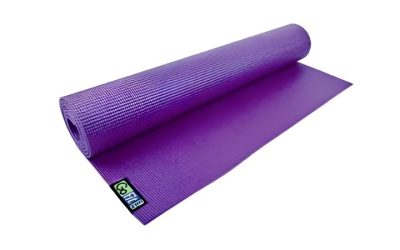
8 Best Grippy Yoga Mats: 6 Non-Slip Picks for Hands and Feet
Best grippy yoga mat means two different things at once: a top...
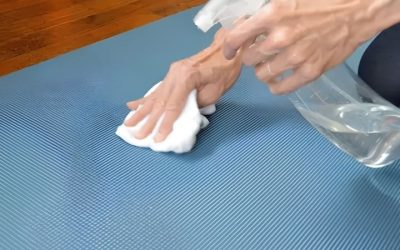
8 Best Ways to Clean a Yoga Mat: Methods, Timing and Sprays
Best way to clean a yoga mat depends entirely on what the...
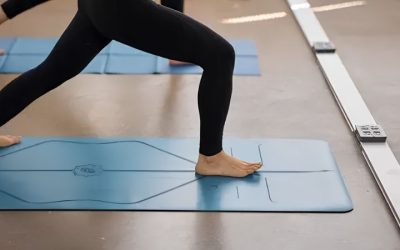
8 Best Grip Yoga Mats: 6 Non-Slip Picks for Sweaty Practice
Best grip yoga mat searches almost always start after a hand slides...
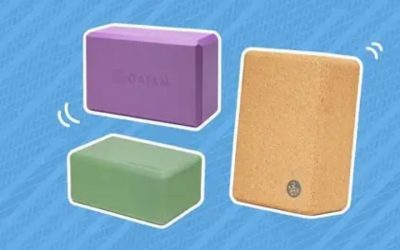
Yoga Block Best Picks: 6 Cork and Foam Options Compared
Yoga block best comparisons focus on colour and skip the one property...
8 Best Yoga Mat Bikram Practices: 6 Sweat-Proof Picks Compared
Best yoga mat bikram shopping has one governing variable: what the surface...
8 Best Cheapest Yoga Mats: 6 Budget Picks That Still Hold Grip
Best cheapest yoga mat hunting has one trap: thickness is easy to...
Best Yoga Travel Mat: 6 Picks by Weight and Packed Size
Best yoga travel mat choices are all compromises, because everything that makes...
8 Best Yoga Mat Reddit Debates: 6 Mats and the Real Answers
Best yoga mat reddit threads circle the same four arguments every time:...
Write Your Review
No reviews yet. Be the first to share your experience!