
Mat thickness is measured in millimetres, and the difference between 4 and 10 changes your practice more than any other specification. Thin mats transmit floor feedback, which is what makes balance poses feel secure — your foot senses the ground and adjusts. Thick mats absorb that feedback in exchange for cushioning, which is exactly what a knee needs during a long kneeling sequence. You cannot have both, so the sensible approach is to decide which failure you would rather live with.
Ranked from thinnest to plushest, the six mats below cover the practical spectrum: standard 6 mm eco mats, half-inch exercise mats, and one-inch cushioned options built for floor work. Grip, weight, and how well each holds its shape over time are all secondary to that one question of depth. Below is what each thickness band actually feels like once you are on it, and who it suits.
Our top picks


As an Amazon Associate we earn from qualifying purchases at no extra cost to you.
Quick Comparison
| Product | Best For | Standout Feature | Watch Out For |
|---|---|---|---|
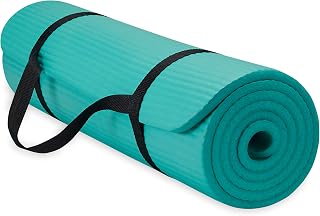
| Amazon Basics Extra Thick Mat | Kneeling comfort | Extra depth, carry strap | Balance poses feel unsteady |
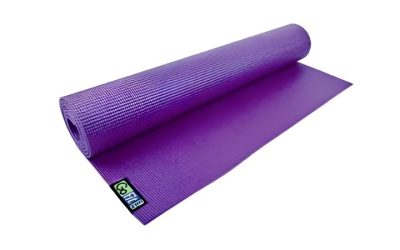
| Gruper Non-Slip Yoga Mat | Standard practice | Balanced thickness and grip | Modest cushion for knees |
| Gruper Pro Yoga Mat | Daily flow sessions | Eco build, stable feel | Shows wear on light colours |
| Retrospec Solana Mat | Floor-based routines | Deep cushioning, nylon strap | Heavy to carry regularly |
| Retrospec Solana Thick Mat | Joint protection | 1 inch of padding | Not suited to standing work |
| Gaiam Print Yoga Mat | All-round yoga | Classic thickness and grip | Thinner than gym mats |
How to Choose
- Standing practice wants thin: Four to six millimetres gives the ground feedback that makes tree pose and warrior three achievable. Anything much deeper and your ankle spends the pose correcting.
- Kneeling and rolling want thick: If your sessions involve long kneeling holds, spinal rolls, or lying work, half an inch or more removes the discomfort that ends sessions early.
- Weight scales with depth: A one-inch mat is several times heavier than a 6 mm one. If you carry it to a class, that difference is the reason it stays in the car.
- Thicker mats need firm floors: A deep mat over thick carpet compounds instability. On carpet, go thinner than you otherwise would; on tile or concrete, go thicker.
- Consider owning two: A thin mat for flow and a thick one for floor work costs less than most single premium mats and solves the compromise entirely.
Top Picks Reviewed
Best Balance of Thickness: Gruper Non-Slip Yoga Mat
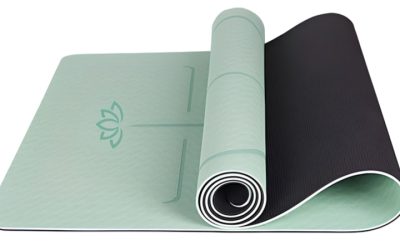
This sits in the sweet spot where standing poses stay stable and kneeling is still tolerable. The textured surface grips hardwood and tile without needing a towel for a moderate-intensity practice, and it comes with a strap for storage.
If your knees are genuinely sensitive, this will not be enough padding. It is a compromise mat, and compromises leave someone unsatisfied.
Best for Joint Protection: Retrospec Solana Thick Mat
A full inch of padding is enough that kneeling on a hard floor stops registering entirely, which for anyone with knee sensitivity is the difference between practising and not. The nylon strap makes an otherwise bulky mat manageable.
Standing balance work on this is genuinely difficult — the surface compresses unevenly under a single foot. Treat it as a floor-work mat rather than a yoga mat.
Best Cushioned All-Rounder: Retrospec Solana Mat
Deep cushioning with enough structure to remain usable for gentle standing work makes this the pick for a practice that mixes seated, kneeling, and occasional standing sequences. Build quality is a step above budget foam mats.
It is heavy. Carrying it any distance regularly is a chore, and it takes up more room rolled than a standard mat.
Best for Daily Flow: Gruper Pro Yoga Mat
Stable underfoot with reliable grip, this suits a practice done most days where transitions matter more than padding. The eco-friendly construction also means far less initial odour than cheap alternatives.
Lighter colourways show marks quickly, and the moderate thickness means kneeling sequences on a hard floor still need a folded blanket under the knees.
Best Traditional Yoga Mat: Gaiam Print Yoga Mat
Classic yoga thickness with a grippy surface suited to standing poses, pilates, and general floor exercise. It behaves the way experienced practitioners expect a mat to behave, which is a real virtue.
Compared with gym-style exercise mats it is thin, so anyone coming from a padded fitness mat will notice their knees more in the first sessions.
Best Budget Cushioning: Amazon Basics Extra Thick Mat
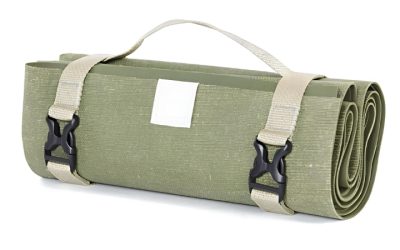
Extra depth at a low price with a carrying strap included makes this the easy recommendation for someone who mainly wants comfort during stretching and floor work rather than a dedicated yoga surface.
The softness undermines standing poses noticeably, and cheaper foam compresses permanently at the hand and foot positions faster than denser materials.
Frequently Asked Questions
What is the best thickness for a yoga mat?
Six millimetres suits most practices. Go thinner if balance work dominates and you want ground feel; go to half an inch or more if kneeling and floor work dominate and your joints need protection.
Is a thicker mat always more comfortable?
For kneeling and lying work, yes. For standing poses, no — extra depth removes the stability your foot relies on, which makes balance harder and can feel less comfortable overall.
Can I put a yoga mat on carpet?
Yes, but choose a thinner mat. Carpet already provides cushioning, and stacking a thick mat on top creates an unstable surface for anything done on one leg.
How do I stop a thick mat from curling at the edges?
Store it rolled loosely with the top surface facing out, or lay it flat under a bed. Tight rolling with the grip side inward is what causes edges to lift for weeks after unrolling.
Final Thoughts
If your practice includes standing balance work, the Gruper Non-Slip Yoga Mat gives the most usable middle ground, while the Gaiam Print Yoga Mat is the traditional choice for classic yoga. For knees that protest on hard floors, the Retrospec Solana Thick Mat and its full inch of padding is worth the trade in stability.


Write Your Review
No reviews yet. Be the first to share your experience!