Key takeaways
- Recline geometry, not just travel distance: The restorative position isn’t flat. Aim for roughly a 120–135° torso-to-thigh angle with the knees raised toward heart level, which unloads the lumbar discs and assists venous return from the legs. Chairs engineered around a zero-gravity preset hit this on purpose; basic three-position mechanisms often stop well short.
- Independent head and neck control: A backrest that pushes the chin toward the sternum narrows the upper airway and is a frequent cause of positional snoring. Look for a power or manually adjustable headrest that tilts separately from the backrest so you can keep the neck neutral at any angle.
- Thermal behavior of the upholstery: Falling asleep requires shedding close to a degree of core temperature. Dense foam under bonded or PU leather holds heat against the back and thighs; chenille, woven fabric, and perforated top-grain leather breathe far better. Treat built-in heat as a 15–20 minute pre-sleep ritual, not an all-night setting.
- Fit to your actual frame: Measure before you buy. You want two fingers of clearance behind the knee to avoid popliteal pressure, and enough seat width to shift or curl slightly without your shoulder jamming into an armrest. Taller and broader sleepers should be shopping the 40″+ seat-width category rather than standard chairs.
- Quiet operation and reach: Motor whine and awkward manual levers both cause brief arousals you may not consciously remember. Prioritize smooth, low-noise actuation, and note that USB-C ports, cup holders, and wall-hugger clearance genuinely reduce how often you get up.
What's inside
A recliner is marketed as living-room furniture, but in a great many households it quietly becomes sleep equipment. Post-surgical recovery, acid reflux, late-pregnancy discomfort, a partner who snores, a cough that only settles when you’re propped upright — these are the reasons people end up spending three, four, sometimes seven hours a night in a chair rather than in bed. Yet nearly every spec sheet is written for the awake body: motor counts, cup holders, upholstery swatches. Nothing tells you whether the headrest will let your chin collapse onto your chest at 2 a.m., or whether the seat traps enough body heat to stall the core-temperature drop that sleep onset depends on.
This guide assesses 2026’s best-rated recliners through a sleep-wellness lens: recline geometry, cervical support, thermal behavior, and how quietly a chair changes position in the dark. Below you’ll find the current standouts, a buying framework grounded in how the sleeping body actually behaves, model-by-model assessments, and answers to the questions buyers ask most often.
As an Amazon Associate we earn from qualifying purchases.


How to Choose a Top-Rated Recliner (2026)
- Recline geometry, not just travel distance: The restorative position isn’t flat. Aim for roughly a 120–135° torso-to-thigh angle with the knees raised toward heart level, which unloads the lumbar discs and assists venous return from the legs. Chairs engineered around a zero-gravity preset hit this on purpose; basic three-position mechanisms often stop well short.
- Independent head and neck control: A backrest that pushes the chin toward the sternum narrows the upper airway and is a frequent cause of positional snoring. Look for a power or manually adjustable headrest that tilts separately from the backrest so you can keep the neck neutral at any angle.
- Thermal behavior of the upholstery: Falling asleep requires shedding close to a degree of core temperature. Dense foam under bonded or PU leather holds heat against the back and thighs; chenille, woven fabric, and perforated top-grain leather breathe far better. Treat built-in heat as a 15–20 minute pre-sleep ritual, not an all-night setting.
- Fit to your actual frame: Measure before you buy. You want two fingers of clearance behind the knee to avoid popliteal pressure, and enough seat width to shift or curl slightly without your shoulder jamming into an armrest. Taller and broader sleepers should be shopping the 40″+ seat-width category rather than standard chairs.
- Quiet operation and reach: Motor whine and awkward manual levers both cause brief arousals you may not consciously remember. Prioritize smooth, low-noise actuation, and note that USB-C ports, cup holders, and wall-hugger clearance genuinely reduce how often you get up.
The Best Rated Recliners (2026), Reviewed
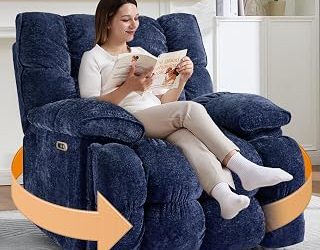
Korser 360° Swivel Rocker Recliner
Gentle rocking at a slow, steady cadence has a measurable calming effect on the nervous system, which makes this glider unusually good for 3 a.m. feeds and for anyone who struggles to settle in a static chair. Its manual mechanism also means no motor hum, and the fabric upholstery sheds heat better than the leather-look alternatives in this price band.
Watson & Whitely Oversized Genuine Leather Power Recliner
The sleep-relevant feature here is the power headrest, which lets you fine-tune neck angle without abandoning your recline position — the single best defense against chin-to-chest airway compression. The wall-hugger design and generous seat make it a strong fit for big-and-tall sleepers in rooms where clearance behind the chair is tight.
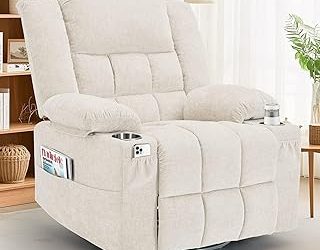
FLEXISPOT Mochi 54″ Power Recliner
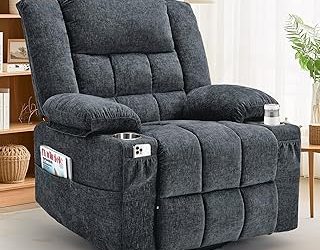
At 54 inches wide, the Mochi gives you room to shift, curl, or sleep semi-lateral rather than being pinned into one posture all night, and the chenille upholstery breathes noticeably better than leather under a blanket. The USB and Type-C ports keep a phone or CPAP-adjacent device charged within arm’s reach.
Ashley Boyington Zero Gravity Power Recliner
This is the most sleep-specific chair on the list: a genuine zero-gravity preset with an extended ottoman and adjustable headrest puts the legs near heart level while keeping the neck neutral, and the air massage and heat make a credible wind-down sequence. Confirm the 250-lb capacity suits your household before ordering.
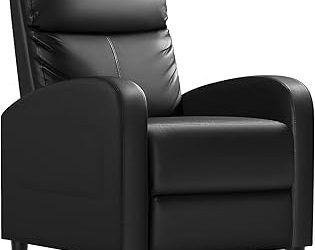
Homall Recliner Chair
A well-judged budget pick with real lumbar support, best understood as an evening wind-down and home-theater seat rather than a nightly bed substitute. The PU leather runs warm over long stretches, so pair it with a breathable throw if you tend to drift off in it.
Frequently Asked Questions
Is sleeping in a recliner every night bad for you?
Short-term it’s often actively recommended — after shoulder or cardiac surgery, during reflux flare-ups, or in late pregnancy. The long-term concerns are circulatory stasis and pressure points, so keep the legs elevated rather than dangling, change position through the night, and discuss the underlying reason with a clinician rather than making the chair a permanent fix.
Do heat and massage functions genuinely help you sleep?
Modestly, yes. Localized warming triggers peripheral vasodilation, and the resulting heat loss produces the core-temperature dip that precedes sleep onset. Use them for 15–20 minutes before you settle, and choose a model with an auto shut-off so nothing runs while you’re unconscious.
Power or manual for overnight use?
Power wins if you need to adjust position without engaging your core — critical during recovery — and it’s the only reliable way to get an independent headrest. Manual wins on silence, price, and immunity to power cuts.
What recline angle should I actually use?
Start near 130° with the footrest raised. If reflux is the reason you’re in the chair, keep the torso at least 30–45° above horizontal, and adjust the headrest until your ear, shoulder, and hip roughly align.
Final Thoughts
For anyone treating a recliner as genuine sleep furniture, the Ashley Boyington is the most purpose-built option here thanks to its true zero-gravity positioning and adjustable headrest. The FLEXISPOT Mochi is the better call if you sleep warm or need width to move, while the Korser swivel rocker remains the quiet, breathable choice for nurseries and light sleepers.