Key takeaways
- Output matched to your space: Roughly 40,000–50,000 BTU suits an open deck or exposed balcony with a 9-foot warm radius; 18,000 BTU is plenty for a two-person porch nook or a semi-enclosed garage doorway. Oversizing means you’ll run the burner low anyway and waste tank capacity.
- Variable heat control: This is the feature I care about most. Body temperature needs to drift downward as bedtime approaches, so a heater that only runs at full blast works against you. Look for a genuinely adjustable valve you can taper across the evening.
- Glare and flame visibility: A tempered-glass flame tube looks beautiful but puts bright light in your peripheral vision. If you’re using the patio to unwind, choose a shielded burner or position a glass-tube model off to the side rather than directly across from seating.
- Stability and safety hardware: Insist on a tilt-activated shut-off, a weighted or water-fillable base, and lockable casters. Anything you’d hesitate to leave near a wine glass or a dog’s tail is the wrong heater.
- Storage reality: A 91-inch tower needs somewhere to go in July. Included covers, wheel-tilt transport, and folding designs decide whether the heater gets used for five seasons or one.
What's inside
Most patio-heater shopping happens in a panic: the temperature drops, the outdoor season feels like it’s ending early, and someone buys the first tall mushroom-shaped tower they can find. What gets overlooked is why that outdoor hour matters in the first place. As a sleep-wellness specialist, I spend a lot of time telling people to stop scrolling in bed and go sit outside instead — dim evening light, cool air on the face, and a slow conversation do more for sleep pressure than any supplement on the shelf. A heater is what keeps that habit alive from October through April.
This guide looks at propane patio heaters through that lens: radiant warmth that reaches you without glaring into your eyes, output you can dial down as the night winds on, stability you don’t have to think about, and portability for households where the wind-down spot moves between deck, garage bay, and campsite. Below are six models worth considering in 2026, followed by a short buying framework, honest notes on each, and answers to the questions I hear most.
As an Amazon Associate we earn from qualifying purchases.


🛒 Best Price Today on Amazon
Prime members get fast, free shipping on everything above, plus member-only deals. New members get a 30-day free trial — cancel anytime.
How to Choose a Propane Heater For Patio (2026)
- Output matched to your space: Roughly 40,000–50,000 BTU suits an open deck or exposed balcony with a 9-foot warm radius; 18,000 BTU is plenty for a two-person porch nook or a semi-enclosed garage doorway. Oversizing means you’ll run the burner low anyway and waste tank capacity.
- Variable heat control: This is the feature I care about most. Body temperature needs to drift downward as bedtime approaches, so a heater that only runs at full blast works against you. Look for a genuinely adjustable valve you can taper across the evening.
- Glare and flame visibility: A tempered-glass flame tube looks beautiful but puts bright light in your peripheral vision. If you’re using the patio to unwind, choose a shielded burner or position a glass-tube model off to the side rather than directly across from seating.
- Stability and safety hardware: Insist on a tilt-activated shut-off, a weighted or water-fillable base, and lockable casters. Anything you’d hesitate to leave near a wine glass or a dog’s tail is the wrong heater.
- Storage reality: A 91-inch tower needs somewhere to go in July. Included covers, wheel-tilt transport, and folding designs decide whether the heater gets used for five seasons or one.
The Best Propane Patio Heaters (2026) Reviewed
Pamapic 41,000 BTU with Wheels & Cover (Ink)
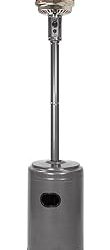
My default recommendation for a nightly wind-down setup: CSA-certified, weather-resistant, and supplied with a cover, so it survives being left in place all season. The 41,000 BTU output warms a four-chair circle comfortably while still throttling low enough for the last twenty minutes before bed.
Amazon Basics 46,000 BTU Portable Patio Heater
The water-fillable base is the quiet standout here — filled, it shrugs off gusts that make lighter towers feel precarious, which matters if you’re leaning back and half-asleep. The 9-foot radius and smooth heat adjustment make it the most flexible pick for mixed residential and small-restaurant use.
Ignovate 50,000 BTU Powder-Coated Steel Heater
The highest output on this list, and the one I’d choose for an exposed rooftop or windy corner lot where lesser heaters simply lose the fight. Powder-coated steel, easy piezo ignition, and a safety shut-off make it a sturdy long-term buy, though it’s more heater than a small balcony needs.
41,000 BTU Tempered Glass Patio Heater (Inky)
A visually striking option: the glass flame tube gives you a campfire-like focal point, which some people find genuinely calming. Just seat it slightly outside your direct line of sight, since a bright column at eye level is exactly the kind of light cue that keeps the brain alert.
Pamapic 41,000 BTU with Lockable Wheels & Cover
Essentially the streamlined sibling of our top pick — same CSA certification, same output, same included cover, with a simpler silhouette that tucks against a wall. A sensible choice if you want proven hardware without paying for extra styling.
Frequently Asked Questions
How long does a propane tank last?
A standard 20 lb tank runs roughly 8–10 hours at full output on a 40,000–50,000 BTU heater, and considerably longer once you taper the flame. For a typical 90-minute evening session, expect a week or more per tank.
Does sitting outside in the cold really help sleep?
Cool evening air and low ambient light support the natural drop in core temperature and the melatonin rise that precede sleep. A heater’s job is to keep you comfortable enough to stay out there — not to recreate indoor warmth.
Can I use these under a covered patio?
Only with generous overhead and side clearance, and never in a fully enclosed space. Check the manufacturer’s clearance figures, and if ventilation is limited, choose the compact 18,000 BTU foldable model instead.
Is a folding portable heater worth it?
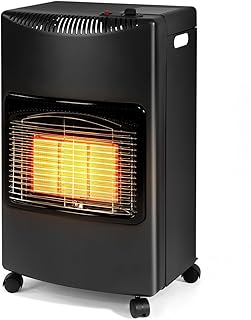
Yes, if your unwind spot changes. The 18,000 BTU foldable propane heater with LP regulator packs down for camping, garage work, or a small porch, trading reach for genuine portability.
Final Thoughts
For most homes, the Pamapic 41,000 BTU with cover delivers the best balance of certified safety, adjustable warmth, and season-long durability. Choose the Amazon Basics 46,000 BTU if wind stability is your priority, or the compact 18,000 BTU foldable heater if your evenings move around — and let whichever you pick buy you a few more calm, screen-free hours before bed.