Key takeaways
- Recline geometry: A standard chair stops near 140 degrees, which is excellent for reading and adequate for dozing. If you intend to sleep in the chair regularly, look for infinite-position or lay-flat travel, which lets you open the hip angle and raise the ankles above the heart rather than folding you into a seated slump.
- Motor architecture: Single-motor chairs move the back and footrest together on one fixed arc. Dual-motor chairs drive them independently, which is what makes true zero gravity possible and lets you fine-tune the angle if you have reflux, edema, or lower-back sensitivity.
- Thermal management: Core temperature has to fall for sleep to begin. Breathable fabric or perforated faux leather beats sealed vinyl for overnight use. Heat and massage are genuinely useful as pre-sleep wind-down tools, not as all-night settings, so favor models with auto shut-off timers.
- Fit and footprint: Measure seat width, seat-to-floor height, and footrest extension against the user’s body, not against the room. Tall users should specifically check footrest length so the calves are supported rather than dangling. Wall-hugger designs matter in apartments and RVs where you cannot give up eighteen inches behind the chair.
- Power continuity: Confirm the chair includes a battery backup so a power cut does not strand a reclined user. USB-A and USB-C ports are more than a convenience: they keep a phone, CPAP accessory, or reading light within reach without a cable strung across the floor.
What's inside
Most people shop for a power recliner the way they shop for a sofa: they sit down for thirty seconds, decide it feels nice, and buy it. Then they discover the thing they actually wanted was a place to sleep. A chair that supports a comfortable evening of television is not automatically a chair that supports two hours of restorative napping, or an entire night for someone recovering from surgery, managing reflux, or dealing with a shoulder that will not tolerate side-lying. The mechanical differences between those two chairs are real, and they are mostly invisible from the showroom floor.
This guide looks at power recliners through a sleep-wellness lens: how far the seat and back actually open, whether the motors can hold a true zero-gravity or lay-flat position, how the upholstery handles the heat your body needs to shed at sleep onset, and how easily you can get out of the chair at 3 a.m. without waking yourself fully. Below are the models worth your attention in 2026, followed by the criteria I would apply to any chair you are considering.
As an Amazon Associate we earn from qualifying purchases.




How to Choose a Power Recliner (2026)
- Recline geometry: A standard chair stops near 140 degrees, which is excellent for reading and adequate for dozing. If you intend to sleep in the chair regularly, look for infinite-position or lay-flat travel, which lets you open the hip angle and raise the ankles above the heart rather than folding you into a seated slump.
- Motor architecture: Single-motor chairs move the back and footrest together on one fixed arc. Dual-motor chairs drive them independently, which is what makes true zero gravity possible and lets you fine-tune the angle if you have reflux, edema, or lower-back sensitivity.
- Thermal management: Core temperature has to fall for sleep to begin. Breathable fabric or perforated faux leather beats sealed vinyl for overnight use. Heat and massage are genuinely useful as pre-sleep wind-down tools, not as all-night settings, so favor models with auto shut-off timers.
- Fit and footprint: Measure seat width, seat-to-floor height, and footrest extension against the user’s body, not against the room. Tall users should specifically check footrest length so the calves are supported rather than dangling. Wall-hugger designs matter in apartments and RVs where you cannot give up eighteen inches behind the chair.
- Power continuity: Confirm the chair includes a battery backup so a power cut does not strand a reclined user. USB-A and USB-C ports are more than a convenience: they keep a phone, CPAP accessory, or reading light within reach without a cable strung across the floor.
The Best Power Recliners (2026), Reviewed
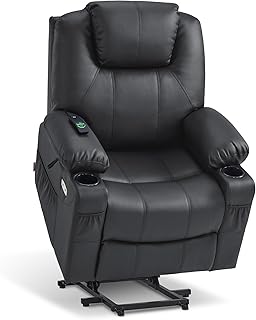
MCombo 7040 Power Lift Recliner (Dark Brown)
The most sensible all-rounder here, pairing a genuine lift function with heat and massage in a footprint that fits normal rooms. FSC and OEKO-TEX certification is a meaningful detail for anyone sensitive to off-gassing in a bedroom or sleeping space.
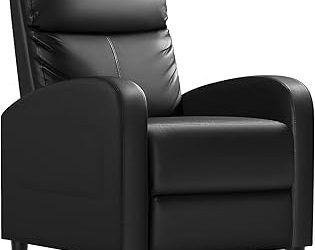
Watson & Whitely Wall Hugger Power Recliner
The one to buy if space is tight and quality of materials matters more than lift assistance, with real leather and a power headrest that lets you set neck angle independently. That headrest adjustment is the single most underrated feature for napping upright without waking with a stiff neck.
MCombo 7040 Lift Chair, Black
Mechanically the same well-sorted platform as the dark brown model, in a finish that hides wear better in high-traffic rooms. A strong choice for a caregiver setting where the chair sees daily use and occasional spills.
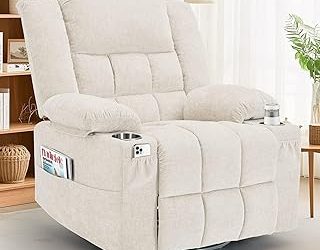
MCombo 7287 Fabric Lift Recliner (Oatmeal)
My pick for warm sleepers and warm climates: the fabric breathes far better than any leather-look surface, and the extra 4.7 inches of footrest keeps taller users from hanging off the end. It recites the essentials well without heat and massage inflating the price.
MCombo R7897 Dual Motor Zero Gravity Lift Chair
This is the sleep specialist of the group, with independent motors and infinite positioning that let you park the knees above the heart and genuinely unload the lumbar spine. The medium-wide seat also makes it the most realistic option for larger users who find standard recliners constricting at the hips.
Frequently Asked Questions
Is sleeping in a recliner every night bad for you?
Not inherently. Clinicians routinely recommend it after cardiac, shoulder, or abdominal surgery, and for reflux and some breathing conditions. The caveats are circulation and pressure: keep the legs elevated rather than dependent, shift position across the night, and stand and walk within a few minutes of waking. If a recliner is your long-term bed by choice rather than necessity, mention it at your next appointment.
Does zero gravity actually help sleep?
The position opens the hip and knee angle and raises the legs slightly above the heart, which reduces lower-back load and helps venous return. People with edema, restless legs, or lumbar pain tend to notice the difference quickly. It requires dual motors, so a single-motor chair cannot approximate it no matter how far back it goes.
Should I use the heat and massage all night?
No. Use them for fifteen to twenty minutes before you intend to sleep, then let them shut off. Sustained heat works against the drop in core temperature that triggers sleep onset, and vibration that continues into light sleep can fragment it.
Do lift chairs work for people who do not need mobility assistance?
They do, and it is worth considering. The lift mechanism reduces the effort of standing when you are groggy, which lowers fall risk during nighttime bathroom trips regardless of your baseline mobility.
Final Thoughts
If you plan to sleep in the chair rather than simply relax in it, the MCombo R7897 dual-motor zero-gravity model is the clear choice for its independent positioning and roomier seat. For everyday use with lift assistance, the MCombo 7040 remains the most balanced option, while the Watson & Whitely wall hugger is the one I would recommend for small rooms, RVs, and anyone who wants a power headrest and real leather over therapeutic extras.