Key takeaways
- Cover only vs. full topper: If your foam is still supportive and simply looks tired, a zippered encasement is the cheaper repair. Buy a complete topper only when the foam itself has lost rebound — press a palm in and count how long the dent lingers. More than eight or nine seconds means the cells are fatigued.
- Measure the loft, not just the bed size: A cover built for a 3-inch topper will strain over a 4-inch one and bunch over a 2-inch one. Depth mismatch is the single most common cause of returns in this category, and it’s entirely avoidable with a tape measure.
- Ask how the cooling works: Gel infusion moderates the initial temperature spike but does little across a full night. What sustains a cooler surface is airflow — ventilated foam, spring-based structures, or a breathable knit face fabric. Prioritize the mechanism over the marketing claim.
- Check for verified certifications: CertiPUR-US and Oeko-Tex indicate independent testing for VOC emissions and restricted substances. This matters most for a layer sitting inches from your face for a third of your life, and doubly so in bedrooms with poor ventilation.
- Confirm the anchoring system: Elastic corner straps, deep skirts, and grippy backings all prevent the nightly migration that wakes light sleepers. Anti-slip bottoms tend to outperform straps on smooth mattress ticking.
Most people don’t shop for a mattress cover until something has already gone wrong. The topper they bought last spring has developed a permanent hip-shaped dent, or the foam sleeps three degrees warmer than advertised, or a spilled glass of water has soaked into a slab that can’t be laundered. By then, the fix is more expensive than the prevention would have been. In my clinical sleep coaching work, I see the same pattern constantly: the surface layer is the part of the sleep system that takes the most abuse and gets the least thought.
This guide sorts through the 2026 crop of memory foam covers, toppers, and encasements with an eye on what actually affects sleep quality — thermal behavior, edge stability, how the fabric interacts with skin, and whether the thing can be washed without falling apart. I’ve grouped standalone covers alongside topper-plus-cover systems, since buyers searching this category are usually solving one of two problems: protecting foam they already own, or replacing a topper whose cover has given up. Notes on sizing, certifications, and long-term durability are included throughout.
Our top picks




As an Amazon Associate we earn from qualifying purchases at no extra cost to you.
🛒 Best Price Today on Amazon
Prime members get fast, free shipping on everything above, plus member-only deals. New members get a 30-day free trial — cancel anytime.
How to Choose a Memory Foam Mattress Cover (2026)
- Cover only vs. full topper: If your foam is still supportive and simply looks tired, a zippered encasement is the cheaper repair. Buy a complete topper only when the foam itself has lost rebound — press a palm in and count how long the dent lingers. More than eight or nine seconds means the cells are fatigued.
- Measure the loft, not just the bed size: A cover built for a 3-inch topper will strain over a 4-inch one and bunch over a 2-inch one. Depth mismatch is the single most common cause of returns in this category, and it’s entirely avoidable with a tape measure.
- Ask how the cooling works: Gel infusion moderates the initial temperature spike but does little across a full night. What sustains a cooler surface is airflow — ventilated foam, spring-based structures, or a breathable knit face fabric. Prioritize the mechanism over the marketing claim.
- Check for verified certifications: CertiPUR-US and Oeko-Tex indicate independent testing for VOC emissions and restricted substances. This matters most for a layer sitting inches from your face for a third of your life, and doubly so in bedrooms with poor ventilation.
- Confirm the anchoring system: Elastic corner straps, deep skirts, and grippy backings all prevent the nightly migration that wakes light sleepers. Anti-slip bottoms tend to outperform straps on smooth mattress ticking.
The Best Memory Foam Mattress Covers (2026) Reviewed
Best Price Mattress 3 Inch Ventilated Topper
The perforations here aren’t cosmetic — they create genuine vertical airflow, which is why this one holds up in warm bedrooms where sealed gel foam struggles. Its 3-inch profile is the sweet spot for softening a firm mattress without swallowing side sleepers, and the CertiPUR-US certification makes it an easy recommendation for dorms and guest rooms alike.
Linenspa 2 Inch Gel Infused Topper
At two inches, this is a comfort adjustment rather than a rebuild, which suits sleepers who like their mattress but want the pressure taken off shoulders and hips. It’s the most forgiving option for anyone unsure whether they actually want a softer surface, since it changes feel without dramatically altering spinal alignment.
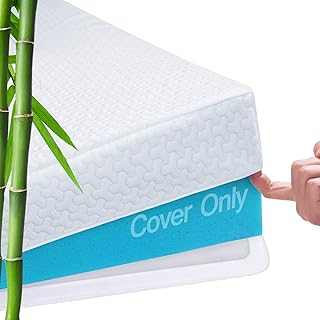
Rayon Zippered Mattress Encasement (Cover Only)
This is the repair-not-replace choice: a full zippered encasement with adjustable straps, sized for 3-inch foam or latex, that lets you strip and launder the surface layer instead of discarding a perfectly good slab. The rayon face fabric feels cooler against skin than standard polyester, a small difference that hot sleepers notice immediately.
Dormeo Octaspring Breathable Topper
Rather than solid foam, Dormeo uses individual foam springs arranged in three support zones, which sidesteps memory foam’s core weakness — trapped heat. Back sleepers and anyone with recurring lumbar complaints tend to respond best here, and the anti-slip bottom keeps it honest across the night.
MASVIS 4 Inch Dual Layer Topper
Four inches split between gel memory foam and a cooling pillow-top layer delivers real cushioning depth, making this the strongest candidate for reviving an older mattress that’s gone unpleasantly firm. Expect a medium feel overall, and budget for deep-pocket sheets before it arrives.
Frequently Asked Questions
Can I put a memory foam topper in the washing machine?
No — agitation tears the cell structure irreversibly. Only the removable cover goes in the wash, which is precisely why zippered designs like the PERLECARE and the standalone rayon encasement are worth the small premium.
Why does my new topper smell?
That’s off-gassing from residual manufacturing compounds, and it’s normal. Unwrap it in a ventilated room and give it 48 to 72 hours before sleeping on it. Certified foams typically clear faster.
Do cooling covers actually lower body temperature?
They don’t cool you actively; they reduce heat retention at the surface. The practical effect is fewer thermal micro-arousals in the second half of the night — meaningful, but modest compared to lowering your room temperature.
How long should a topper last?
Three to five years with a protective cover, noticeably less without one. Persistent body impressions that don’t recover by morning are your replacement signal.
Final Thoughts
For most buyers, the ventilated Best Price Mattress topper offers the best balance of airflow, thickness, and value, while the PERLECARE Queen earns its keep on the strength of its removable, washable cover and Oeko-Tex certification. If heat retention is your primary complaint, the Dormeo Octaspring’s spring-based construction solves the problem more thoroughly than any gel infusion can — and if your existing foam is still sound, the standalone zippered encasement is the smartest money in this entire roundup.