Key takeaways
- Thickness vs. transfer: Two to three inches relieves pressure without raising the bed much. Four inches or more feels luxurious but adds height, which matters if standing up from the bed is already effortful or if a bed rail is in use.
- Support type: Gel memory foam contours around bony prominences and is the better choice for hip, shoulder, or sacral pressure. Overfilled pillow-top and fiber pads cushion the surface and soften a too-firm mattress, but they don’t redistribute deep pressure the same way.
- Temperature behavior: Night sweats and heat-driven wake-ups are common with age and with many prescriptions. Ventilated foam, gel infusion, and viscose or bamboo-derived covers all move heat away from the skin; dense unventilated foam does the opposite.
- Anchoring: A topper that slides is a fall hazard. Look for deep-pocket skirts sized to your actual mattress depth — measure it — so the pad stays put during transfers rather than bunching at the edge.
- Maintenance reality: Choose a machine-washable cover, and consider weight: a heavy foam slab is hard for one person to lift for changing sheets. Removable covers and lighter builds win in practice.
Aging changes the way the body meets a mattress. Circulation slows, skin thins over the hips and shoulders, joints stiffen overnight, and the shallow stages of sleep get lighter and easier to interrupt. A bed that felt fine at 50 can feel punishing at 75 — not because the mattress failed, but because the pressure map of the body changed. Replacing a mattress outright is expensive and physically demanding, and for many seniors a full-size box arriving at the door is a non-starter. A topper solves the comfort problem without the logistics problem.
This guide looks at toppers through a clinical-comfort lens rather than a marketing one: how each option handles pressure redistribution at the hip and shoulder, whether it traps the heat that fragments sleep, how easy it is to get in and out of bed once the surface changes height, and how much of a fall or entrapment risk a loose, poorly anchored pad creates. Below you’ll find the picks worth considering in 2026, a short buying framework, and answers to the questions caregivers ask most.
Our top picks



As an Amazon Associate we earn from qualifying purchases at no extra cost to you. Ratings are shown as listed on Amazon.
🛒 Best Price Today on Amazon
Prime members get fast, free shipping on everything above, plus member-only deals. New members get a 30-day free trial — cancel anytime.
How to Choose a Mattress Topper For Seniors (2026)
- Thickness vs. transfer: Two to three inches relieves pressure without raising the bed much. Four inches or more feels luxurious but adds height, which matters if standing up from the bed is already effortful or if a bed rail is in use.
- Support type: Gel memory foam contours around bony prominences and is the better choice for hip, shoulder, or sacral pressure. Overfilled pillow-top and fiber pads cushion the surface and soften a too-firm mattress, but they don’t redistribute deep pressure the same way.
- Temperature behavior: Night sweats and heat-driven wake-ups are common with age and with many prescriptions. Ventilated foam, gel infusion, and viscose or bamboo-derived covers all move heat away from the skin; dense unventilated foam does the opposite.
- Anchoring: A topper that slides is a fall hazard. Look for deep-pocket skirts sized to your actual mattress depth — measure it — so the pad stays put during transfers rather than bunching at the edge.
- Maintenance reality: Choose a machine-washable cover, and consider weight: a heavy foam slab is hard for one person to lift for changing sheets. Removable covers and lighter builds win in practice.
The Best Mattress Toppers For Seniors (2026), Reviewed
BDEUS Dual Layer 5 Inch Memory Foam Topper
This is the most complete rescue for a mattress that has gone hard and lumpy: two inches of gel foam underneath a 1450 GSM quilted pillow top gives you genuine pressure relief plus a soft landing surface. Just account for the added height before ordering, especially if bed exits are already unsteady.
EGO 3 Inch Gel Memory Foam Topper
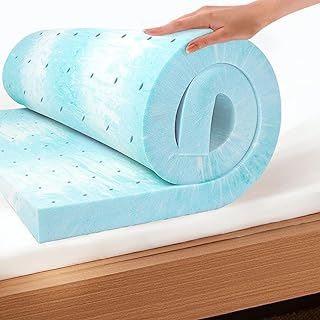
The sweet spot for most seniors dealing with hip and shoulder ache — three inches is enough to cradle pressure points without swallowing the sleeper, and the ventilated, gel-infused build keeps the foam from turning into a heat trap. CertiPUR-US certification is reassuring for anyone sensitive to off-gassing.
BEDLORE Queen Viscose Bamboo Pillow Top
A smart pick when the mattress is structurally fine but simply too firm. The thick fiber fill softens the contact surface, the viscose bamboo cover sleeps cool and dry, and the stretchable pockets fit anything from 6 to 18 inches — a genuine advantage on older or unusually deep beds.
Niagara Ultra Soft & Cooling Bamboo Topper
Built for hot sleepers first: the rayon-from-bamboo surface wicks efficiently, and the 20-inch deep pocket grips well enough to stay flat through repeated transfers. Best for lighter-weight sleepers or those who want cushioning rather than deep contouring.
SINWEEK 2 Inch Gel Memory Foam Topper
The low-profile option, and the one I’d recommend where bed height genuinely matters — adjustable beds, hospital beds, or anyone using a rail or transfer pole. Two inches still takes the edge off pressure without changing how it feels to sit up and stand.
Frequently Asked Questions
Is memory foam or a pillow-top pad better for arthritis?
Gel memory foam usually performs better, because it redistributes load across a wider surface instead of concentrating it at the joint. Fiber pillow-tops feel plush but compress quickly under the hips.
Will a topper help with pressure sores?
A quality topper can reduce pressure and improve comfort, but it is not a medical device. Anyone with existing skin breakdown, limited mobility, or an active wound should be evaluated for a prescribed pressure-redistribution surface.
Does a thicker topper make it harder to get out of bed?
It can. Every added inch raises the seat height and increases how far you sink before pushing off. If mobility is a concern, stay at two to three inches.
How long should a topper last?
Expect three to five years from foam and two to four from fiber fill. Persistent body impressions, a flattened center, or returning morning stiffness are the signals to replace it.
Final Thoughts
For most seniors, the EGO 3 Inch Gel Memory Foam Topper is the balanced choice — real pressure relief, cool sleep, and no dramatic change in bed height. Choose the BDEUS Dual Layer if the mattress underneath is well past its prime and needs rebuilding, or the SINWEEK 2 Inch if keeping the bed low and easy to exit is the priority.