Key takeaways
- Loft with something behind it: Two to four inches of fill is the working range. Thinner pads compress to nothing under a shoulder; thicker ones only help if the fill is dense enough to resist bottoming out.
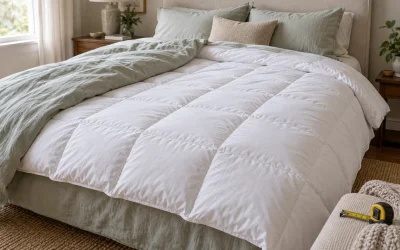
- Fill resilience over raw softness: Overfilled down-alternative fiber springs back between position changes. Look for baffle-box or diamond quilting, which locks fill in place instead of letting it migrate toward the mattress edges.
- A cover fabric that moves heat: Cotton percale and viscose derived from bamboo both wick moisture and dump warmth far better than polyester jersey or dense foam, which trap the humid microclimate side sleepers generate at the shoulder.
- Pocket depth and anchoring: Measure your mattress with any protector already on it. Deep-pocket skirts in the 18–21 inch range, backed by full-perimeter elastic, prevent the corner-pop that plagues plush pads.
- Realistic upkeep: Machine-washable construction matters more than it sounds. Fill needs periodic tumbling to redistribute, and a pad you can’t launder becomes a hygiene problem within a year.
What's inside
Side sleeping is the position most adults drift into, and it’s also the position that asks the most of whatever you’re lying on. Roll onto your side and nearly your full body weight funnels through two small landing zones: the point of the shoulder and the bony prominence of the hip. When the surface below refuses to yield there, circulation dips, soft tissue compresses, and the brain fires off a brief arousal that prompts you to shift. Most people never consciously register these interruptions — they just wake with a dead arm, an aching hip, and the sense that eight hours in bed delivered about five hours of genuine rest.
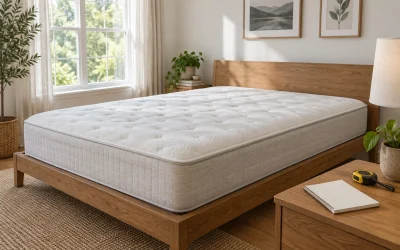
Replacing the mattress is one fix. A well-constructed pillow-top pad is the cheaper and, for a lot of side sleepers, the more sensible one, because it adds a compressible comfort layer without dismantling the support core that keeps your spine level. This guide covers the specifications that actually change how a pad performs under lateral load, then walks through the models currently earning their place in 2026.
As an Amazon Associate we earn from qualifying purchases.


🛒 Best Price Today on Amazon
Prime members get fast, free shipping on everything above, plus member-only deals. New members get a 30-day free trial — cancel anytime.
How to Choose a Mattress Pad for Side Sleepers (2026)
- Loft with something behind it: Two to four inches of fill is the working range. Thinner pads compress to nothing under a shoulder; thicker ones only help if the fill is dense enough to resist bottoming out.
- Fill resilience over raw softness: Overfilled down-alternative fiber springs back between position changes. Look for baffle-box or diamond quilting, which locks fill in place instead of letting it migrate toward the mattress edges.
- A cover fabric that moves heat: Cotton percale and viscose derived from bamboo both wick moisture and dump warmth far better than polyester jersey or dense foam, which trap the humid microclimate side sleepers generate at the shoulder.
- Pocket depth and anchoring: Measure your mattress with any protector already on it. Deep-pocket skirts in the 18–21 inch range, backed by full-perimeter elastic, prevent the corner-pop that plagues plush pads.
- Realistic upkeep: Machine-washable construction matters more than it sounds. Fill needs periodic tumbling to redistribute, and a pad you can’t launder becomes a hygiene problem within a year.
The Best Mattress Pads For Side Sleepers (2026) Reviewed
Niagara Sleep Solution Bamboo Cooling Topper
The rayon-from-bamboo face has a cool, smooth hand that pairs nicely with a medium pillow-top loft, letting the shoulder settle in without the clammy sensation denser toppers produce. Its 20-inch skirt clears a mattress plus protector easily, and it’s one of the few genuinely plush options that comes properly sized for a Full.
BEDLORE Viscose Bamboo Pillow Top Topper
BEDLORE builds thicker than most competitors at this price, which is precisely what side sleepers with a pronounced hip-to-waist curve need to keep the lumbar spine from dropping. Stretchable pockets fit anything from 6 to 18 inches, so it works equally well over a slim guest mattress or a tall hybrid.
Niagara Sleep Solution 100% Cotton Top Cooling Topper
If you sleep hot but dislike the slick finish of viscose, this is the better pick — a matte, breathable cotton face over cloud-soft fill that stays quiet and dry through the night. The 20-inch pocket and reinforced skirt keep it flat, which is where thinner cotton pads usually fail.
SameBed Overfilled Mattress Topper
The overfilled down-alternative construction gives this pad the most substantial cushion of the group, making it the strongest candidate for heavier side sleepers or anyone bridging a mattress that’s begun to develop a shoulder-level dip. Its 8–21 inch pocket range is the most forgiving here.
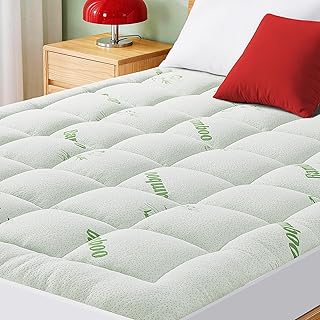
Viscose Bamboo Cooling Pillow Top Pad (Green)
A moderate-loft option for sleepers whose mattress is already close to right and just needs a softer landing at the shoulder. The bamboo-derived viscose surface handles heat well, and the 8–20 inch pocket suits most standard builds.
Frequently Asked Questions
How thick should a mattress pad be for side sleeping?
Two to three inches suits most people on a mattress that’s already medium or medium-soft. Go toward three or four inches if your mattress is firm, if you carry more weight, or if you consistently wake with shoulder soreness.
Can a plush pad make an overly soft mattress worse?
Yes. Cushioning stacks, support doesn’t. If your hips already sink below shoulder level, adding loft deepens the sag — address the support layer first, then add a pad.
Do bamboo-derived viscose covers genuinely sleep cooler?
They move moisture off the skin faster than standard polyester, and evaporative cooling is what most sleepers perceive as “cool.” The effect is modest but real, particularly for people who sweat at the shoulder and neck.
How long should one of these last?
Expect two to four years of nightly use before the fill compresses permanently. Rotating the pad end-to-end each month and tumbling it on low after washing meaningfully extends that window.
Final Thoughts
For most side sleepers, the BEDLORE viscose bamboo topper hits the best balance of loft, breathability, and fit flexibility. Heavier sleepers or those coping with a softening mattress should look at the SameBed overfilled pad, while anyone who prefers a crisp, natural-fiber surface will be happiest with the Niagara 100% cotton top.