Key takeaways
- Balm or true dye: Pigmented balms sit on the surface and are ideal for evenly faded, sun-bleached upholstery. Penetrating dyes such as Angelus soak into the fiber and suit deep color changes or bare, sanded patches — but they are far less forgiving of a wobbly hand.
- Flexibility over coverage: Sofa leather stretches every time someone lies down on it. A finish that dries hard will craze along the seat crease within months, so favor products explicitly formulated to stay pliable rather than the ones boasting the heaviest single-coat opacity.
- Color matching in daylight: Leather reads warmer under lamps than it does at a window. Test your shade on a hidden panel — the back of a skirt or under a cushion — and judge it in natural light before committing to the arm you actually see.
- Breathability and skin contact: Anything you nap against should not feel plasticky or trap heat. Thin, well-buffed coats keep the leather’s temperature-regulating behavior intact; thick, glossy build-up does the opposite and will feel clammy on bare arms.
- Low odor and full cure time: Solvent smell in a room you relax in is a real disruptor. Check whether the product is water-based, and plan on 24 to 72 hours of ventilated curing before the sofa goes back into nightly use.
What's inside
The sofa is where most of us actually rest. Not the eight hours in bed — the twenty-minute Sunday nap, the after-dinner sprawl with a book, the slow wind-down hour that determines how quickly sleep arrives later. As someone who spends most of my working life on sleep environments, I’ve come to treat the living room couch as part of the sleep system rather than a piece of decoration. Which is why a faded, cracked, chalky-looking leather sofa is more than a cosmetic problem: worn leather grows rough, sheds pigment onto clothing, and stops feeling like somewhere you want to lie down. Owners then buy a replacement they didn’t need, or throw a blanket over the whole thing and quietly stop using it.
Recoloring is the cheaper and far better answer, but the product category is genuinely confusing. Balms, dyes, pigmented finishes and “repair kits” all promise the same result and behave completely differently on the same cushion. This guide sorts them out: what each type does to the hand-feel and breathability of the leather, how to match a color without guessing, and which specific products hold up on high-contact seating that gets slept on rather than just sat on. Below are the options I recommend most often, followed by a buying framework and answers to the questions I get asked repeatedly.
As an Amazon Associate we earn from qualifying purchases.


How to Choose a Leather Sofa Dye (2026)
- Balm or true dye: Pigmented balms sit on the surface and are ideal for evenly faded, sun-bleached upholstery. Penetrating dyes such as Angelus soak into the fiber and suit deep color changes or bare, sanded patches — but they are far less forgiving of a wobbly hand.
- Flexibility over coverage: Sofa leather stretches every time someone lies down on it. A finish that dries hard will craze along the seat crease within months, so favor products explicitly formulated to stay pliable rather than the ones boasting the heaviest single-coat opacity.
- Color matching in daylight: Leather reads warmer under lamps than it does at a window. Test your shade on a hidden panel — the back of a skirt or under a cushion — and judge it in natural light before committing to the arm you actually see.
- Breathability and skin contact: Anything you nap against should not feel plasticky or trap heat. Thin, well-buffed coats keep the leather’s temperature-regulating behavior intact; thick, glossy build-up does the opposite and will feel clammy on bare arms.
- Low odor and full cure time: Solvent smell in a room you relax in is a real disruptor. Check whether the product is water-based, and plan on 24 to 72 hours of ventilated curing before the sofa goes back into nightly use.
The Best Leather Sofa Dyes of 2026, Reviewed
Leather Recoloring Balm & Color Restorer Conditioner
The most forgiving entry point in the category: it conditions as it pigments, so a tired sofa regains suppleness and color in the same pass. Best for uniform fading and light scratching rather than bare, worn-through spots.
Furniture Clinic Medium Brown Leather Dye
This is the choice when you want a genuine refinish rather than a cover-up — coverage is dense, the mid-brown is a convincing match for most factory sofas, and it wears like a proper finish on daily-use seating. Expect to work in thin coats and allow a full cure.
Angelus Leather Dye, Jet Black
The professional standard for penetrating dye, and unbeatable if you’re going properly black or recoloring leather stripped back to raw fiber. The included dauber is fine for arms and piping, though I’d decant and sponge it for full cushion panels.
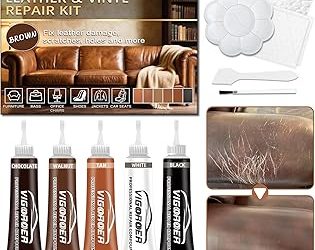
Dark Brown Leather Repair Kit & Recoloring Balm
A sensible all-in-one for sofas with actual damage rather than just fade — you get filler-and-color capability in one purchase, which saves guessing at compatibility between brands. Ideal for cracked bolsters and clawed corners.
Beige Leather Recoloring Balm and Repair Kit
Light leathers are the hardest to rescue because every mark shows, and this beige balm is the most reliable pale-shade option I’ve used. Build it slowly; two whisper-thin coats look far more natural than one heavy one.
Frequently Asked Questions
Will dyed leather rub off onto clothes or bedding?
Not once it’s fully cured and buffed. Transfer almost always means too much product applied at once or the sofa being used before curing finished — give it a full 48 hours in a ventilated room.
Do I need to clean the sofa first?
Yes, and this is the step people skip. Body oils and old conditioner block adhesion; degrease with a dedicated leather prep, let it dry completely, then dye.
Can I make a dark sofa lighter?
Only with a heavily pigmented balm, and results are inconsistent. Going darker or matching the existing tone is dramatically more reliable.
Is the smell an issue in a room used for relaxing?
Water-based balms are close to odorless. Solvent-based dyes need open windows and ideally a day before you return to the room.
Final Thoughts
For most faded sofas, start with the Leather Recoloring Balm — it restores color and softness with minimal risk. Choose Furniture Clinic Medium Brown when you want a durable, true refinish, and Angelus Jet Black when the leather is bare and you need real penetration. Any of the three will get a tired couch back to being somewhere you genuinely want to rest.