Key takeaways
- Recline angle, not recline count: For genuine rest, you want a seat back that opens past roughly 135 degrees with the legs elevated near heart level. Shallow recliners that stop at a lounging angle are fine for watching television but leave the lower back working the whole time.
- Independent headrest adjustment: The single biggest cause of post-nap neck pain is a fixed headrest that pushes the chin toward the chest. Power headrests that tilt separately from the backrest let you keep the airway open — which also reduces snoring during unplanned sofa sleep.
- Thermal behavior of the leather: Top-grain leather is porous and sheds body heat reasonably well; bonded and faux surfaces hold warmth longer, which matters if you run hot or live somewhere humid. A breathable throw solves most of this, but factor it in.
- Mechanism noise and effort: Manual levers are reliable and inexpensive, though the pull can jolt a drowsy person awake. Power motors are smoother and better for anyone with shoulder, wrist, or mobility limitations — check that the motor hum is described as quiet.
- Wall clearance and seat depth: Wall-hugger designs recline within a few inches of the wall, which is what makes full extension possible in a normal-sized living room. Also sit-test depth: a seat too deep leaves shorter users’ legs dangling without support.
What's inside
Most people shopping for a reclining sofa think they’re buying furniture. What they’re actually buying is a second sleep surface — and as someone who spends their working life studying how bodies rest, I can tell you that the couch does far more restorative work in the average household than anyone admits. The afternoon doze, the 9 p.m. fade-out during a show, the night on the sofa because a partner is congested: these are real sleep episodes, and the wrong recliner turns them into stiff necks, numb arms, and that groggy, unrefreshed feeling that follows sleeping in a badly angled chair. The trouble is that most product listings talk about upholstery and cupholders while saying nothing about the two things that determine whether you’ll actually rest well — the recline geometry and the way the surface handles body heat.
This guide approaches leather reclining sofas through that lens. Below you’ll find the models I’d point a client toward, evaluated for the angle they hold at full extension, how well the headrest supports a relaxed cervical spine, whether the leather breathes or traps warmth against the skin, and how quietly the mechanism operates when someone is already half asleep on it. Genuine leather, top-grain, and quality faux options are all represented, because the right choice depends on your room, your climate, and your budget — not on a single material being universally superior.
As an Amazon Associate we earn from qualifying purchases.


🛒 Best Price Today on Amazon
Prime members get fast, free shipping on everything above, plus member-only deals. New members get a 30-day free trial — cancel anytime.
How to Choose a Leather Reclining Sofa (2026)
- Recline angle, not recline count: For genuine rest, you want a seat back that opens past roughly 135 degrees with the legs elevated near heart level. Shallow recliners that stop at a lounging angle are fine for watching television but leave the lower back working the whole time.
- Independent headrest adjustment: The single biggest cause of post-nap neck pain is a fixed headrest that pushes the chin toward the chest. Power headrests that tilt separately from the backrest let you keep the airway open — which also reduces snoring during unplanned sofa sleep.
- Thermal behavior of the leather: Top-grain leather is porous and sheds body heat reasonably well; bonded and faux surfaces hold warmth longer, which matters if you run hot or live somewhere humid. A breathable throw solves most of this, but factor it in.
- Mechanism noise and effort: Manual levers are reliable and inexpensive, though the pull can jolt a drowsy person awake. Power motors are smoother and better for anyone with shoulder, wrist, or mobility limitations — check that the motor hum is described as quiet.
- Wall clearance and seat depth: Wall-hugger designs recline within a few inches of the wall, which is what makes full extension possible in a normal-sized living room. Also sit-test depth: a seat too deep leaves shorter users’ legs dangling without support.
The Best Leather Reclining Sofas Reviewed (2026)
Watson & Whitely Genuine Leather Wall Hugger Power Reclining Sofa
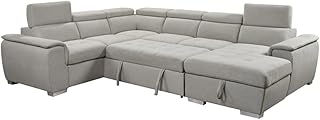
This is the one I’d recommend to someone who genuinely falls asleep on the couch several nights a month — the adjustable power headrests let you dial in neutral neck alignment instead of accepting whatever angle the frame dictates. The wall-hugger mechanism means you get a deep, near-flat recline without pulling the sofa into the middle of the room, and the USB and Type-C ports keep a phone charging within arm’s reach.
THSUPER Power Top Grain Leather Reclining Sofa and Loveseat Set
The high ergonomic backrest here is the standout feature: it supports the upper thoracic spine and head as a continuous line, which is exactly what you want for extended reclining. Real top-grain leather also breathes better than most alternatives at this price, so the surface stays cooler across a long evening.
Genuine Leather Manual Reclining Sofa with Overstuffed Armrests
A straightforward, durable choice for buyers who want real leather without motors to eventually service. The generous armrests do meaningful work as side support when you drift off on your side, cradling the shoulder rather than letting it collapse forward.
Faux Leather Manual Reclining Sofa, 3 Seat (Dark Brown)
The value pick, and a sensible one for guest rooms, basements, or offices where the sofa handles occasional rather than nightly rest. Expect a firmer feel and a warmer surface than genuine leather — pair it with a breathable cotton or linen throw and it performs well above its price.
Faux Leather Reclining Sofa with Concealed Cup Holders (Black)
Practical without looking gadgety, since the cup holders tuck away when unused — useful for keeping water within reach, which matters more than people think for overnight comfort. The manual mechanism is uncomplicated and the black finish hides wear in high-traffic households.
Frequently Asked Questions
Is sleeping on a reclining sofa actually bad for you?
Occasional nights are unlikely to cause harm, and a well-angled recliner can be genuinely comfortable — some people with reflux or sinus congestion rest better semi-upright. The risk comes from poor positions held for hours: a chin-to-chest headrest, an unsupported twisted torso, or legs dangling below the seat.
Manual or power recliner — which is better for rest?
Power, in most cases. Fine positional adjustments are what let you find a genuinely supported angle, and making those adjustments without sitting up and yanking a lever preserves the drowsy state you’re trying to keep.
Does genuine leather sleep cooler than faux?
Generally yes. Top-grain leather is naturally porous and dissipates body heat more readily, while faux and bonded surfaces tend to hold warmth and can feel clammy after an hour or two of contact.
How much wall clearance do I need?
Conventional reclining sofas want eight to twelve inches behind them. Wall-hugger models like the Watson & Whitely need only a few inches, which is often the difference between reclining fully and reclining halfway.
Final Thoughts
If restorative comfort is the priority, the Watson & Whitely wall hugger is my top recommendation — adjustable headrests plus a genuine full recline in a tight footprint is a rare combination. The THSUPER top-grain set is the better call for larger rooms and anyone sensitive to heat, thanks to its breathable leather and high supportive backrest, while the dark brown faux leather three-seater remains the smart budget option for spaces where the sofa sees lighter duty.