Key takeaways
- Finish compatibility: Most modern sofas use pigmented or “finished” leather with a protective topcoat. Products labelled for finished leather sit on that coat and keep it flexible. Aniline, nubuck, and suede need specialist care — check your manufacturer’s tag before anything else.
- Oil-based versus emulsion: Oil-based conditioners penetrate deeper and last longer between applications, making them the better choice for hard-worn seat cushions. Water-based emulsions absorb faster and suit lighter maintenance on vertical panels and backs.
- Residue and odour: If you nap on the sofa, you’re breathing whatever you apply for days afterward. Favour low-VOC, non-toxic formulas with minimal fragrance, and always ventilate the room for a few hours after treatment.
- Clean-then-condition sequencing: Conditioning over accumulated body oils and dust seals the dirt in. Either buy a two-step kit or plan on a separate pH-balanced cleaner first — this single habit does more for longevity than any brand choice.
- UV protection: Sunlight is the quiet killer of light-coloured sofas. If yours sits near a window, choose a formula with stated UV inhibitors to slow fading and surface embrittlement.
What's inside
Anyone who studies rest for a living learns quickly that sleep does not begin and end at the bedroom door. The afternoon nap on the sectional, the Sunday sprawl with a paperback, the twenty minutes of horizontal quiet before dinner — these are real recovery, and the surface underneath them matters more than most people assume. Leather is one of the best materials we have for this kind of rest: it breathes, it stabilizes to body temperature instead of trapping heat, and it doesn’t hold the dust and dander that keep sinuses busy at 3 a.m. But leather only behaves that way while it’s still supple. Once the natural oils dry out, the hide stiffens, the surface goes tacky in summer and cold in winter, and the cracking begins along exactly the seat and armrest zones where you rest your head.
The fix is unglamorous and cheap: a proper conditioner, applied two to four times a year. The difficulty is that the category is crowded with silicone-heavy sprays that look impressive for a fortnight and then leave a film that pills, shines unevenly, and attracts more grime than it repels. This guide covers the conditioners I’ve found genuinely worth keeping in a household cabinet, what separates a nourishing formula from a cosmetic one, and how to apply them without ending up with a slick, faintly sticky couch you’d rather not lie on.
As an Amazon Associate we earn from qualifying purchases.




How to Choose a Leather Conditioner For Sofa (2026)
- Finish compatibility: Most modern sofas use pigmented or “finished” leather with a protective topcoat. Products labelled for finished leather sit on that coat and keep it flexible. Aniline, nubuck, and suede need specialist care — check your manufacturer’s tag before anything else.
- Oil-based versus emulsion: Oil-based conditioners penetrate deeper and last longer between applications, making them the better choice for hard-worn seat cushions. Water-based emulsions absorb faster and suit lighter maintenance on vertical panels and backs.
- Residue and odour: If you nap on the sofa, you’re breathing whatever you apply for days afterward. Favour low-VOC, non-toxic formulas with minimal fragrance, and always ventilate the room for a few hours after treatment.
- Clean-then-condition sequencing: Conditioning over accumulated body oils and dust seals the dirt in. Either buy a two-step kit or plan on a separate pH-balanced cleaner first — this single habit does more for longevity than any brand choice.
- UV protection: Sunlight is the quiet killer of light-coloured sofas. If yours sits near a window, choose a formula with stated UV inhibitors to slow fading and surface embrittlement.
The Best Leather Conditioner For Sofa (2026)s Reviewed
Leather Honey Leather Conditioner
The benchmark oil-based treatment, and the one I recommend to anyone with a genuinely dry, stiffening sofa. It soaks in rather than sitting on top, leaves no gloss or tack once buffed, and a single 8 oz bottle typically covers a three-seater several times over. Safe on white and cream leather, which is rarer than it should be.
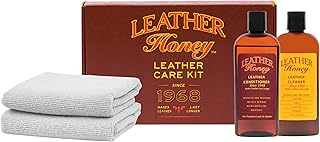
Leather Honey Complete Leather Care Kit
The same conditioner paired with the brand’s cleaner and application cloths, which removes the guesswork from step one. If you’re starting from a sofa that hasn’t been touched in years, this is the sensible entry point — clean thoroughly, let it dry fully, then condition.
Weiman Leather Cleaner & Conditioner (12 Fl Oz)
A convenient one-bottle option with UV protection built in, well suited to routine upkeep on finished leather. It won’t rescue a badly desiccated hide the way a dedicated oil will, but for quarterly maintenance on a healthy sofa it’s fast, clean, and forgiving.
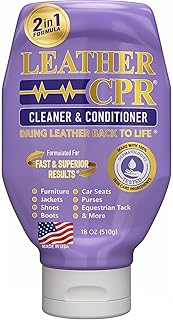
Leather CPR Cleaner and Conditioner
An effective all-in-one that restores a soft, natural sheen without the plasticky look some competitors produce. Particularly good on mixed households where the same bottle needs to handle a sofa, a car interior, and a pile of boots.
Chemical Guys Leather Cleaner & Conditioner Kit
A pH-balanced two-step system with the deepest cleaning power in this group, ideal for pale sofas that show every hand mark. Work in small sections and wipe residue promptly; the cleaner is strong enough that leaving it to dwell isn’t advisable.
Frequently Asked Questions
How often should I condition a sofa I nap on daily?
Every three to four months for heavily used seats, twice a year for lighter use. Body oils and friction strip protective finish faster than most owners expect.
Will conditioner make the leather feel greasy against my skin?
Not if you apply thin coats and buff off the excess after the recommended dwell time. Greasiness almost always means over-application rather than a faulty product.
Can conditioner repair existing cracks?
It can soften fine surface crazing and prevent progression, but structural cracks through the finish require a repair compound or professional attention.
Is it safe to use on faux leather?
Oil-based conditioners offer little benefit to polyurethane upholstery and can leave residue. Use a mild cleaner and a PU-specific protectant instead.
Final Thoughts
For a dry, tired sofa that’s overdue attention, Leather Honey Conditioner remains the most reliable restorative in the category — and the Leather Honey Complete Care Kit is the better buy if you don’t already own a suitable cleaner. For ongoing quarterly upkeep with sun protection built in, Weiman Leather Cleaner & Conditioner is the low-effort choice. Treat it as part of your rest routine rather than a chore, and the surface you fall asleep on will stay soft, cool, and crack-free for decades.