Key takeaways
- Prioritize seat depth: Anything shallower than about 21 inches forces your knees to hang and your lower back to round when you recline. A 22–26 inch deep seat lets an average adult stretch out sideways with the lumbar curve supported, which is the difference between a restorative nap and waking up stiff.
- Look for layered cushions, not one slab of foam: Pocket springs beneath a softer top layer respond independently as you shift, so you aren’t rolling into a compressed trough. Single-density budget foam feels fine in week one and develops a body-shaped dent by month six.
- Match fabric to your room’s temperature: Chenille and corduroy have enough surface texture to move air and stay neutral against skin. Teddy and sherpa weaves insulate beautifully in a cold apartment but will feel stifling if you nap in a warm south-facing room.
- Measure the real sleep length: A “convertible” label means little on its own. Check the flat dimension once the ottoman is repositioned or the back folds down, and confirm the join between sections sits flush — a ridge under the hips is the single most common cause of interrupted sofa sleep.
- Demand a quiet, solid frame: Solid wood rails and bolt-together joinery stay silent; stapled particleboard develops a creak that wakes light sleepers. Raised legs also allow airflow underneath, which reduces trapped moisture and dust accumulation.
What's inside
Most people shop for an affordable sofa the way they shop for a rug: color first, measurements second, price third. Then, within a month, that sofa quietly becomes the most-used rest surface in the home — the Sunday afternoon nap, the 9 p.m. wind-down that stretches to 11, the visiting cousin who needs somewhere to sleep. A cushion that collapses by hour three or a fabric that traps body heat will fragment rest in ways people usually blame on caffeine, screens, or stress.
I assess seating the same way I assess mattresses: does it hold the spine near neutral, does it shed heat, and does it stay quiet and stable when a body shifts position? Below are six inexpensive sofas that hold up to that scrutiny in 2026, along with the specifications worth verifying before you order — seat depth, cushion layering, fabric breathability, and whether the piece can genuinely serve as an occasional bed rather than just claiming to.
As an Amazon Associate we earn from qualifying purchases.


How to Choose an Inexpensive Sofa (2026)
- Prioritize seat depth: Anything shallower than about 21 inches forces your knees to hang and your lower back to round when you recline. A 22–26 inch deep seat lets an average adult stretch out sideways with the lumbar curve supported, which is the difference between a restorative nap and waking up stiff.
- Look for layered cushions, not one slab of foam: Pocket springs beneath a softer top layer respond independently as you shift, so you aren’t rolling into a compressed trough. Single-density budget foam feels fine in week one and develops a body-shaped dent by month six.
- Match fabric to your room’s temperature: Chenille and corduroy have enough surface texture to move air and stay neutral against skin. Teddy and sherpa weaves insulate beautifully in a cold apartment but will feel stifling if you nap in a warm south-facing room.
- Measure the real sleep length: A “convertible” label means little on its own. Check the flat dimension once the ottoman is repositioned or the back folds down, and confirm the join between sections sits flush — a ridge under the hips is the single most common cause of interrupted sofa sleep.
- Demand a quiet, solid frame: Solid wood rails and bolt-together joinery stay silent; stapled particleboard develops a creak that wakes light sleepers. Raised legs also allow airflow underneath, which reduces trapped moisture and dust accumulation.
The Best Inexpensive Sofas (2026) Reviewed
Ihanherry 89″ Chenille 2-Seater
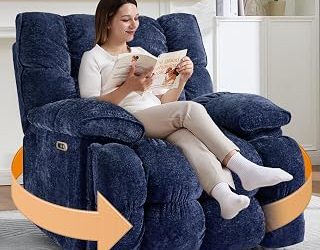
At 89 inches with an unusually generous seat width and depth, this is effectively a daybed disguised as a loveseat — most adults can lie fully extended without bracing against an armrest. The removable medium-firm cushion is the smart choice for rest, and the integrated USB/Type-C port means you can charge a phone across the room instead of beside your head.
KYJ 69″ Cloud Loveseat
The three-layer cushion construction does real work here, giving a plush entry feel over a firmer support core so you don’t bottom out during a long recline. Its 69-inch footprint suits studios and narrow living rooms, and the washable pillow cover is a genuine hygiene advantage for anyone who naps daily.
80″ Convertible Sectional with Movable Ottoman
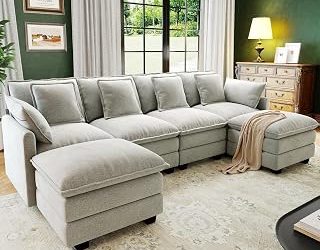
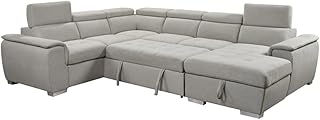
The repositionable ottoman is the standout feature: slide it into the chaise position and you gain a continuous horizontal surface long enough for a full sleep cycle. The L-shaped layout also lets two people stretch out at opposite ends, which is rare at this footprint and price.
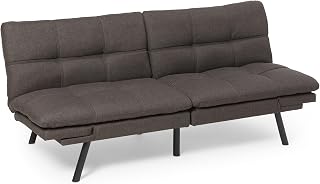
79″ Corduroy Convertible Sofa Bed
This boneless, modular design has no rigid internal frame to press against, so the transition to a flat sleeping surface is seamless — no bar under the shoulder blades, no ridge at the hips. Corduroy breathes better than most budget upholstery, and the no-assembly setup means it’s usable the day it arrives.
Welzona 83″ Teddy Sofa
The 7.5-inch spring seat cushion is the reason to consider this one: springs recover their shape far better than foam alone across months of nightly lounging. The teddy fabric runs warm, making it an excellent pick for cooler rooms and a poor one for anyone who overheats.
Frequently Asked Questions
Can I sleep on an inexpensive sofa every night?
Occasional use is fine, but nightly sleep on any sofa — regardless of price — tends to compress into a fixed position and limits the natural turning that occurs across a sleep cycle. Treat these as guest and nap solutions, not mattress replacements.
How firm should a sofa be for napping?
Medium-firm is the reliable target. Too soft and your hips sink below your shoulders, twisting the lumbar spine; too firm and pressure builds at the shoulder and hip within twenty minutes.
Do removable, washable covers actually matter?
Yes — sofas accumulate skin cells and dust mite allergens much like bedding does, and a surface you can strip and launder monthly keeps that load down. For allergy-prone sleepers, this feature outranks nearly every aesthetic consideration.
How long should a budget sofa last?
With a solid wood frame and spring-based cushions, expect five to seven years of regular use. Replace it once the seat no longer rebounds after you stand up, since permanent compression means you’ve lost the support layer entirely.
Final Thoughts
For most homes, the Ihanherry 89″ Chenille 2-Seater delivers the best rest-per-dollar thanks to its exceptional depth and neutral-firmness cushion. If overnight guests are the priority, the 79″ Corduroy Convertible Sofa Bed offers the flattest, most seamless sleep surface here, while the 80″ Convertible Sectional is the smartest pick for small spaces that need to serve two people comfortably.